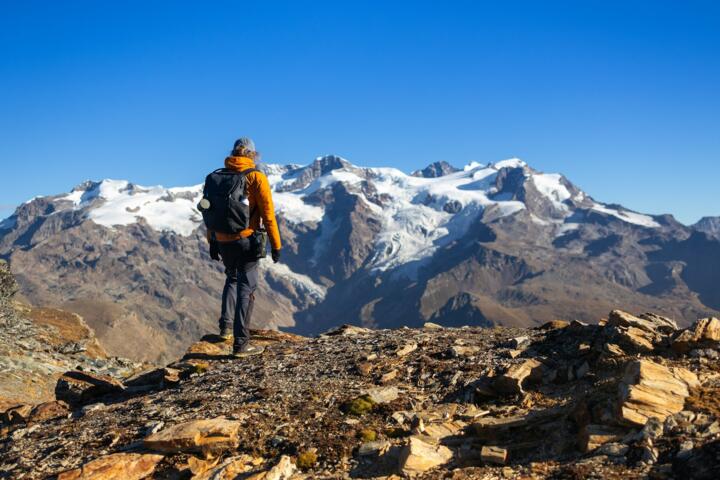
Extreme Travel Overview
Extreme travel insurance is specialized coverage tailored for high-risk activities beyond typical tourism. Unlike regular travel insurance, it includes protections for adventure sports, remote rescue, and emergency medical evacuations. For example, an individual planning a Nepalese Himalaya trek involving altitude above 4,000 meters would require insurance covering altitude sickness and helicopter evacuation, services not found in standard plans.
According to the US Travel Insurance Association, only 15% of travelers purchase policies covering high-risk activities, despite a 23% increase in adventure tourism globally since 2017. This shows a significant gap in travelers' understanding of appropriate insurance for extreme activities.
Dangerous Activity Risks
Overlooking Activity-Specific Coverage
Many travelers assume their regular policies cover extreme sports. However, exclusions for activities like rock climbing, skydiving, or white-water rafting are common. Ignoring these limitations can leave adventurers financially exposed to accidents.
Ignoring Evacuation and Medical Limitations
Standard insurance often caps emergency evacuation coverage at $50,000, insufficient for mountain rescues or long-distance medical evacuations, which can exceed $100,000. Without proper limits, the traveler or their family bears the costs.
Underestimating Remote Location Risks
Policies may exclude coverage in politically unstable regions or remote areas without medical facilities. For example, trekking in parts of Kashmir or deep Amazon jungle areas often requires policies explicitly allowing coverage there.
Insurance Solutions
Identify All Planned Activities
Before purchase, list every extreme activity planned. Share this list with insurers to verify coverage. Insurers like World Nomads excel at offering tailored policies for multiple adventure sports. Their Nomads Explorer plan includes skydiving, scuba diving to 40m depth, and mountaineering up to 6,000m altitude.
Prioritize High Evacuation Limits
Choose policies with at least $100,000 for emergency evacuation. Companies like IMG Global provide plans with customizable evacuation limits. Given that helicopter rescues in the Alps can cost $20,000-$50,000, and medical flights from remote Himalayas often surpass $100,000, this coverage is critical.
Check for 24/7 International Assistance
Insurance should come with worldwide emergency support accessible around the clock. Allianz Travel is renowned for multilingual assistance coordinating complex rescues and medical care globally.
Review Exclusions for Risky Destinations
If traveling to conflict zones or restricted regions, choose insurers that explicitly cover those areas. For instance, AXA Assistance offers optional extensions for travel to certain high-risk destinations.
Consider Policy Extensions for Equipment and Trip Interruptions
Adventure gear such as climbing or diving equipment can be expensive. Extensions from insurers like Travelex Insurance cover lost or damaged equipment. Similarly, trip interruption coverage safeguards funds if activities are canceled due to weather or injury.
Case Studies
Case Study 1: Mountain Rescue in Patagonia
Company: A solo trekker used World Nomads for an extended Patagonia hike involving glacier walking.
Problem: Fell into a crevasse, requiring helicopter rescue.
Action: The policy’s $150,000 evacuation coverage and international assistance arranged prompt rescue within 4 hours.
Result: Covered $120,000 in medical and rescue expenses, saving the hiker from personal bankruptcy.
Case Study 2: Scuba Diving Incident in Belize
Company: A diving enthusiast opted for an IMG Global plan with underwater activity coverage.
Problem: Developed decompression sickness requiring hyperbaric chamber treatment.
Action: Immediate evacuation and medical treatment were authorized by the insurer.
Result: Total claim exceeded $30,000, fully reimbursed, enabling smooth recovery without financial strain.
Top Provider Comparison
| Provider | Key Features | Activities | Limits & Price |
|---|---|---|---|
| World Nomads | 200+ sports, 24/7 support | Climbing, diving, skydiving | $150k / $150-$400 |
| IMG Global | Custom limits, global net | Extreme sports, remote areas | $100k+ / Annual plans |
| Allianz Travel | Emergency coordination | Standard adventure sports | $100k / $120-$350 |
| AXA Assistance | High-risk destination cover | Conflict zones, sports | $100k / $180-$500 |
Common Insurance Errors
Skipping Policy Fine Print
Many miss hidden exclusions for specific sports or locations. Always carefully read the terms or consult insurer representatives to clarify.
Assuming Standard Policies Are Enough
Typical travel insurance rarely covers extreme activities. Opt for specialized plans to avoid claim denial.
Failing to Declare All Activities
Not disclosing all planned sports can invalidate claims. Be transparent to ensure valid coverage.
FAQ
What activities are typically excluded from standard travel insurance?
Standard policies often exclude high-risk sports such as rock climbing, scuba diving deeper than 30 meters, skydiving, and base jumping. Check your insurer’s list of excluded activities before traveling.
How much emergency evacuation coverage do I need for mountain expeditions?
At least $100,000 is recommended. Mountain rescues by helicopter or medical airlifts can easily exceed this amount, especially in remote regions like the Himalayas or Andes.
Can I add coverage for lost adventure equipment to my insurance?
Yes. Many insurers like Travelex offer extensions to cover loss, theft, or damage to expensive equipment such as climbing gear, wetsuits, or dive computers.
Is insurance valid in politically unstable travel destinations?
Some insurers exclude coverage in conflict zones. However, providers like AXA Assistance offer add-ons or specialized policies that include such regions, but confirm availability before purchase.
How do I ensure my extreme travel insurance policy is valid for activities at high altitude?
Declare all planned altitudes to your insurer. Some policies cap altitude coverage at 2,500 meters, so if trekking above 4,000 meters, opt for plans explicitly including high-altitude activities.
Author's Insight
Having personally embarked on multiple high-risk expeditions, I’ve seen firsthand how adequate insurance can save lives and finances. One crucial lesson is never to underestimate the cost of emergency evacuations—they often surpass initial trip expenses. I always advise travelers to list every extreme activity upfront and choose providers with robust global support networks. Policies from World Nomads or IMG Global are my go-to recommendations for their flexibility and comprehensive coverage. Lastly, don’t hesitate to invest a bit more in insurance—peace of mind in extreme travel is invaluable.
Summary
Extreme travel demands insurance that matches the risks of adventure sports and remote destinations. Identify all activities, prioritize policies with high evacuation limits, and verify coverage for your specific locales. Avoid common mistakes by reading policy details carefully and declaring all planned activities. Use trusted providers like World Nomads and IMG Global for proven, reliable protection. Proper insurance safeguards both your health and finances, allowing you to fully enjoy your thrilling journeys.