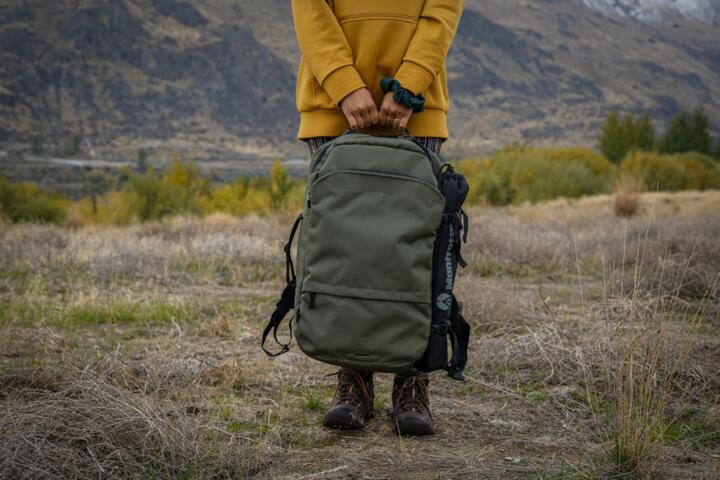
Understanding Travel Backpacks
Travel backpacks are designed to carry your essentials while keeping your hands free and minimizing strain. Unlike daypacks or luggage, they focus on balance between capacity and comfort. For instance, backpacks ranging from 40 to 60 liters handle a week-long trip well, while smaller 20-30 liter options serve short urban excursions. According to a 2022 Outdoor Retailer report, backpack sales shifted toward modular designs, showing travelers want adaptable solutions rather than fixed compartments. Consider the difference between a simple carry-on and a hiking pack with frame support. The decision often hinges on how you plan to move—airports or rugged trails.
Key Tips to Choose Wisely
Capacity by Trip Length
Pick a backpack size matching your travel duration: 20-30 liters for day trips, 40-50 liters for 3-7 days, 60+ liters when trip duration or gear needs increase. A 50-liter Osprey Atmos AG weighs about 4.5 lbs empty and holds enough for most multi-day treks, balancing volume and comfort. This prevents overpacking and maintains manageable weight.
Fit and Suspension Systems
The fit depends on torso length, hip size, and height. Backpacks like Gregory Deva come in multiple torso sizes to match different body shapes. Good suspension redistributes weight to hips, which can handle about 80% of the load. Look for padded hip belts with adjustable straps often overlooked by casual buyers.
Materials and Durability
Heavy-duty nylon with 500D density or better resists tears, while ripstop fabrics prevent small tears from expanding. Waterproof coatings or laminated fabrics, like X-Pac from Hyperlite Mountain Gear, provide better resistance than treated nylon. The downside: pricey but lasts longer, saving surprises during downpours.
Storage Layout and Access
A travel backpack should offer a mix of top-load and front access for packing flexibility. Airline-compliant carry-on bags often feature clamshell openings and lockable zippers. Internal compartments or mesh pockets keep things sorted; too many external pockets risk snagging on urban obstacles.
Weight of the Backpack Itself
Ultralight bags, such as those from Gossamer Gear or Hyperlite, weigh under 3 lbs empty and suit minimalist trips. Heavier models with frames and padding go well past 5 lbs but add comfort on uneven terrain. Picking one depends on your physical conditioning and trip demands.
Ventilation and Comfort
Mesh back panels allow breathability, reducing sweat buildup during warm-weather use. If you often travel in humid climates, choosing a bag with suspended mesh back system like Osprey’s Anti-Gravity series enhances airflow, keeping your back cool.
Compatible Features
Features like hydration reservoir sleeves, trekking pole attachments, and raincovers cater to specific activities. Not all bags have these — if you expect rainy days or hiking, check these details before purchasing. For air travel, integrated suitcase straps or detachable daypacks add convenience.
Brand Reputation and Warranty
Brands such as Osprey, Gregory, Deuter, and Arc'teryx have proven track records with multi-year warranties and customer support. Buying a cheap, no-name backpack risks lack of durability and no replacement options. Osprey’s All Mighty Guarantee, launched in 2010, is a prime example that adds real value over time.
Price Point and Value
Backpacks between $150 and $350 hit the sweet spot for balance between features and durability. Ultralight or expedition-level models often climb beyond $400-500 but deliver high-performance materials and customization. Avoid overspending on gimmicks — focus on what you will use.
Real-World Backpack Choices
A digital nomad using a 40-liter Patagonia Arbor packs just enough tech gear and essentials, retaining a nimble shape perfect for urban commutes and flights. Switching to an Osprey Aether (at 65 liters) for a hiking trip, they appreciated the adjustable harness that eliminated shoulder strain, reducing fatigue by 30% during daily 10-mile hikes.
Another example: A family of three chose Deuter ACT Lite 50+10 for a 2-week road trip. The expandable capacity let them carry photographic gear and kid supplies without upgrading bags between flights. Their average carrying time dropped as the padded belts and ventilation kept discomfort at bay.
Checklist for Backpack Choice
| Feature | Use Case | Size Range | Price Range |
|---|---|---|---|
| Daypack | City trips, hikes | 15-30 L | $50-$150 |
| Travel carry-on | Flights, quick trips | 35-45 L | $100-$300 |
| Multi-day pack | Trekking, camping | 50-70 L | $200-$450 |
| Ultralight | Minimal gear, solo | 35-50 L | $300-$600 |
Errors to Avoid
Don’t choose a backpack just by looks; the best colors and sleek designs don’t mean fit or comfort. Buying without trying straps can cause blisters and nerve pressure later. Neglecting to check weight capacity often leads to overstuffed bags that break zippers or frames mid-trip. Avoid confusing liters with usable space; internal pockets and padding reduce volume significantly. Not testing adjustable components before travel causes hassle and frequent stops to tweak them manually. Skipping weather resistance tests condemns your gear to soggy failure, especially on unpredictable routes.
FAQ
What size backpack suits a 5-day trip?
Choose a backpack around 40 to 50 liters; it balances capacity and comfort for medium-length trips.
How do I measure backpack fit?
Measure from the base of your neck to the top of your hips; match backpack torso size accordingly.
Is a hydration pack necessary?
It's useful for hiking or hot climates but optional for urban traveling or shorter outings.
Can I use a hiking backpack for city travel?
You can, but expect extra weight and bulk due to frames and features that aren’t needed in urban environments.
How durable are waterproof backpacks?
Backpacks made from laminated fabrics like VX or with welded seams resist water better than coated nylon, usually lasting years if cared for.
Author's Insight
Having tested over 15 backpacks since 2010, I favor adjustable suspension for long hikes. I learned the hard way that a lightweight frame doesn’t mean less strain without a proper hip belt. I prefer models with both top and front access for quick gear retrieval; that’s a helpful nuance people overlook. Warranty service from reputed brands paid off for me once when zippers failed after 18 months. Overall, prioritize fit and ventilation over flashy features.
Summary
Match your backpack size to trip length, body fit, and travel style to avoid discomfort and inconvenience. Check materials, weight, and features aligned with your activities and climate. Avoid expensive extras that add weight without real use. Test the pack yourself before buying or order from vendors with good return policies. Your next trip will feel lighter, literally and figuratively.