eSIMs And Cyber Coverage
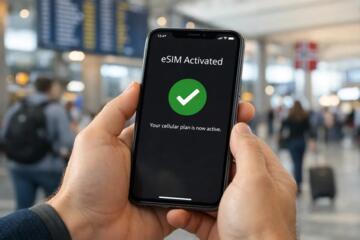
Cyber policies in 2026 usually do not mention eSIMs by name. Coverage language tends to describe the insured’s “computer systems,” “network,” “mobile devices,” or “electronic data,” then ties coverage to specific events like unauthorized access, malware, or data breach. An eSIM is still a SIM profile stored on a device, so the policy’s focus typically lands on the phone or tablet that holds the profile, not on the SIM format.
For travelers, the practical question becomes: does the policy treat your phone and its connectivity as part of your insured systems, and does it cover the types of losses that can follow travel-related account compromise. Examples include credential theft leading to unauthorized transactions, SIM-swap style fraud, or malware that spreads through links received while roaming. Policies also differ on whether they cover “social engineering” losses, which can matter when attackers target travelers with SMS or messaging.
Common Coverage Misreads
Many people assume that “mobile coverage” automatically includes everything related to cellular connectivity. In practice, cyber policies often exclude losses tied to telecom services, subscription disputes, or fraud that falls under crime insurance rather than cyber. Some policies also separate “cyber” from “identity theft,” and the boundary can shift by insurer and by endorsement.
Another frequent misread involves the phrase “computer systems.” An eSIM is not a computer system by itself; it is a provisioning mechanism for network access. If the policy defines covered systems narrowly, coverage may hinge on whether the phone is owned by the insured, managed under an organization’s mobile device management (MDM), or used for business purposes.
Supporting technologies matter because they change what the insurer can verify. If you use an MDM profile, device attestation, or managed app controls, you can show that the device had baseline security controls. If you rely on a personal phone with default settings, the insurer may argue that the incident resulted from weak authentication or delayed patching, which can affect claim outcomes.
People also miss how incident response requirements show up in policy conditions. Some policies require prompt notice “as soon as practicable,” and others require cooperation with forensic investigation. If you wait to report until after you replace the phone or switch carriers, you may lose logs that help establish the cause.
What To Check In 2026
Start by locating the policy sections that define covered property and covered events. Look for definitions of “computer system,” “network,” “electronic data,” “mobile device,” and “unauthorized access.” Then read the exclusions for fraud, telecommunications services, and identity theft. The goal is to map the incident you fear—account takeover, malware, or data exposure—to the policy’s event definitions.
Next, check endorsements and sublimits. Many cyber policies include sublimits for social engineering, business interruption, or regulatory costs. If your scenario involves a messaging-based scam while traveling, the policy may treat it as a crime event rather than a cyber event unless an endorsement covers it.
Finally, verify notice and cooperation clauses. Policies can require specific steps such as filing a police report, contacting payment processors, or preserving evidence. If you cannot meet those steps during travel, you can still prepare by saving device logs and keeping carrier and bank communications in one place.
Coverage Language To Search
Use the policy’s own terms. Search for “unauthorized access,” “social engineering,” “computer system,” “mobile device,” “electronic data,” and “data breach.” If the policy defines “computer system” to exclude personal devices or devices not owned by the insured, an eSIM profile on a personal phone may fall outside coverage.
Also search for “telecommunications” and “service provider.” Some policies exclude losses related to telecom service interruptions or disputes. That matters because travelers often conflate “cellular connectivity problems” with “cyber incidents.” A policy may cover the cyber incident but not the service disruption.
Controls That Affect Claims
Policies frequently ask about baseline controls. For travel scenarios, the most defensible controls usually involve authentication and device hygiene: strong passcodes, biometric unlock with a fallback passcode, multi-factor authentication (MFA) on email and financial accounts, and timely OS updates.
MDM and app management can strengthen your position when the phone is used for business. If your organization uses MDM, check whether it enforces screen lock, encryption, and remote wipe. If you travel with a managed phone, you can often show that the device complied with the organization’s security baseline.
Realistic outcome framing: controls do not guarantee coverage, but they reduce the insurer’s ability to argue that the incident resulted from preventable negligence. In underwriting, insurers commonly score answers about MFA adoption and patch cadence; in claims, they look for evidence that those controls were in place.
Incident Documentation While Traveling
When an incident occurs, document in a way that supports the policy’s event narrative. Capture timestamps for when you noticed suspicious messages, when you changed passwords, and when you contacted your bank or email provider. Preserve relevant artifacts such as screenshots of phishing SMS, message headers when available, and any malware alerts.
For eSIM-related fraud concerns, record carrier communications. If you suspect a SIM swap or unauthorized profile change, ask the carrier for the event timeline and keep the reference numbers. Even if the policy does not mention eSIM, the timeline helps connect the fraud to the unauthorized access event.
When eSIMs Matter Indirectly
eSIMs can matter indirectly through how attackers target phone-based authentication. Many services use SMS codes or phone number verification. If an attacker gains control of the phone number, they can reset passwords or enroll new MFA methods. That risk exists with physical SIMs too, but eSIM provisioning workflows can change how quickly a profile can be reinstalled.
Policies that cover “unauthorized access” may still respond to account takeover losses if the insurer treats the phone-number compromise as part of the unauthorized access chain. Policies that exclude “fraud” or “social engineering” may not respond even when the underlying mechanism involves cellular services.
Practical mitigation: shift critical accounts to authenticator-app MFA or hardware keys where supported, since those methods reduce reliance on the phone number. If you travel for work, check whether your organization’s identity provider supports phishing-resistant MFA and whether it is mandatory for remote access.
Educational Case Examples
Scenario 1 (personal phone, account takeover): A traveler uses a personal phone with an eSIM profile. While abroad, they receive SMS messages that mimic a bank alert and include a link. They enter credentials on a fake login page, then the attacker initiates password resets for email and banking. The traveler reports the incident to the insurer under a cyber policy that covers “unauthorized access to electronic data” and “fraudulent transfer losses,” but the policy has a sublimit for social engineering. The claim hinges on whether the policy treats the event as unauthorized access and whether the traveler met notice timing and evidence preservation requirements.
Scenario 2 (managed phone, malware and data exposure): An employee travels with a company-managed phone that uses an eSIM. The employee opens a malicious attachment in a work chat while roaming. The device management console flags suspicious behavior, and the organization isolates the device. The cyber policy covers incident response costs and data breach response expenses, but it excludes losses tied to “telecommunications service interruptions.” The insurer focuses on whether the organization’s MDM controls were active at the time and whether the incident involved unauthorized access to covered systems, not on the eSIM format.
Coverage Checklist For Travelers
| What You Check | Why It Matters For eSIM Scenarios | What To Look For In Wording | Evidence You Can Gather |
|---|---|---|---|
| Definitions | eSIMs usually aren’t named; the phone and accounts are | “computer system,” “mobile device,” “electronic data” | Policy definition text, device ownership notes |
| Covered Events | Account takeover and malware map to event categories | “unauthorized access,” “data breach,” “malware” | Timestamps, screenshots, incident reports |
| Exclusions | Fraud, telecom services, and identity theft may be limited | “fraud,” “telecommunications,” “identity theft” | Carrier and bank communications |
| Conditions | Late notice and missing cooperation can reduce payout | Notice timing, evidence preservation, cooperation | Reference numbers, log backups, device management logs |
Step-by-step checklist you can use before travel: (1) confirm MFA method for email and banking, (2) check whether your phone is managed or encrypted, (3) save policy definition and exclusion pages, (4) identify the insurer’s claims contact and required forms, and (5) set a plan for preserving evidence if you suspect account compromise. If you have a managed phone, check the MDM version and policy profile name shown in the device settings; it helps when you later need to prove what controls were active. I once saw a device report “MDM profile v1.8” on a trip in March 2026, and that tiny detail saved time during a documentation request.
Common Mistakes
One mistake is treating “eSIM coverage” as a yes-or-no feature. Most policies do not cover SIM technology as a standalone item, so the claim analysis focuses on the incident type and the insured’s systems. Another mistake is assuming that replacing a SIM profile resolves the cyber issue. If the attacker accessed accounts, the policy narrative still depends on unauthorized access and the resulting losses.
People also skip reading exclusions for fraud and identity theft. A policy can cover incident response costs but exclude certain financial losses tied to social engineering. That mismatch creates surprises when the traveler expects reimbursement for transferred funds.
Another practical error involves delayed reporting. If you wait until you return home, you may miss the insurer’s preferred forensic timeline. Some insurers ask for notice quickly after discovery, and they may request device logs while they still exist.
FAQ
Do Cyber Policies Mention eSIMs?
Most cyber policies describe covered devices and events rather than naming eSIMs. Coverage usually depends on whether the phone and accounts are within the policy’s definitions and whether the incident matches covered event categories.
Does an eSIM Change Coverage For SIM Swap Fraud?
Coverage depends on policy wording for unauthorized access, social engineering, and identity theft. eSIMs can affect how quickly a profile can be provisioned, but the insurer’s analysis typically follows the account takeover chain rather than the SIM format.
Will My Personal Phone Be Covered?
Some policies cover only owned or managed devices, while others cover broader categories of “mobile devices.” Check the definitions and any endorsements that limit coverage to business use or insured-owned equipment.
What Evidence Helps During a Travel Claim?
Collect timestamps, screenshots of suspicious messages, records of password resets, insurer-required forms, and carrier or bank reference numbers. If your device is managed, preserve MDM console logs and device security status at the time of the incident.
Are Incident Response Costs Covered If I Travel?
Many cyber policies cover incident response and forensic expenses when the event meets covered definitions. Conditions still apply, including prompt notice and cooperation, so confirm the insurer’s reporting steps before you leave.
Author's Insight
Cyber policies in 2026 rarely treat eSIMs as a separate coverage object. The coverage analysis usually follows the insured’s definitions of computer systems and the event categories tied to unauthorized access, malware, or data breach. For travelers, the practical risk is account compromise that uses phone-based verification, which can resemble SIM swap patterns even when the SIM technology differs.
Because policy language varies, the most reliable approach is to map your feared incident to the policy’s definitions and exclusions, then prepare evidence that matches those terms. If you have a managed device, device management logs often carry more weight than general statements about security settings.
When you read the policy, pay attention to notice timing and cooperation requirements; those conditions can matter as much as the covered-event language.
Key Takeaways
- eSIMs usually are not named in cyber policies; coverage depends on device and event definitions.
- Account takeover scenarios hinge on unauthorized access and any social engineering or identity theft exclusions.
- Evidence quality during travel (timestamps, screenshots, carrier/bank references, MDM logs) affects claim friction.
- Pre-travel checks should focus on MFA method, device management status, and the insurer’s reporting requirements.