Weather-Driven Trip Cancellations
Weather can cancel travel plans even when forecasts look “mostly fine.” Airlines, ferry operators, and road authorities make safety calls based on wind, visibility, precipitation intensity, and ground conditions, not just a single daily forecast.
Common failure points include runway conditions after heavy rain, lightning rules that pause departures, and sea-state limits that stop ferries. Road closures from flooding or landslides can trap travelers, while wildfire smoke can trigger school closures, event cancellations, and health advisories. If you’re traveling with a tight itinerary, one disruption often cascades into missed connections, hotel check-in deadlines, and rental-car pickup problems.
To plan better, separate “weather you can tolerate” from “weather that triggers operational shutdowns.” That distinction depends on local infrastructure and the operator’s safety thresholds, which rarely match what a weather app predicts.
Weather-Sensitive Destinations
Below are seven destination types where weather can cancel plans more often than travelers expect. These are not guarantees of disruption; they highlight higher exposure during certain seasons and activities.
1) Caribbean islands during hurricane season
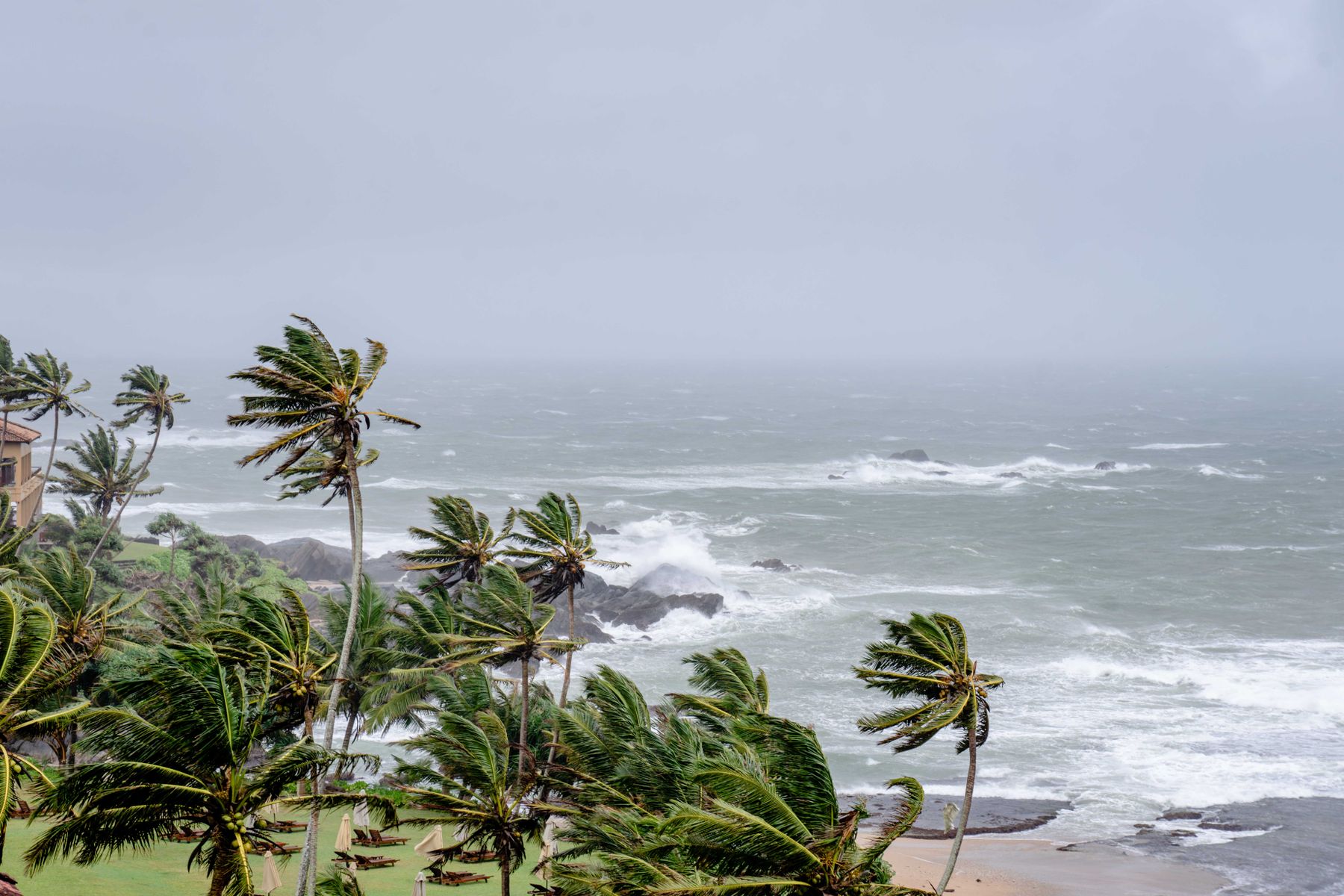
Hurricanes and tropical storms can cause airport closures, curfews, and ferry suspensions. Even when a storm passes offshore, strong winds and heavy rain can keep flights grounded for hours.
2) Coastal Japan during typhoon season
Typhoons can bring high winds and storm surges that disrupt rail services and domestic flights. Sea travel is especially sensitive to wave height and wind gusts.
3) Mediterranean regions in winter storms
Heavy rain and strong winds can close roads and delay flights, particularly in mountainous areas where flooding and landslides are possible. Coastal areas can also see rough seas that affect boat tours.
4) Iceland during winter weather
Iceland’s winter conditions can include low visibility, high winds, and icy roads. Even when temperatures are near freezing rather than extreme, driving conditions can force road closures and reduce flight reliability.
5) Nepal and the Himalayas during monsoon and shoulder seasons
Monsoon rains increase landslide risk and can disrupt trekking routes and domestic flights. Mountain weather changes quickly, and delays can compound when flights share limited aircraft and schedules.
6) Alaska during shoulder seasons
Alaska’s weather can shift rapidly, and remote airports can have limited diversion options. Fog, snow, and wind can reduce visibility and lead to delays or cancellations.
7) Wildfire-prone regions in late summer
In places where wildfires are common, smoke can trigger health advisories and event cancellations. Visibility issues can also affect flights, and road closures can block access to trailheads and scenic routes.
For each destination, the risk is seasonal. A trip in the “wrong” week can change everything, even if the month is usually reliable.
How To Reduce Weather Risk
Build a buffer around transport
Plan arrivals and departures with slack. If your itinerary depends on a single connection, add a day or choose a route with more than one carrier option. A practical target is 24 hours of buffer around the most weather-sensitive leg, such as a ferry crossing or a mountain transfer.
When you book, check the operator’s rebooking and cancellation terms. Some tickets allow changes with a fee, while others require a full cancellation. I’ve seen travelers lose time because they assumed “weather delay” automatically triggers rebooking rights; the policy depends on the ticket type and the airline’s rules.
Also watch for lightning and wind advisories, not just rain. Many aviation disruptions are tied to lightning risk and crosswind limits, which consumer forecasts may not highlight clearly.
Use forecasts that match the risk
Consumer weather apps can help, but they rarely show the operational metrics that matter for travel. For aviation-related trips, look for wind gust forecasts and visibility indicators. For sea travel, check wave-height or sea-state forecasts when available.
Try cross-checking at least two sources. On my own planning workflow, I often compare a general forecast with a more technical view (for example, Windy with a model layer, version noted as “vX” in the app build I used on 2026-02-14) to see whether wind gusts spike during your travel window.
Set alerts for the specific time you’ll be outside or on the road. A forecast that looks fine for the whole day can still produce a short window of high risk that hits your departure.
Choose flexible activities and routes
Replace “single-point” plans with options that can shift. If you’re visiting a coastal area, plan an indoor museum or market day as a fallback when tours pause. If you’re trekking, identify an alternate route that avoids the most landslide-prone segments.
For road trips, check whether the route is prone to closures after heavy rain. In mountainous regions, a detour can add hours, and some roads may reopen only after crews clear debris.
When you rent a car, confirm winter tires requirements and whether chains are needed. In places like Iceland, the rules can change by road and season, and a “normal” tire setup can still fail a safety inspection.
Plan for health and smoke exposure
Wildfire smoke can disrupt travel without any visible storm. If your destination has wildfire risk, check air quality forecasts and local health guidance during your stay.
Use an air-quality index that reports particulate matter, not just general “haze.” If you’re traveling with asthma or other respiratory conditions, consider carrying your usual medications and following local guidance on indoor air filtration.
Some travelers pack N95 respirators for smoke days. That can help reduce inhalation of fine particles, but it doesn’t replace medical advice, and it won’t fix poor ventilation in crowded indoor spaces.
Case Examples
Example 1: Typhoon week in East Asia
A couple booked a short city break in Japan with a domestic flight and a coastal ferry day. Two days before departure, wind gust forecasts increased and the ferry operator posted a suspension notice. They shifted the ferry day to an indoor food market and kept the flight day flexible by arriving at the airport early. The flight still departed, but it arrived later than planned due to ground delays, which affected their hotel check-in timing.
Example 2: Wildfire smoke near a mountain town
A solo traveler planned a hiking itinerary in a wildfire-prone region during late summer. Air quality forecasts worsened over 48 hours, and local authorities issued a health advisory. The traveler swapped high-exertion hikes for shorter walks and spent more time indoors with windows closed. No evacuation occurred, but several trailhead parking areas were closed, forcing a route change.
Both scenarios show the same pattern: weather risk often triggers operational changes first, then forces itinerary adjustments.
Checklist For Booking Decisions
| Decision Point | Lower Disruption Risk | Higher Disruption Risk | What To Do |
|---|---|---|---|
| Transport type | Direct flights, frequent departures | Single daily flights, ferries, remote connections | Add buffer time and plan alternates |
| Weather trigger | Light rain, short showers | Lightning, high winds, heavy surf | Check wind gust and visibility signals |
| Ground conditions | Flat routes, good drainage | Mountain roads, flood-prone areas | Confirm closure policies and detours |
| Health exposure | Stable air quality | Smoke events, poor visibility | Check particulate forecasts and carry meds |
Use this checklist while booking, then re-check 72 hours before travel. A forecast shift at that point often reflects the difference between “possible disruption” and “operator action.”
Common Mistakes That Cost Time
One mistake is booking a tight itinerary with no recovery time. If your first day includes both an early flight and a long transfer, a delay can turn into a missed tour and a late hotel check-in.
Another mistake is relying on a single forecast screen. Weather models can disagree, and the disagreement matters most when wind gusts and storm timing are uncertain.
Travelers also underestimate how quickly refunds and rebooking options change. Some services require you to request changes within a window after a delay notice, and the window can be shorter than you expect.
Finally, people sometimes treat “weather cancellation” as the same across all operators. A ferry might cancel for sea state, while an airline might still fly but with a different route or arrival time. Those differences affect your onward plans.
FAQ
Which weather conditions most often cancel flights?
Lightning risk, low visibility, and strong crosswinds or tailwinds can trigger ground stops or delays. Heavy rain can also affect runway operations, especially when braking action is reduced.
How far in advance should I check forecasts for a trip?
Start with a baseline 7–10 days out, then re-check 72 hours and again 24 hours before departure. For storm-prone travel, the 72-hour window often shows whether disruption risk is rising.
Do travel insurance policies cover weather cancellations?
Coverage varies by policy and by reason for cancellation. Many policies exclude cancellations caused by conditions that were foreseeable at purchase, so read the “weather” and “pre-existing conditions” sections carefully.
What should I pack for destinations with wildfire smoke risk?
Bring your usual respiratory medications, and consider N95 respirators if you plan to be outdoors during smoke days. Check local health guidance for indoor air recommendations and activity limits.
How can I reduce disruption when traveling by ferry?
Choose sailings with more than one option on the same day when possible, and avoid booking a ferry that you must catch to reach a flight with a short connection. Sea-state and wind can change quickly, and operators may cancel with limited notice.
Author's Insight
Weather disruptions happen when safety thresholds are crossed, not when a forecast says “rain.” Airlines, ferries, and road authorities use operational criteria tied to wind, visibility, lightning, and ground conditions, and those criteria can differ from what travelers expect.
Planning works best when you treat weather as a chain of dependencies: transport timing, connection windows, and access routes. A small buffer around the most weather-sensitive leg often reduces the number of cascading failures.
For health-related exposure like wildfire smoke, air-quality forecasts and local advisories matter more than temperature or cloud cover. If you have respiratory conditions, follow local guidance and keep your medications accessible.
Because policies vary by operator and ticket type, the most reliable next step is to read the cancellation and rebooking terms before you rely on a specific plan.
Key Takeaways
- Weather cancels trips through operational shutdowns: lightning rules, wind limits, low visibility, and road closures.
- Risk is seasonal and activity-specific, not just destination-wide climate.
- Add buffer time around the most weather-sensitive transport leg, especially ferries and remote connections.
- Cross-check forecasts using metrics that match your risk, and monitor air quality for smoke-prone areas.
- Read rebooking and insurance terms early, since “weather delay” outcomes depend on the exact policy and ticket type.