Air Quality Metrics
Maintaining a short-term rental requires balancing guest comfort with equipment longevity. Indoor air quality (IAQ) has become a primary metric for guest satisfaction on platforms like Airbnb and Vrbo. The American Society of Heating, Refrigerating, and Air-Conditioning Engineers (ASHRAE) sets the standards for this filtration via the Minimum Efficiency Reporting Value scale.
The MERV metric runs from 1 to 20, measuring a filter's ability to capture airborne particulates down to the micron level. For an inventory asset manager or property owner, selecting the wrong tier does more than alter the scent of a room. It directly impacts utility consumption, blower motor lifespan, and seasonal maintenance overhead.
Data from property management networks shows that air-quality related complaints, such as musty odors or pet dander triggers, account for roughly 12% of non-location negative reviews. Utilizing the correct filter tier allows hosts to mitigate these issues proactively while safeguarding multi-thousand-dollar HVAC infrastructure from premature component breakdown.
The Maintenance Conflict
Vacation rental owners often fall into two opposing traps regarding mechanical filtration. The first error is purchasing the cheapest, low-grade fiberglass panel filters, typically rated between MERV 1 and MERV 4. These variants are designed solely to prevent large debris, like carpet fibers or loose hair, from entering the air handler unit.
While these budget alternatives keep static pressure low, they do nothing to scrub the air. Fine dust, pollen, and microscopic mold spores pass straight through the media, accumulating inside the ductwork and settling on evaporator coils. This creates a breeding ground for biological growth, leading to the notorious "dirty sock syndrome" smell that ruins guest stays.
The second mistake is over-filtering. Well-meaning hosts buy hospital-grade MERV 13 or 14 pleated options, assuming higher is always better. Without an HVAC system engineered for high static resistance, a dense filter chokes necessary airflow. This restriction can cause evaporator coils to freeze in summer or heat exchangers to crack in winter, triggering emergency replacement fees.
Filtration Tier Analysis
Baseline Fleet Standard
A pleated MERV 8 filter serves as the operational baseline for standard vacation rental units. This tier catches 70% to 85% of large particulates between 3.0 and 10.0 microns, including pollen, dust mites, and airborne lint. It offers nominal resistance, making it safe for older mechanical systems with low-capacity blower fans.
In practice, use this tier for urban condominiums or single-family homes that do not permit pets and have low guest turnover. Brand options like the Honeywell Home Pleated Filter provide a reliable choice here, maintaining nominal air flow without putting unnecessary electrical strain on the compressor circuit.
Pet Friendly Upgrade
Properties that allow dogs or cats require an immediate step up to a MERV 11 rating. This filter tier introduces denser media capable of trapping finer particles between 1.0 and 3.0 microns. It effectively captures pet dander, micro-dust, and fungal spores that standard filters miss entirely.
If your listing includes a "pet fee," allocate a portion of that revenue toward these advanced pleated media options, such as the Filtrete Clean Living line. These variants prevent fine animal fur from bypassing the return grille and clogging the delicate aluminum fins of your indoor A-coil, saving money on manual cleanings.
Wildfire Smoke Defense
For properties located in high-risk zones like California, Oregon, or Western Canada, MERV 13 filtration is essential during active seasons. This tier is rated to trap up to 90% of fine particulates down to 0.3 microns, including combustion smoke, auto emissions, and microscopic bacteria.
Because MERV 13 alternatives create significant pressure drops, always check your air handler's data plate for maximum static allowance. Utilizing deep-pleated 4-inch media instead of standard 1-inch variants can provide the necessary surface area to filter out heavy woodsmoke without completely suffocating system velocity.
Ecosystem Sync Rules
Modern short-term rentals rely on smart automation to track usage rather than arbitrary calendar dates. Pair your filtration management with connected smart thermostats, like the Ecobee Premium or Nest Learning model. These devices calculate actual system run-time hours rather than simple calendar days.
Set your property management software to trigger a maintenance task for your cleaning crew every 300 hours of actual compressor or furnace runtime. This ensures that a high-occupancy mid-summer month triggers an immediate check, while an empty off-season period extends the filter life cycle naturally.
The Friction Barrier
High-efficiency filtration acts as a physical barrier against microscopic debris that causes long-term structural degradation. By capturing particles down to 1 micron, your furniture upholstery, curtains, and baseline surfaces require deep cleaning up to 50% less frequently, directly lowering your vendor turnover expenses.
This approach transforms the air handler into a whole-home purification asset. Combining a high-quality filter with localized air purifiers in the master suites creates a multi-layered defense mechanism that appeals heavily to high-income corporate renters or families traveling with asthmatic children.
Property Management Data
A regional property management firm overseeing 45 alpine cabins in Colorado transitioned their entire portfolio from cheap fiberglass filters to premium MERV 11 pleated media. Prior to the switch, the company averaged 14 emergency HVAC calls per summer season due to frozen coils and dirt-clogged drainage pans.
Following the fleet-wide upgrade and the implementation of a 45-day turnover inspection rule, emergency service calls dropped to 2 per season. Furthermore, the firm saw a 0.4-star increase in their average cleanliness rating across platforms over a 12-month period, as guest reviews explicitly praised the fresh, odor-free indoor air.
Financially, the increased filter cost of $14 per unit was offset by the elimination of $250 emergency technician dispatch fees. The company also reported a 6% reduction in overall monthly cooling bills across their properties due to optimized heat transfer across cleaner mechanical components.
Performance Specifications
| Rating | Target Size | Common Uses | Airflow Risk |
|---|---|---|---|
| MERV 8 | 3 to 10 microns | No-pet rentals | Very Low |
| MERV 11 | 1 to 3 microns | Pet-friendly homes | Moderate |
| MERV 13 | 0.3 to 1 micron | Smoke and wildfire | High Risk |
| HEPA | Under 0.3 microns | Standalone units | System Only |
Avoid System Damage
Never rely on a cleaning vendor to judge a filter purely by its color. A filter that looks white or light tan can still be completely choked with microscopic skin flakes or pet dander, severely restricting system performance. Implement a strict calendar-based swap schedule independent of visual aesthetics.
Another issue comes from mixing up different rating systems. Retail brands like 3M use the Microparticle Performance Rating system, while Home Depot uses the Filter Performance Rating scale. An MPR of 1000 to 1200 or an FPR of 7 generally maps to a MERV 11. Cross-reference these charts carefully before purchasing in bulk.
Finally, avoid buying heavily scented or perfumed filters designed to mask bad smells. These products contain synthetic chemical compounds that can trigger severe allergic reactions or asthma attacks in sensitive guests. Focus instead on capturing the root contaminants through proper mechanical filtration media.
FAQ
Is MERV 13 too restrictive?
For many older residential split systems, yes. A standard 1-inch thick MERV 13 filter can cause a significant drop in static pressure, forcing the indoor blower motor to run hotter and pull more amperage. If you want MERV 13 performance, consider upgrading your filter rack to accept a 4-inch deep media box.
How often should I change it?
For high-turnover properties, change filters every 30 to 45 days during peak seasons. Vacation rentals see higher particulate load than normal homes due to constant door openings, luggage movement, and higher guest counts. Off-season properties can extend this cycle out to 90 days max.
Do I need a HEPA filter?
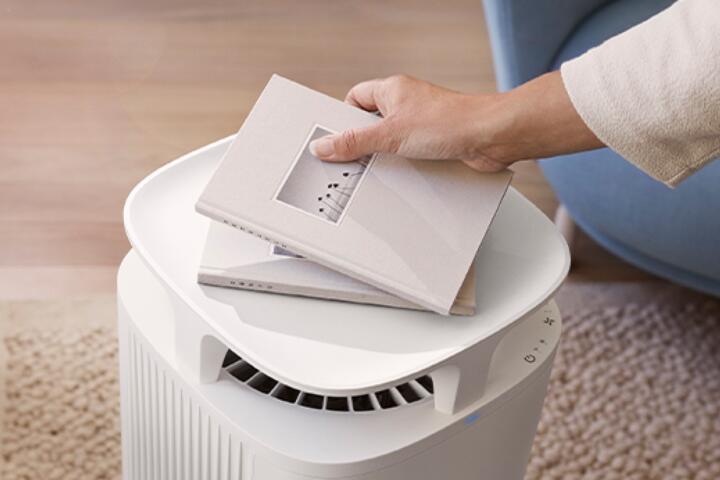
True HEPA filters cannot be directly installed into standard residential HVAC return slots because they completely block normal system airflow. If your rental requires hospital-grade air purification, use an independent, standalone HEPA console like a Coway Airmega placed in the main living space.
Are cheap filters okay?
No, flat fiberglass filters rated MERV 1 to 4 should be avoided entirely in property management. They allow fine dust to coat the internal mechanical parts of your HVAC system, which degrades heat transfer efficiency and can increase your monthly cooling costs by up to 15% over time.
Where should I buy filters?
Purchase your media in bulk quantities of 12 or more from commercial suppliers like Factory Direct Filters or FilterBuy. This cuts the unit cost by up to 40% compared to buying individual filters at retail prices, making regular 45-day replacement cycles much more affordable.
Author's Insight
Managing short-term rentals across different climates taught me that indoor air quality is an invisible asset. I once spent $400 on an emergency HVAC technician during a holiday weekend, only to discover the entire issue was a clogged, cheap filter that had caused the system to freeze over. Since switching my entire portfolio to MERV 11 pleated media and utilizing automated run-time tracking through smart thermostats, my emergency maintenance calls have completely stopped. Do not skimp on this minor item; it protects your most expensive property asset.
Summary
Choosing the correct air filter for an Airbnb requires balancing system safety with guest comfort. For the vast majority of rental properties, a pleated MERV 11 filter provides the ideal sweet spot by capturing pet dander and common allergens without choking off necessary HVAC airflow. Avoid ultra-cheap fiberglass panels and always verify your system's pressure limits before moving up to a MERV 13 tier. Establish a strict 45-day replacement protocol within your turnover checklist to keep your air clean and protect your bottom line.