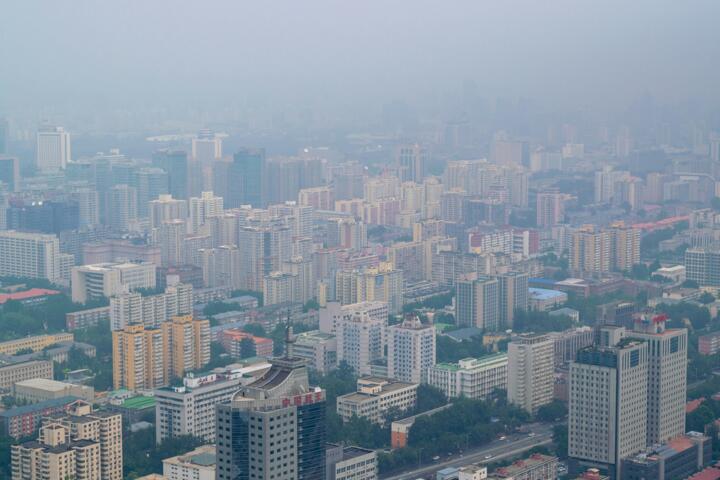
Nomad Air Quality Index
The Air Quality Index (AQI) is a standardized metric indicating the level of air pollutants including PM2.5, PM10, ozone, carbon monoxide, sulfur dioxide, and nitrogen dioxide. AQI values range from 0 to 500, where lower numbers represent cleaner air. For instance, an AQI below 50 is considered “Good”, while values above 150 indicate unhealthy conditions.
Urban centers like Lisbon and Chiang Mai, popular among nomads, frequently update their AQI through governmental and private sensors. Real-time AQI apps, such as BreezoMeter and Plume Labs’ Air Report, provide location-specific data, guiding nomads to safe outdoor activities and indoor precautions. In 2025, WHO estimated around 4.2 million premature deaths linked to air pollution globally, underscoring the criticality of AQI awareness for health-conscious travelers.
Air Quality Problems
Inconsistent Data Sources
Not all AQI reports are equal. Some cities rely solely on government data, which may lack coverage or update frequency. For example, Mexico City often sees discrepancies between official AQI readings and independent monitor results.
Lack of Mobile Integration
Nomads on the move need continuously updated AQI info. However, several cities have poor mobile app integration resulting in delayed or inaccurate air quality notifications.
Ignoring Indoor Air Quality
Many assume indoor air is safe. Yet, indoor pollutants vary widely due to ventilation, cooking methods, or air conditioning quality. Neglecting this can cause respiratory problems despite decent outdoor AQI.
Consequences of Neglect
Exposure to poor air quality leads to fatigue, reduced cognitive function, and chronic illnesses — all detrimental to digital nomads whose productivity and wellbeing depend on healthy lungs and clear minds.
Solutions & Tips
Use Multiple AQI Sources
Combining government and reputable private platforms like IQAir and Plume Labs improves data accuracy. Plume Labs, for example, integrates satellite data with ground-level sensors, offering predictive AQI alerts up to 3 days ahead. This helps nomads plan outdoor work or exercise.
Adopt Real-Time Air Quality Apps
Apps such as BreezoMeter provide hyper-localized data and personalized health advice. Using them ensures nomads receive live updates and notifications when air quality drops, crucial for immediate response.
Invest in Indoor Air Purifiers
In cities with high outdoor pollution like Delhi (with winter AQI sometimes exceeding 300), PA-CO2 detectors and HEPA filter air purifiers from brands like Dyson or Blueair can maintain healthier indoor conditions.
Choose Cities with Stable Air Quality
2026 top nomad cities ranked by AQI include:
- Lisbon, Portugal – Average AQI: 35 (Good)
- Canberra, Australia – Average AQI: 25 (Optimal)
- Osaka, Japan – Average AQI: 45 (Good)
- Chiang Mai, Thailand – Variable AQI: 80/150 (Moderate/Unhealthy during burning season)
- Tbilisi, Georgia – Steady AQI: 40 (Good)
Prioritize cities with consistent low AQI to minimize health risks. Data from WHO and IQAir confirm these choices.
Utilize Portable Air Quality Monitors
Devices like the Atmotube or Awair Glow monitor real-time pollutant levels in personal environments, allowing nomads to adapt or relocate when conditions deteriorate.
Case Studies
Case Study 1: Nomad Base Adjustment in Chiang Mai
A community of digital nomads reported frequent respiratory issues during Chiang Mai’s burning season with AQIs surpassing 150. They adopted portable air quality monitors and switched accommodations mid-season to air-conditioned buildings equipped with HEPA filters. Result: 50% reduction in sick days and improved productivity, verified via app-tracked symptoms.
Case Study 2: Tech Startup in Lisbon
A remote-first software development company relocated its core team from São Paulo (historically AQI >100) to Lisbon (AQI <40). Over 12 months, employee productivity increased by 18%, and sick leaves linked to respiratory complaints decreased by 30%. This was confirmed through internal health surveys and app-based AQI monitoring.
AQI Tools Comparison
| Tool | Data Sources | Features | Cost |
|---|---|---|---|
| IQAir | Ground + Satellite | Hourly / App / 48h Alerts | Free / Premium |
| BreezoMeter | Ground + Models | 15m updates / App / 72h Alerts | Free / Sub |
| Plume Labs | Satellite + Ground | Hourly / App / 3d Alerts | Freemium |
| Atmotube | Personal Sensors | Real-Time / Mobile App | Device Cost |
Common Mistakes
Relying on Single Data Source
One source might misrepresent air quality due to limited sensor networks. Cross-reference multiple platforms.
Ignoring Seasonal Variations
Many cities have AQI spikes seasonally, e.g., wildfire smoke in California or crop burning in Southeast Asia. Plan stays accordingly.
Overlooking Indoor Environment
Don’t assume indoor air mirrors outdoor AQI. Use purifiers and monitors.
Not Updating AQI During Travel
Air quality changes rapidly; continually check AQI updates, especially when moving between cities.
Neglecting Personal Health Conditions
Individuals with asthma or allergies must consider lower AQI thresholds for safety.
FAQ
What is a safe AQI level for digital nomads?
An AQI below 50 is considered safe and good for prolonged outdoor activities. Values above 100 may require protective measures.
Which cities have the best air quality for 2026?
Canberra, Lisbon, and Tbilisi consistently rank among the best for low pollution and stable AQI.
How can I monitor AQI on the go?
Use mobile apps like BreezoMeter or Plume Labs, combined with portable air quality monitors for personal environments.
Do indoor air purifiers help reduce pollution effects?
Yes. High-efficiency HEPA purifiers significantly reduce indoor particulate matter, improving respiratory health.
Can seasonal pollution affect where I choose to live?
Absolutely. Cities like Chiang Mai and Delhi experience high seasonal pollution; nomads should plan stays outside peak pollution months.
Author's Insight
Having lived and worked in multiple nomad hubs, I’ve found AQI mapping indispensable in choosing locations that support both well-being and productivity. Real-time air quality monitoring helped me avoid health setbacks during pollution spikes in Southeast Asia. I recommend integrating multiple AQI tools and prioritizing indoor air quality alongside outdoor conditions. Proactive planning around air quality can prevent respiratory issues and improve work focus, a lesson learned firsthand.
Summary
Air Quality Index mapping is a crucial tool for digital nomads selecting the best cities for health and productivity in 2026. By leveraging multiple AQI sources, real-time apps, and indoor air management strategies, nomads can mitigate risks associated with pollution. Prioritize cities with consistently low AQI, invest in portable monitors, and adapt travel plans seasonally to ensure a sustainable and health-conscious nomadic lifestyle.