Aircraft Age And Comfort
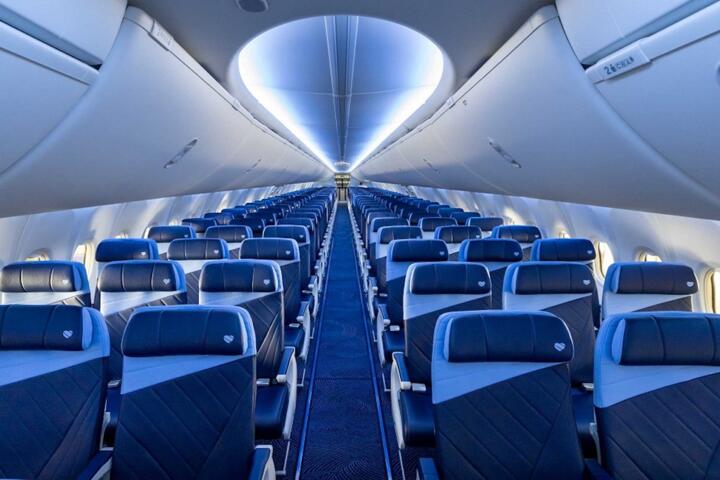
Aircraft age can influence cabin comfort, but it does not act alone. Comfort outcomes come from a mix of design choices (pressurization system, cabin altitude targets, insulation, seat layout) and operational factors (flight duration, load factor, temperature, and how the aircraft is maintained between cycles). A newer airframe can still feel cramped if the cabin layout uses narrow aisles and dense seat pitch, while an older aircraft with a well-kept interior can feel quieter than a newer one with different materials.
For practical planning, treat “age” as a proxy that sometimes correlates with cabin features. Many airlines retrofit cabins, update seat covers, refresh lighting, and replace galleys and lavatory components. Those changes can matter more than the year the aircraft first entered service. On the other hand, some comfort limits come from the original airframe design, so a retrofit cannot fully rewrite cabin altitude behavior or baseline noise characteristics.
If you want a concrete example, compare two flights that both show “Boeing 737” on the booking page. One may be a 737-800 with older cabin insulation and a different seat family, while another may be a later variant or a different operator with a refreshed cabin. The age difference might be small, yet the seat pitch, tray table design, and overhead bin spacing can change your experience more than the aircraft’s calendar age.
What People Get Wrong
Travelers often assume that older aircraft automatically mean worse comfort. That assumption fails when airlines refurbish interiors and when maintenance programs keep systems within manufacturer tolerances. Cabin comfort issues also get blamed on age when the real driver is seat geometry, passenger density, or the cabin’s pressure and humidity profile for that aircraft type.
Another common mistake is using “aircraft age” from a flight-tracking app as a stand-in for cabin conditions. Age can correlate with wear, but wear depends on how the aircraft is used: short-haul cycles can stress components differently than long-haul operations. A jet that flies many short segments may accumulate different fatigue patterns than one that flies fewer, longer legs, even if the calendar age looks similar.
Cabin pressurization and humidity illustrate the dependency problem. Cabin pressure is set by the aircraft’s pressurization controller and certification targets, not by the year the aircraft was built. Humidity depends on how the air is conditioned and mixed; many commercial cabins run at low relative humidity regardless of age, which can dry nasal passages and skin. Noise perception depends on insulation thickness, engine noise management, and how the cabin is lined, which can vary by aircraft model and retrofit history.
Maintenance practices also matter, but they do not translate into a simple “older equals worse” rule. Airlines follow structured maintenance programs under regulatory oversight, and they replace parts on schedules tied to cycles and condition. Still, comfort can degrade when seat mechanisms loosen, when cabin panels vibrate, or when air distribution nozzles clog—issues that can occur on any age group.
How To Judge Comfort
Check Aircraft Type And Cabin
Start with the aircraft model and the cabin configuration shown by your airline or a reputable seat map source. Seat pitch (distance between points on consecutive rows) and seat width drive comfort more consistently than aircraft age. If you see two flights with the same aircraft type but different seat maps, treat them as different comfort products.
Look for details that seat maps sometimes omit: whether the seat has a fixed or adjustable headrest, how much recline is available, and whether the armrests are shared or movable. A small change in recline angle can affect back comfort on long flights, especially when the person in front reclines. I often check the seat map for row numbers near exits and bulkheads because those rows can have different tray table placement and legroom trade-offs.
Also compare cabin class. Premium cabins may use different seat families and wider aisles, which can reduce the “bump and squeeze” effect during boarding and restroom visits. Even when the aircraft is older, a premium cabin can feel calmer because of lower density and different lighting and ventilation distribution.
Use Duration And Timing
Cabin comfort changes with flight length. On short flights, dry-air symptoms and noise fatigue may not reach the threshold that makes travelers feel “worn out.” On long flights, low humidity and sustained noise exposure become more noticeable, and the seat’s pressure points matter more as time passes.
Timing affects perceived comfort too. If you fly overnight, lighting settings and circadian disruption influence how rested you feel on arrival. Some airlines use dimmable cabin lighting and different mood modes; those features depend on cabin equipment and airline policy, not aircraft age alone.
For planning, treat a 2-hour hop differently from a 9-hour flight even on the same aircraft type. Pack accordingly: hydration habits, ear protection, and a plan for posture breaks matter more on longer legs.
Plan For Dry Air And Noise
Low cabin humidity is common across commercial jets because of how air is conditioned and pressurized. To reduce dryness, use saline nasal spray or gel before boarding and during the flight if you tolerate it. Many travelers also use a simple barrier moisturizer on exposed skin. If you wear contact lenses, consider glasses for the flight; dry air can make lenses uncomfortable.
For noise, earplugs often help regardless of aircraft age. Choose foam plugs or custom-molded options if you want stronger attenuation. If you use active noise-cancelling headphones, remember they reduce perceived noise but do not replace earplugs for everyone, especially at higher volumes. A mild aside from my own travel planning habits: I keep a small pair of foam plugs in my carry-on because I rarely trust the seat pocket to have enough space for a full kit.
Noise fatigue also depends on seat location. Seats near the wing can feel different from seats near the tail, and engine placement varies by aircraft model. If you can select seats, compare reviews that mention noise location for that specific aircraft type, not just “older planes.”
Interpret Maintenance Signals Carefully
Maintenance records are not usually visible to passengers, so you cannot verify whether a specific aircraft has had a cabin refurbishment or a seat-mechanism replacement. Still, you can infer some risk factors from operational patterns. A flight that repeatedly changes aircraft at the last minute can lead to seat map mismatches and unexpected cabin layouts.
When a booking shows “aircraft change,” check the seat map again after the airline confirms the aircraft. Seat pitch and exit-row rules can change with the aircraft variant. I once saw a row that looked like standard economy on the original map become a different configuration after a gate change, and the legroom difference was not trivial.
Also watch for signs of cabin issues during boarding. If the cabin crew reports a delay due to a technical inspection, that does not automatically mean comfort problems, but it can correlate with last-minute swaps. Comfort risk stays low when the aircraft is cleared for service, yet your seat assignment might change.
Educational Case Examples
Scenario 1: A traveler books two flights on the same route. Flight A lists an older aircraft by year, while Flight B lists a newer one. After checking the seat map, the traveler finds Flight A has 31–32 inches of pitch in economy, while Flight B has 29–30 inches. The traveler chooses Flight A and reports less back discomfort on a 6-hour leg, even though the aircraft is older. The comfort difference aligns with seat geometry rather than calendar age.
Scenario 2: A family flies overnight on a regional jet. The aircraft age differs by several years, but both flights show similar cabin class and seat density. The family focuses on noise and dryness: they use earplugs for adults and saline spray for the child, and they select seats away from the galley to reduce foot traffic. The child’s sleep quality improves compared with a prior trip, suggesting that humidity and noise management mattered more than the aircraft’s age.
Comfort Checklist And Tradeoffs
| What You Can Check | Why It Affects Comfort | What To Look For | Limits Of This Signal |
|---|---|---|---|
| Aircraft Model | Baseline cabin altitude targets and noise profile come from design | Same model and variant across both flights | Cabin retrofits can change interiors without changing the airframe |
| Seat Pitch And Width | Legroom and pressure points drive fatigue on longer flights | Compare seat maps for the exact flight | Seat comfort varies by body type and recline limits |
| Cabin Density | Traffic and crowding affect rest and movement | Row spacing and aisle width in your class | Density changes by airline policy and cabin layout |
| Aircraft Age | May correlate with wear, but maintenance and retrofits dominate | Use as a weak tie-breaker, not a primary rule | Two aircraft of the same age can feel very different |
Step-by-step decision checklist:
- Confirm the aircraft model and variant for the specific flight, not just the route.
- Compare seat pitch and seat width from the seat map for that exact flight.
- Pick a seat location that matches your comfort needs (quiet zone away from galley, or extra legroom near exits with trade-offs).
- Plan for dryness and noise on flights over about 4–5 hours using ear protection and hydration support.
- Recheck the seat map if the airline reports an aircraft change.
Common Mistakes To Avoid
One mistake is treating aircraft age as a medical proxy. Cabin dryness and noise can worsen symptoms for some travelers, but those effects depend on the aircraft type, cabin equipment, and personal sensitivity rather than the year of manufacture.
Another mistake is ignoring seat configuration. A newer aircraft with tighter seat pitch can feel worse than an older aircraft with more generous spacing. Seat pitch numbers on booking pages can be inconsistent, so cross-check with a seat map that matches the exact flight and variant.
People also over-trust a single comfort metric. Even if two flights share the same aircraft model, differences in cabin refurbishment, seat fabric, and lighting modes can change perceived comfort. A small detail like headrest shape can matter during sleep attempts, and those details rarely show up in basic filters.
Finally, travelers sometimes pack for “aircraft problems” and skip the basics. If you get headaches or nasal dryness, bring your own saline and a plan for posture breaks. If you rely on sleep, test your routine on shorter flights first—then adjust for longer legs.
FAQ
Does An Older Jet Mean Higher Cabin Altitude?
Cabin altitude targets come from the aircraft’s pressurization design and certification. Age alone does not determine cabin altitude, though maintenance and system condition can affect how consistently the aircraft holds targets.
Will Seat Comfort Improve With Newer Aircraft?
Newer aircraft can include newer seat families, but seat comfort depends on pitch, width, recline limits, and headrest design. Airlines sometimes retrofit older cabins, so comfort can improve without a newer airframe.
How Can I Compare Two Flights With Different Aircraft Ages?
Compare aircraft model and variant, then compare seat maps for the exact flight. Use aircraft age only as a tie-breaker when other factors match.
Do Earplugs Work On Any Aircraft?
Earplugs reduce cabin noise exposure across aircraft types by lowering sound reaching your ears. The amount of benefit varies by seat location and your sensitivity, but they remain a low-risk option for many travelers.
Why Does Dry Air Happen Even On Newer Planes?
Commercial cabins typically maintain low relative humidity due to how air is conditioned and pressurized. Humidity levels depend on cabin air management and ventilation, not simply on aircraft age.
Author's Insight
Aircraft age can correlate with wear, yet cabin comfort mostly tracks design features and cabin configuration. Pressurization behavior and baseline noise characteristics come from the aircraft model and cabin equipment, while seat pitch and density drive day-to-day comfort. Maintenance and refurbishments can change the interior feel without changing the airframe’s fundamental limits.
For decision support, I treat aircraft age as a weak signal and prioritize verifiable booking details: aircraft model/variant, seat map geometry, and flight duration. A practical habit is to re-check the seat map after any aircraft change notification, since configuration swaps can happen even when the route stays the same.
If you want a tool reference, flight-tracking apps often show an aircraft’s age and registration, but they rarely show cabin altitude targets or seat pitch for the exact variant. That gap explains why age-based assumptions often miss the real comfort drivers.
Key Takeaways
- Aircraft age can affect wear, but cabin comfort depends more on aircraft model design and the specific cabin layout.
- Seat pitch, seat width, recline limits, and cabin density predict comfort on longer flights better than calendar age.
- Dry air and noise come from cabin air management and sound environment; earplugs and dryness support help across aircraft ages.
- Recheck seat maps after aircraft changes, since the same route can use different variants with different comfort trade-offs.