Understanding Hotel Types
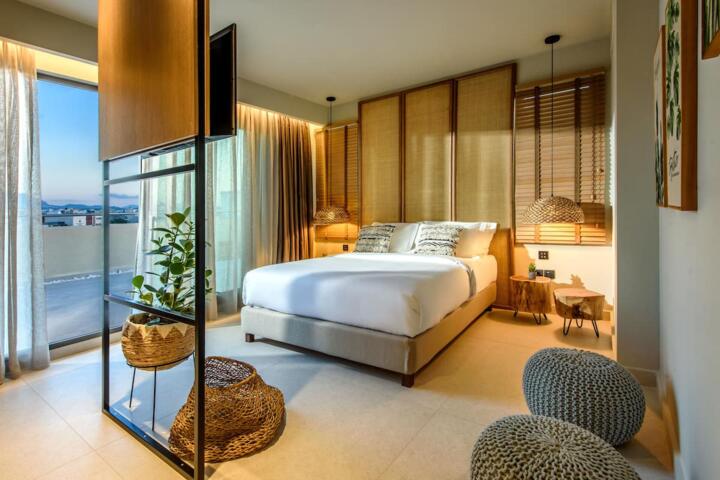
Boutique hotels stand apart from chain hotels based on size, design, and management style. Typically, a boutique hotel has fewer than 100 rooms, with a strong focus on distinctive décor and a unique atmosphere crafted for each location. For instance, the Library Hotel in New York offers themed rooms inspired by the Dewey Decimal System, a detail chain hotels rarely copy. Chain hotels, such as Marriott or Hilton, operate hundreds or thousands of properties worldwide, maintaining consistent design and service standards. Around 75% of U.S. hotel rooms belong to chains, showing their dominant role in mainstream hospitality.
The contrast goes beyond guest count. Boutique hotels deliver a tailored experience in smaller settings, often with local art and personalized service, while chains bet on reliability and predictability.
Common Misconceptions
Many travelers assume that boutique hotels are universally expensive and chain hotels completely impersonal. That’s misleading. A boutique hotel can range widely in price and may lack some amenities a chain hotel standardly includes, like on-site gyms or babysitting services. It’s wrong to tag all chains as cookie-cutter; some brands invest in regional touches and flexible room types.
Overlooking these nuances leads to unmet expectations: a business traveler might get annoyed by the boutique hotel’s limited conference facilities, while a leisure traveler might find the chain hotel's environment uninspiring. Both scenarios arise from confusing these two with a one-size-fits-all mentality.
Service inconsistencies also cause frustration. Chains rely on strict protocols, so the concierge at a Hilton in Chicago replicates service similar to one in Tokyo. Boutique hotel staff often customize guest interactions, but this can vary widely by property and the manager’s vision.
Practical Tips for Choosing
Evaluate Purpose of Stay
Define why you’re traveling. Boutique hotels fit vacations or short leisure stays where atmosphere matters. Chains suit longer trips or work-focused stays because of their business services and location options. A 2021 survey by STR noted 60% of business travelers prefer chains for rewards programs and Wi-Fi stability.
Check Amenities List
Review amenities carefully. Boutique hotels might offer gourmet breakfasts made to order instead of buffets but may lack a pool or shuttle services found in chains. Tools like Expedia filter amenities; compare them side by side before booking.
Prioritize Location
Boutique hotels thrive in city centers or artistic neighborhoods, offering an immersive local vibe. Chain hotels often appear near airports or business hubs, facilitating easy commutes. Check maps and decide proximity to your key destinations.
Assess Brand Loyalty Benefits
Joining a chain’s loyalty program accumulates points exchangeable for upgrades or free stays—beneficial if you travel regularly. Boutique hotels rarely have broad loyalty systems but might offer repeat guest discounts.
Read Recent Reviews
Look at feedback emphasizing service and room uniqueness for boutique stays, versus consistency and cleanliness for chains. Monitor platforms like TripAdvisor and Google; reviews from the last 6 months reflect current experiences best.
Understand Cancellation Policies
Chain hotels usually provide standardized cancellation terms, often flexible and transparent. Boutique policies vary, some requiring weeks in advance. Expect different refund deadlines and deposits.
Consider Personalization Level
Boutique hotels often remember guest preferences and recommend local hidden gems, reflecting their smaller scale. Chains maintain automation, although newer tech efforts like Hilton’s Connected Room system attempt customization.
Identify Room Variety
Chain hotels design room categories for uniformity—standard, deluxe, suite—helping clear expectations. Boutique rooms can be dramatically different even within one property, influencing what to request during booking.
Use Travel Tools
Apps like HotelTonight or Kayak can filter by hotel type, allowing quick sorting between boutique and chain options. They show average prices too; bookings through these tools sometimes snag last-minute deals.
Practical Examples
Consider a case from 2018: The Kimpton Hotel Monaco in Philadelphia had issues attracting repeat business due to inconsistent marketing. They revamped guest engagement via personalized emails and local event partnerships, boosting occupancy rates by 15% within a year.
Contrast that with Holiday Inn Express in Dallas, which in 2020 automated check-in and online room selection, reducing lobby wait times by 40%. Their approach standardized guest experience but lost some face-to-face charm, a trade-off typical of chains.
Quick Feature Check
| Aspect | Boutique | Chain | Typical Size |
|---|---|---|---|
| Customization | High | Standardized | 10–100 rooms |
| Design Style | Unique, quirky | Uniform, brand | 100+ rooms |
| Location | Downtown/art areas | Airports/business zones | |
| Service Model | Personalized | Replicable |
Avoiding Errors
Expecting chains to surprise guests with local charm often leads to disappointment. Plan for reliability there. On the other hand, assuming boutique hotels provide chain-like facilities (like business centers or gyms) frequently causes frustration. Know what each offers before booking.
Booking via general platforms without filtering hotel type often mixes up options, leading to a mismatch between traveler needs and hotel environment. If loyalty rewards matter, skip boutique options or ask upfront about possible affiliations.
Clients sometimes book boutique hotels without reading cancellation rules—some require full payment weeks ahead, which sticks guests if plans change. Chains tend to offer more flexible cancellation terms, though exceptions apply.
FAQ
What defines a boutique hotel?
A boutique hotel typically has fewer than 100 rooms and emphasizes unique design and personalized service within a distinct atmosphere.
Are boutique hotels more expensive?
Not always. Boutique hotels vary widely in price depending on location and amenities, sometimes offering competitive rates compared to chains.
Do chain hotels offer loyalty programs?
Yes, most major chain hotels have loyalty programs where guests earn points redeemable for stays or perks.
Which hotel type suits business travelers better?
Chain hotels generally offer consistent amenities geared toward business needs like meeting rooms, reliable Wi-Fi, and airport shuttles.
Can boutique hotels guarantee room availability?
Smaller size means boutique hotels often fill up faster, so booking well in advance is recommended to secure a room.
Author's Insight
Over years of traveling and managing hotel stays, I prefer boutique hotels for leisure trips due to their character and atmosphere.
Chains, however, are my default for work travel because of their dependable services and business-friendly amenities, even if the vibe feels generic.
Reading recent guest reviews on specific properties often trumps brand reputation alone—this small step uncovers surprises.
Key Takeaways
Boutique hotels offer individuality, charm, and personalized service but with smaller scale and sometimes fewer facilities. Chain hotels deliver predictability, broad availability, and business-oriented amenities, yet risk monotony. Match your trip's purpose, prioritize amenities, and check cancellation policies carefully for the best experience.