Hotel Noise By Location
Hotel noise risk changes with room location because sound sources cluster in predictable places: elevators, ice machines, service corridors, stairwells, laundry rooms, and guest-facing walls. A room that looks “away from the lobby” can still face a service duct, a housekeeping cart route, or a stair landing where people pause. Even within the same floor, layout matters: an end-of-hall room can be quieter than a mid-hall room, while a room above a mechanical room can stay loud after midnight.
Sound also travels differently depending on frequency. Low-frequency noise from footsteps and doors tends to carry through structure, while higher-frequency noise from voices and TVs often reflects off hard surfaces. That means a room near a busy corridor may feel louder even if the noise source is farther away, because reflections amplify speech-range sounds.
Practical examples help. If your room is adjacent to an elevator bank, you may hear periodic chimes and the “whoosh” of doors. If you’re above a lobby bar, you may notice bass-heavy music that doesn’t sound like it’s coming from the floor below. If you’re near a stairwell, you can get bursts of noise when people move luggage or stop to check directions.
Main Noise Pain Points
Many travelers assume higher floors are automatically quieter. That pattern holds for some sources, like street traffic, but it fails for others such as elevator banks, rooftop equipment, and interior plumbing stacks. A room on a higher floor can be louder if it sits above a mechanical unit or directly under a guest-floor corridor that hosts late-night arrivals.
Another common mistake is treating “room type” as a proxy for noise. A “suite” can be noisier if it shares walls with a service corridor or if the living area faces the elevator. Conversely, a standard room can be quiet if it backs onto an interior stairwell wall rather than an exterior facade.
Layout dependencies drive much of the risk. Doors and hallway geometry affect reflections; a narrow corridor with hard walls can make voices carry. HVAC design matters too: some hotels use shared return ducts that route air through corridors, which can spread fan noise. Building age and construction type also influence transmission; older properties often have more rigid pathways for sound.
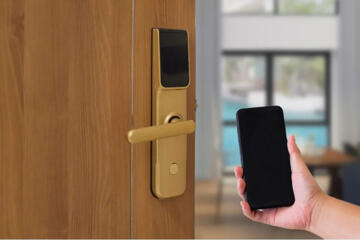
Supporting technologies can reduce or worsen noise. Door closers, double-pane windows, and acoustic insulation help, but they vary by room category and renovation scope. If the hotel uses keycard systems, door chimes may be louder in rooms near the elevator lobby where staff and guests repeatedly access doors. I once checked a property’s Wi‑Fi network name in the lobby and noticed the same hotel used a “guestroom” VLAN label; that detail didn’t predict noise, but it did hint at how much the building had been updated in patches, which often correlates with uneven acoustic upgrades.
Solutions And Advice
Read Floor Plans Like A Map
Start with the floor plan or booking map if the hotel provides one. Look for adjacency to elevators, stairwells, vending or ice areas, and housekeeping closets. End-of-hall rooms often have fewer shared walls with other occupied rooms, but they can be closer to stair landings depending on the building footprint. If the plan shows “service corridor” or “staff only” spaces, treat those as higher risk.
When you can’t see a plan, use room numbering patterns. Many hotels place elevator banks near the center of a floor, so rooms with the same last digits as the elevator-side rooms tend to share that proximity. This varies by property, so confirm with the front desk. A quick aside: on a booking I reviewed in 2024, the room map showed “ELEV” icons but the actual elevator bank was offset by one bay; the mismatch changed which rooms were quiet, so don’t rely on the map alone.
Ask Specific Questions At Booking
Contact the hotel before arrival and ask targeted questions that map to known noise sources. Examples: “Is this room adjacent to the elevator bank or stairwell?” “Is the wall shared with a service corridor or housekeeping closet?” “Does the room face a rooftop unit or mechanical room?” “What is the closest ice or vending area to this room?”
Request a room change if the hotel can move you. Many hotels can reassign within the same category, but they may not be able to guarantee a quieter room if occupancy is high. If you arrive late, ask whether a quieter room is available at check-in rather than assuming the reservation notes will be followed.
For communication, keep it short and concrete. Staff respond better to location-based phrasing than to “it’s noisy.” If you have a preference, mention it: “I sleep lightly” or “I’m sensitive to bass.” That helps them choose between corridor-facing and interior-facing options.
Use Noise-Reduction Tactics
Even with a good room choice, you can reduce impact. Earplugs with a moderate noise reduction rating can help with speech and TV spillover; over-ear headphones with a consistent noise profile can help with intermittent sounds like door slams. A white-noise app on a phone can mask corridor chatter, but it won’t cancel low-frequency bass from music.
Window and door sealing matter. If the room has a gap under the door, you may hear hallway noise more than you expect. A rolled towel at the door bottom can reduce leakage, though it won’t fix structural transmission. If you use a fan or HVAC mode, avoid settings that create a loud cycling pattern; some thermostats click or ramp fan speed in ways that become noticeable at night.
One practical detail: if you plan to use a phone for masking, test volume before bedtime. Many apps default to higher levels after updates; I saw this after a system update on iOS 17.x where media volume behavior changed slightly, which made the masking sound louder than intended.
Time Your Expectations And Check-In
Noise patterns vary by time. Elevator and corridor noise often peaks during late arrivals and early departures, while laundry and housekeeping noise can cluster in the morning. If you can choose your check-in time, arriving after the busiest arrival window can reduce the chance you get a room near active housekeeping routes.
At check-in, do a quick “sound scan” without being disruptive. Stand near the door for 30–60 seconds and listen for elevator chimes, ice machine hum, or stairwell echoes. If the hotel offers a room key before final assignment, you can compare two rooms quickly, but ask staff to handle the process; forcing yourself into multiple rooms can violate hotel policy.
If you notice noise, report it early. Hotels often respond better when they can still move you before the room is fully prepared for the night.
Case Examples For Realistic Planning
Scenario 1: Elevator-adjacent room on a mid-level floor. A traveler books a room on the 4th floor in a building where the elevator bank sits near the center. The room is quiet during the afternoon but becomes disruptive after 11 p.m. The likely cause is repeated elevator door cycles and corridor conversations near the elevator lobby. The traveler asks for a room on the opposite side of the corridor, away from the elevator bank, and uses a white-noise track for the first night while waiting for the reassignment.
Scenario 2: Higher floor above a mechanical area. Another traveler chooses the 7th floor because street noise is a concern. The room is still loud at night, with a steady fan-like sound that changes when the HVAC cycles. The likely cause is a rooftop or mid-building mechanical unit feeding the room’s air handling. The traveler requests a room farther from the mechanical zone and asks whether the HVAC fan runs continuously or cycles; the hotel can sometimes swap to a room with a different air-handling path.
Noise Risk Checklist By Layout
| Room Location Factor | Typical Noise Pattern | Risk Level | What To Ask |
|---|---|---|---|
| Adjacent To Elevator Bank | Chimes, door cycles, corridor voices | Higher | “Is this room next to elevators?” |
| Near Stairwell | Footsteps, luggage bumps, pauses | Medium to Higher | “How close is it to the stair landing?” |
| Above Mechanical Room | Steady fan hum, cycling changes | Medium | “Is the room above any mechanical equipment?” |
| Facing Interior Corridor | Speech spillover, door slams | Medium | “Does it face the corridor or courtyard?” |
Quick step-by-step checklist for booking: (1) Choose a room away from elevator and stair adjacency. (2) Prefer rooms that face an interior courtyard or a less-used side, when available. (3) Ask about mechanical equipment above or below the room. (4) Plan for a 30–60 second sound check at check-in. (5) Bring a masking option if you’re sensitive to intermittent noise.
Common Mistakes That Backfire
Relying on floor height alone causes avoidable surprises. Street noise often decreases with higher floors, but elevator, stairwell, and mechanical noise can stay constant or even increase due to building layout. Another mistake is assuming “corner rooms” are always quiet; corners can share walls with two noisy zones, including corridor and elevator-side walls.
Travelers also over-trust guest reviews that mention noise without room location details. A review that says “noisy” without stating whether the room faced the elevator, a bar, or the street makes it hard to transfer the information to your booking. If you read reviews, look for repeated patterns tied to specific features like “ice machine,” “stairwell,” or “elevator chime,” then map those to the floor plan.
Some people request “quiet rooms” with no location constraints. That request can lead to a random reassignment that still sits near a different noise source. A better approach is to name the likely source you’re trying to avoid, then ask for a room that changes the geometry, not just the room number.
Finally, people sometimes wait until the next morning to report noise. If the hotel can move you, early reporting increases the chance of a workable alternative before the room is fully occupied and staff schedules tighten.
FAQ
Are Higher Floors Always Quieter?
Higher floors reduce some street-facing noise, but elevator banks, stairwells, and mechanical equipment can still create noise. Room layout often matters more than floor height.
Does Being Near An Elevator Matter?
Yes, because elevator door cycles and nearby corridor voices create recurring sounds. Rooms adjacent to the elevator lobby often show the most noticeable patterns at night.
Can A Room Above Mechanical Equipment Be Loud?
It can. Fan hum and HVAC cycling can be steady or intermittent, and the sound may change when the system ramps up or down.
How Can I Check Noise Risk Before Arrival?
Ask the hotel whether the room is adjacent to elevators, stair landings, ice or vending areas, or service corridors. If a floor plan is available, compare your room’s position to those features.
What Should I Ask At Check-In?
Ask for a room change if the room faces a known noise source, and request a quick reassignment option if the hotel has availability. A short sound check near the door helps you decide immediately.
Author's Insight
Noise risk in hotels follows predictable building patterns: sound sources cluster around circulation and building services, and room geometry affects reflections. Floor height can reduce some external noise, but it does not remove interior sources like elevator lobbies or stair landings. When you evaluate a room, treat the floor plan and adjacency relationships as primary evidence, then use a short in-room sound check to confirm. If you’re booking through a third party, send the same location-based questions to the hotel directly so they can interpret your request against their actual room inventory.
Key Takeaways
- Noise risk depends on adjacency to elevators, stairs, service corridors, and mechanical areas, not only on floor number.
- Use floor plans and room maps to identify shared walls and nearby noise sources, then confirm with the front desk.
- Ask location-specific questions and do a 30–60 second sound check at check-in.
- Bring practical masking options for intermittent corridor noise, since bass and structural transmission can be harder to cancel.