The Reality of Backcountry Property Loss
Theft in federally protected lands is more common than many visitors realize, often peaking during high-season windows at popular destinations like Yosemite or the Great Smoky Mountains. Unlike urban theft, losing a $900 ZPacks tent or a $600 Garmin inReach device miles from a trailhead creates an immediate safety hazard. National Parks operate under exclusive or concurrent federal jurisdiction, meaning a standard 911 call might involve a longer response time from a Law Enforcement Ranger rather than local police.
In 2023, data from various NPS units suggested that "crimes against property" remain the most frequent offense reported by visitors. For example, at popular trailheads in the Pacific Northwest, "smash-and-grab" incidents can occur in under 60 seconds. Understanding that your gear is an investment—often totaling upwards of $3,000 for a full ultralight kit—is the first step toward treating a loss with the seriousness it deserves.
Securing the Scene and Evidence
When you return to your campsite or vehicle and realize items are missing, your first instinct is often to rummage through what’s left. Stop. To file a successful claim, you need a clear record of the "point of entry" or the method of theft. If a bear canister was snatched or a rooftop tent was unscrewed from a Yakima rack, document the physical damage immediately. Take high-resolution photos of cut locks, shattered glass, or disturbed ground.
Initial Reporting Protocols
You must contact the National Park Service Dispatch or visit the nearest Ranger Station. This isn't just for documentation; it initiates a Form 10-343 (Incident Report). Without this federal case number, private insurance companies like Geico, State Farm, or specialized providers like Lemonade will almost certainly deny your claim.
Leveraging Digital Proof of Ownership
Modern claims adjustment relies heavily on "pre-incident" evidence. Savvy hikers maintain a digital "gear locker" using apps like LighterPack or even a simple Google Sheet. These lists should include serial numbers for electronics and high-value items like Leica binoculars or Goal Zero power stations. Having these ready when the Ranger arrives speeds up the report process significantly.
The Role of Comprehensive Coverage
Most travelers assume their gear is only covered if stolen from their home. In reality, "Off-Premises Coverage" in standard homeowners or renters insurance typically covers personal property anywhere in the world. However, this is usually subject to your deductible, which might be $500 or $1,000. If your stolen gear is worth $1,200, filing a claim might not be mathematically sound due to future premium hikes.
Evaluating Travel-Specific Insurance
If you are trekking with high-end photography equipment or expensive carbon-fiber mountain bikes, standard policies may have "sub-limits" (e.g., only $1,500 for electronics). Services like World Nomads or Berkshire Hathaway Travel Protection offer specific "Adventure Sports" riders that provide better replacement value for outdoor equipment stolen during a trip.
Significant Obstacles in the Recovery Process
The most frequent mistake victims make is failing to distinguish between "lost" and "stolen" property. Insurance policies rarely cover "mysterious disappearance." If you left your Arc'teryx shell on a rock at a vista point and it wasn't there when you returned, that is likely a loss, not a theft. To file a successful claim, there must be evidence of intent or force.
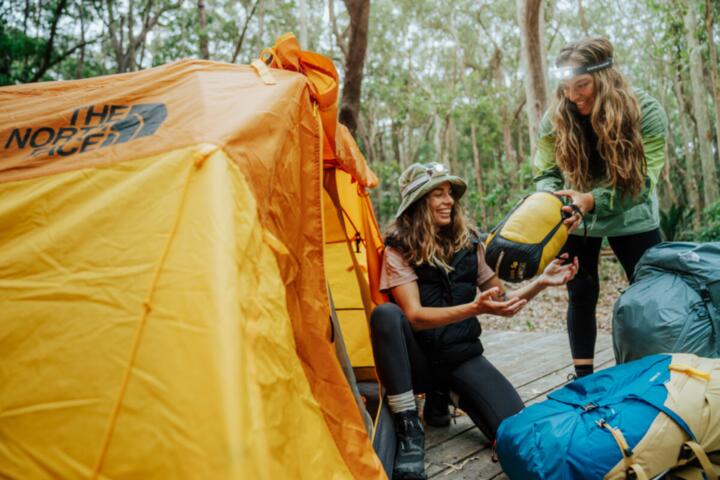
Another major pain point is the "Actual Cash Value" (ACV) vs. "Replacement Cost Value" (RCV) trap. If your five-year-old North Face tent is stolen, an ACV policy will pay you the depreciated value—perhaps $100 for a tent that costs $500 to replace today. Always check if your policy specifies RCV, which covers the cost of buying the item brand new at current market prices.
Professional Strategies for Claim Success
Immediate Law Enforcement Engagement
You must insist on a formal written report. Some rangers may offer a "Citizen Report" or a simple note, but for insurance purposes, you need an official Case Number. Mention specific high-value brands like Patagonia, MSR, or Big Agnes in the report to establish the value early on.
- Why it works: It creates a legal paper trail that carries the weight of a federal investigation.
- In practice: If the theft occurred at a trailhead, provide the Ranger with your exact GPS coordinates via your Coros or Suunto watch.
Inventory Documentation and Metadata
When filing the claim with your provider (e.g., Allstate or USAA), don't just send a list. Send screenshots of your purchase history from REI, Backcountry, or Moosejaw. If you bought items used on GearTrade, find the original PayPal or Venmo transaction.
- Why it works: It proves the existence and ownership of the items beyond a doubt.
- Tools: Use the "Scan" feature in the Notes app on iPhone to create a single PDF of all receipts.
Assessing Deductibles and Premium Impact
Before hitting "submit" on an insurance app, calculate the long-term cost. If your deductible is $500 and the stolen gear is worth $800, you are only getting $300 back. A single claim can raise your annual premium by 10% to 15% for the next three years.
- Calculation: If your premium is $1,200/year, a 15% increase is $180/year. Over three years, you pay $540 extra to get that $300 check. In this case, it’s better to eat the loss.
Utilizing Credit Card Protections
Many people forget that premium credit cards (Chase Sapphire Reserve, Amex Platinum, or Capital One Venture X) offer "Purchase Protection" for items bought within the last 90 to 120 days. If your brand-new Sony Alpha camera was stolen, the credit card company might reimburse you regardless of your home insurance.
- Results: This often bypasses your homeowners' insurance deductible and doesn't affect your home insurance premiums.
Specialized Equipment Scheduling
For gear that costs over $2,000 (like high-end e-bikes or professional telescope setups), "scheduling" the item on your policy is the only way to ensure full protection. This is an "Inland Marine" rider that usually has a $0 deductible.
- Method: Provide the insurer with an appraisal or a recent invoice for the specific item.
Recovery Case Examples
Case Study 1: The Trailhead Smash-and-Grab
A photographer visiting Olympic National Park had a Pelican case containing a Canon R5 and three RF lenses stolen from their trunk.
- Action taken: The victim provided the NPS Ranger with the serial numbers stored in their Cloud-based "Gear Box." They filed a claim through their "Personal Articles Floater" on their State Farm policy.
- Result: Because the items were scheduled, the insurer paid out $8,400 (Replacement Cost) within 11 days with $0 deductible.
Case Study 2: The Campsite Heist
A family at Zion National Park had their kitchen setup, including a Camp Chef stove and a Dometic electric cooler, stolen while they were out on a day hike.
- Action taken: They didn't have receipts, so they provided "photos in the wild"—pictures of them using the gear earlier that trip—to the adjuster.
- Result: The renters insurance provider (Lemonade) accepted the photos as proof of possession and issued a $1,150 payment after a $250 deductible.
Essential Claim Documentation Checklist
| Action Step | Tool/Resource | Importance |
|---|---|---|
| Call NPS Dispatch | 911 or Park HQ Number | Mandatory for federal case number. |
| Take Photos | Smartphone Camera | Proves "Forceful Entry" for the adjuster. |
| Locate Receipts | Email Archive (REI/Backcountry) | Establishes the original purchase price. |
| Check Credit Card | Amex/Chase/Capital One App | May offer $0-deductible purchase protection. |
| File Claims Form | Insurance Portal/App | Initiates the financial recovery process. |
| Log Serial Numbers | Manufacturer Websites | Helps police track items at pawn shops. |
Frequent Pitfalls to Avoid
- Waiting too long to report: Most insurance policies require a police report within 24–48 hours of the discovery of the theft.
- Embellishing the value: If an adjuster finds you lied about the price of one item (e.g., claiming a $50 Ozark Trail chair was a $160 Helinox), they may deny the entire claim for fraud.
- Assuming the Park is liable: The National Park Service is generally not responsible for the loss of personal property. Suing the federal government under the Federal Tort Claims Act (FTCA) for a stolen backpack is almost always a losing battle.
- Forgetting "Vehicle" vs. "Home" insurance: If gear is stolen from a car, your car insurance (Geico/Progressive) usually only covers the car itself. The contents are covered by your home or renters insurance.
- Neglecting to check "Off-Premises" limits: Some budget policies cap off-premises theft at 10% of your total personal property limit. If you have $20,000 in coverage, you might only have $2,000 for gear stolen in a park.
FAQ
Does the National Park Service reimburse me for stolen items?
No. The NPS is a land management agency, not an insurer. They will investigate the crime, but they will not cut you a check for your missing items.
What if I don't have receipts for my older camping gear?
You can use "evidence of possession." Provide photos of yourself using the gear on previous trips or screenshots of the items in your digital gear lists (LighterPack).
Will my car insurance cover my stolen mountain bike?
Usually, no. Comprehensive auto insurance covers the vehicle and its factory parts. Personal items inside or attached to the vehicle are typically covered by your homeowners or renters insurance.
Does a "Police Report" from a Park Ranger count for my insurance?
Yes. An NPS Incident Report (Form 10-343) is a formal federal police report and is accepted by all major insurance providers.
Should I file a claim for a stolen $300 GoPro?
Probably not. If your deductible is $500, the claim is worth zero. Even if your deductible is lower, the risk of a premium increase usually outweighs the $300 benefit.
Author's Insight
In my years of trekking through the High Sierra and the desert Southwest, I’ve learned that "out of sight, out of mind" is the only true security. I once watched a fellow hiker lose an entire Osprey pack because they left it leaning against a signpost at a crowded trailhead for "just five minutes." My best advice: treat your campsite like a storefront; if you wouldn't leave $500 in cash on the table, don't leave your high-end optics or electronics visible. Always keep a "Recovery Folder" in your Google Drive with photos of your gear and serial numbers—it turns a three-week insurance headache into a three-day breeze.
Conclusion
Recovering from gear theft in a National Park requires a disciplined approach to documentation and a clear understanding of your insurance policy's fine print. By securing a federal incident report immediately and providing granular evidence of ownership, you maximize your chances of a full reimbursement. Remember to weigh the cost of your deductible against future premium increases before filing. The best defense remains a proactive offense: keep your high-value items out of sight and maintain a digital inventory of your outdoor investments.