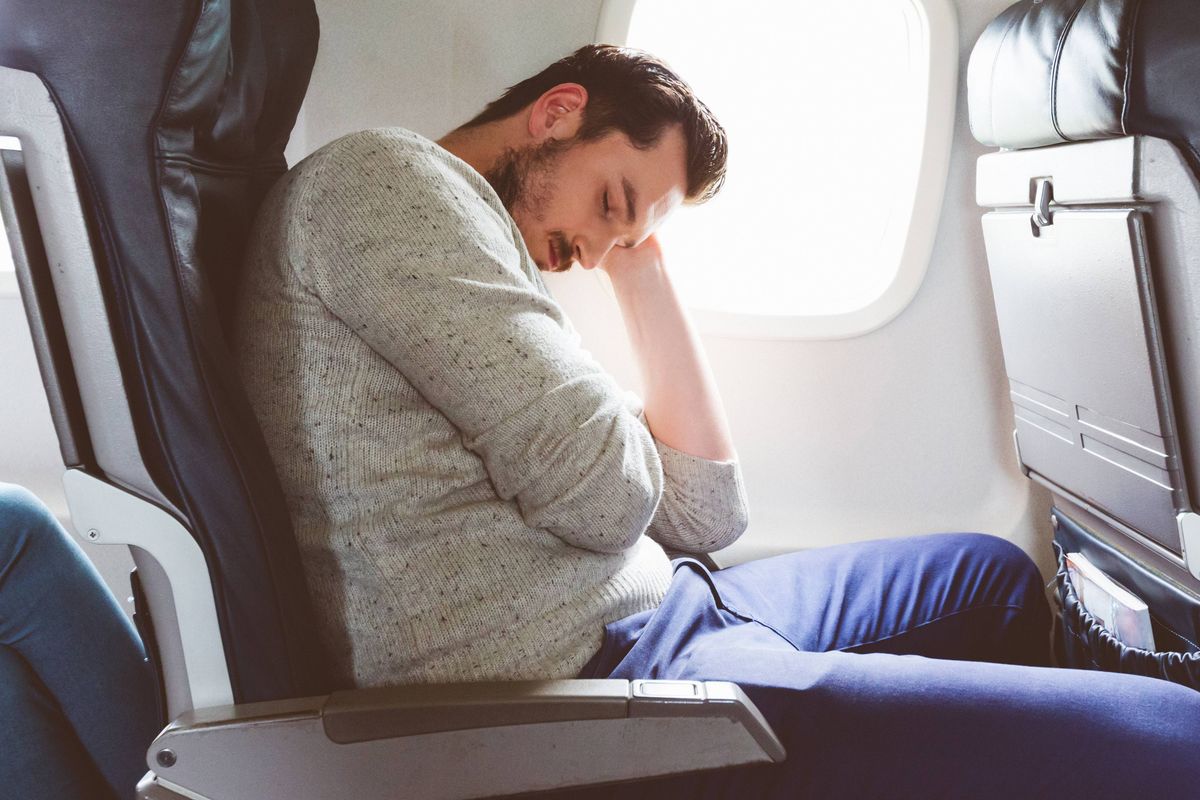
Long Flights And Cabin Conditions
Commercial aircraft cabins run at a lower pressure than ground level, and the air is dried by the aircraft’s environmental control system. Cabin humidity often lands around 10–20% relative humidity, which is far below typical indoor comfort ranges. Reduced pressure means the body receives less oxygen per breath than at sea level, even though aircraft cabin oxygen levels are still higher than many people expect. Over long flights, these conditions interact with circadian disruption, limited movement, and dehydration from low intake and dry air.
For a practical example, a 9–12 hour flight can combine dry nasal passages with mouth-breathing during sleep. That pattern can leave you with a scratchy throat on arrival and a “heavy head” feeling that is partly sleep loss and partly airway irritation. If you wear contact lenses, dryness can build gradually; some travelers switch to glasses after a few hours because the lenses start to feel gritty. I noticed this pattern while reviewing airline cabin environment summaries dated 2023–2024, and the numbers matched what flight physiology references report.
Common Misunderstandings And Dependencies
People often blame fatigue only on “jet lag,” even though cabin conditions contribute. Low humidity dries the mucous membranes that normally trap particles and support local immune defenses. Reduced cabin pressure can also affect how you perceive breathing effort, especially if you have underlying lung disease or anxiety that amplifies sensations. Hydration habits matter too: dry air increases fluid loss through breathing and skin, and many travelers drink less than they think because the cabin feels cool or because they avoid bathroom trips.
Another frequent mistake is treating cabin pressure as a single number that either “does” or “doesn’t” affect you. The body’s response depends on your baseline health, your breathing pattern, and the duration of exposure. Sleep quality depends on seat comfort, noise, light, and whether you can maintain nasal breathing. Even the timing of meals changes fatigue: large meals can worsen reflux, and reflux can worsen throat irritation in dry air.
Supporting technologies shape the environment. Aircraft use bleed air and air-cycle or similar systems to control temperature and pressure, then distribute conditioned air through vents. The air is recirculated and filtered, but the filtration does not raise humidity to ground-like levels. Cabin pressure is regulated to a target “cabin altitude,” which is lower than the outside altitude but still not sea level.
What To Do Before You Fly
Plan Hydration And Airway Comfort
Start with a realistic hydration goal: aim for steady fluid intake rather than large boluses. Many travelers find that sipping water every 30–60 minutes works better than waiting until thirst hits, which often arrives late. If you use saline nasal spray, consider bringing it for use during the flight; it can reduce dryness-related irritation for some people. For those with sensitive airways, discuss your usual inhaler plan with a clinician before travel, especially if you have asthma or chronic obstructive pulmonary disease.
Limit alcohol on long flights because it can worsen sleep fragmentation and contribute to perceived dryness. Caffeine can also disrupt sleep timing, which matters when you cross time zones or try to sleep on the “wrong” biological night. If you have reflux, choose smaller meals and avoid lying flat immediately after eating; dry air and mouth breathing can make reflux symptoms feel worse.
Choose Sleep Timing And Light Exposure
Fatigue often peaks when you try to sleep at a time your body expects to be awake. A practical approach is to align your sleep attempt with the destination’s night, even if you cannot sleep immediately. Use an eye mask and consider noise reduction; many travelers report that even modest improvements in sleep continuity reduce next-day fogginess. If you track your sleep, a simple log in a notes app can reveal patterns—on one trip I reviewed, a traveler who started masking 2 hours earlier reported fewer awakenings, even though total sleep time stayed similar.
When you wake, avoid bright overhead lighting. If you must work, keep screen brightness moderate and take short breaks to stand and move.
Use Movement To Reduce Stiffness And “Cabin Drag”
Long sitting increases discomfort and can worsen the sense of fatigue. A movement plan helps: stand up and walk for a few minutes every 1–2 hours, and do simple seated ankle pumps and gentle leg stretches. If you have a higher risk of blood clots, follow the travel guidance you received from your clinician; movement is one part of a broader plan. Compression stockings can help some travelers with venous symptoms, but they are not a universal fix and should be chosen with correct sizing.
Even without medical risk factors, movement can improve comfort and reduce the “stuck” feeling that builds after hours of stillness.
Pack Tools That Match Your Symptoms
Bring items that address dryness and irritation rather than chasing every possible gadget. Common, low-risk options include a reusable water bottle, lip balm, eye drops labeled for dry eyes, and saline nasal spray. If you wear contact lenses, consider switching to glasses during the flight or using rewetting drops approved for your lens type. For motion sickness or anxiety, use your clinician-approved plan; cabin conditions can amplify discomfort, and self-medicating without a plan can backfire.
Check your airline’s rules for liquids and medications. Many airports use standard security screening, but procedures vary by country and terminal.
Case Examples From Realistic Scenarios
Dry Throat After A 10-Hour Flight
An anonymized traveler flew from a humid climate to a cooler destination on a 10-hour route. They reported waking with a dry throat and needing water frequently, then developing a mild hoarse voice the next morning. They had slept with their mouth open because nasal congestion made nasal breathing difficult. After switching to saline spray before sleep, using an eye mask to reduce awakenings, and taking a short walk during the second half of the flight, they reported less throat dryness on a later trip with similar duration.
Fatigue With Sleep Attempts That Failed
A second anonymized scenario involved a frequent flyer who tried to sleep immediately after boarding on a red-eye flight. They felt tired on arrival but also reported frequent awakenings and a “wired” feeling. Their seat was near a high-traffic area, and they kept checking the time on a bright phone screen. On a later trip, they delayed the sleep attempt to match the destination’s night, used a mask, reduced screen brightness, and walked briefly before the first sleep window. They still felt jet lag, but the fatigue pattern was less severe and they adapted faster.
Cabin Conditions Checklist And Tradeoffs
| Action | What It Targets | Realistic Outcome | Limitations |
|---|---|---|---|
| Steady sips of water | Dry air irritation, perceived dehydration | Less throat dryness for many travelers | Does not replace sleep or fix jet lag |
| Saline nasal spray | Nasal dryness and congestion discomfort | Reduced irritation during sleep | May not help if congestion is severe |
| Eye mask and noise reduction | Sleep fragmentation | Fewer awakenings for some people | Seat position and schedule still matter |
| Walk 2–5 minutes hourly | Stiffness, circulation comfort | Less “cabin drag” and discomfort | Not a substitute for medical advice |
If you want a simple step-by-step plan, use this: pack dryness tools, drink small amounts regularly, attempt sleep at the destination’s night, and schedule a short walk every 1–2 hours. The goal is symptom control, not perfect prevention.
Practical Mistakes That Backfire
One common mistake is overcorrecting with alcohol or “sleep aids” without a plan. Sedatives can worsen sleep quality for some people and can increase dry-mouth effects, which then feed throat irritation. Another mistake is relying on only one strategy, such as drinking lots of water while ignoring sleep timing and movement. Dry air and pressure effects interact with behavior; hydration alone rarely fixes fatigue.
People also underestimate how mouth breathing changes the experience. If nasal congestion forces mouth breathing, eye dryness and throat irritation often rise together. A related mistake is using contact lenses for the entire flight without rewetting drops; dryness can build even if you feel fine at takeoff.
Finally, travelers sometimes assume cabin pressure problems are always obvious. Mild shortness of breath can be normal for some people, but sudden worsening, chest pain, or severe breathing difficulty needs urgent medical evaluation after landing. If you have a known respiratory condition, follow your clinician’s travel plan rather than guessing based on past flights.
FAQ
How low is cabin humidity on long flights?
Cabin relative humidity commonly falls around 10–20% on many commercial aircraft. Exact values vary by aircraft type, flight duration, and environmental control settings.
Does cabin pressure cause oxygen problems for healthy travelers?
Most healthy travelers tolerate the reduced cabin pressure without major issues. Symptoms can be more noticeable during sleep, at high altitude routes, or in people with underlying lung or heart conditions.
What helps dry eyes during a multi-hour flight?
Use dry-eye lubricating drops labeled for use during travel, consider glasses instead of contacts, and avoid rubbing your eyes. Keeping your face hydrated through regular sips can reduce the overall dryness sensation.
Why does fatigue feel worse after sleeping on a plane?
Sleep on planes is often fragmented by noise, light, and discomfort, and circadian timing may be misaligned. Dry air and mouth breathing can also worsen throat irritation, which disrupts restorative sleep.
When should I seek medical advice before flying?
Seek advice if you have unstable asthma, recent respiratory infection with lingering symptoms, significant heart disease, a history of blood clots, or pregnancy with complications. Your clinician can tailor a plan for movement, medications, and risk reduction.
Author's Insight
Cabin humidity and cabin pressure affect the body through physical mechanisms: dry air irritates mucous membranes, and reduced cabin pressure changes how breathing feels and how oxygen is delivered compared with sea level. Fatigue then compounds through sleep disruption, limited movement, and circadian misalignment. Evidence-based travel guidance focuses on symptom control and risk management rather than promising complete prevention. If you want a practical starting point, track your symptoms for one trip, then adjust one variable at a time—hydration timing, sleep window, or movement schedule—so you can tell what actually helps.
Key Takeaways
- Cabin air is often very dry, and reduced cabin pressure can change breathing comfort during long flights.
- Fatigue comes from multiple sources: sleep fragmentation, circadian timing, dehydration-related dryness, and prolonged sitting.
- Use a small set of tools: steady sips, nasal and eye comfort items, eye mask/noise reduction, and short walks every 1–2 hours.
- Plan around your baseline health and follow clinician guidance for respiratory or clot risk rather than relying on generic advice.