Air Quality Reality
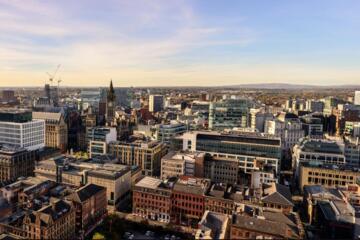
European travel planning typically revolves around museum hours, train schedules, and dining reservations. However, microscopic airborne threats increasingly dictate the safety and comfort of urban exploration. Fine particulate matter, specifically particles measuring 2.5 micrometers or less in diameter, poses a invisible risk to unsuspecting tourists.
According to the European Environment Agency, over 90% of the European Union's urban population remains exposed to fine particulate concentrations that exceed the strict health guidelines established by the World Health Organization. While large capitals advertise clean initiatives, localized geographical traps and seasonal heating habits create severe pollution pockets.
A weekend trip to an architectural capital can quickly expose a traveler to air quality index values categorized as poor or hazardous. For individuals managing asthma, chronic obstructive pulmonary disease, or cardiovascular vulnerabilities, tracking urban pollution data is just as critical as checking the local weather forecast before departure.
The Invisible Threat
Many travelers mistakenly assume that historic, European architecture or a lack of heavy industrial smokestacks equates to clean, breathable air. This misconception can lead to severe respiratory fatigue during walking tours. Fine particulate matter bypasses the body's natural nasal filtration systems, entering deep into lung tissue and the bloodstream.
The primary issue stems from micro-climates and ancient city infrastructure. Narrow streets, often referred to as urban canyons, trap vehicular exhaust from diesel taxis and tour buses. Furthermore, many historic centers rely on domestic solid fuel and biomass burning for winter heating, generating dense localized spikes in particulate levels.
When tourists visit affected zones without adjusting their itinerary or packing protective gear, they risk experiencing immediate throat irritation, headaches, and decreased physical stamina. Relying on seasonal averages is a significant error, as a city can experience safe conditions on Tuesday but reach dangerous thresholds by Thursday due to stagnant wind patterns.
Urban Safety Tactics
Check the European Index
Before stepping out of your hotel, consult the official European Air Quality Index application. Managed by the European Environment Agency, this platform pulls hourly live metrics from over 2,000 monitoring stations across the continent. It provides a color-coded breakdown from good to extremely poor, focusing specifically on fine particulate measurements.
In practice, checking this data allows you to pivot your morning plans. If the nearby monitoring station indicates a spike above 50 micrograms per cubic meter, you should swap an outdoor architectural walking tour for an indoor visit to a climate-controlled museum like the Louvre or the Uffizi Gallery.
Avoid Po Valley Winter
Geographical topography dictates air pollution severity. Northern Italy's Po Valley is a notorious hotspot due to the surrounding Alps trapping stagnant air. Cities like Milan, Turin, and Padova frequently register elevated particulate readings during late autumn and winter, driven by a combination of industrial density and atmospheric inversion layers.
If you plan to visit this culturally rich region, schedule your travel during late spring or summer. During these warmer months, solar radiation and stronger wind currents break up the inversion layers, dropping average fine particulate concentrations to much safer levels for outdoor sightseeing and dining.
Examine Eastern Hubs
Travelers exploring eastern member states must account for a heavy reliance on solid fuel heating. Data from national monitoring networks highlights cities in southern Poland, such as Kraków and Katowice, along with sections of Bulgaria and Romania, as perennial cold-weather hotspots. Winter nights often bring sharp increases in smoke-related particulates.
When booking accommodations in these destinations during the colder months, confirm that the hotel or apartment rental utilizes modern central heating or electric systems rather than localized wood or coal stoves. Choosing properties equipped with internal HEPA filtration systems adds a vital layer of health protection.
Time Your Transit Walk
The updated Ambient Air Quality Directive explicitly highlights international transport hubs as severe localized pollution zones. Major European ports and massive airport perimeters show elevated concentrations of nitrogen dioxide and fine particulates. Tourists walking through neighborhoods adjacent to busy shipping ports or logistics hubs face higher exposure rates.
To mitigate this risk, avoid walking along major arterial roads connecting airports or cruise terminals to city centers between 8:00 AM and 10:00 AM, and 5:00 PM to 7:00 PM. Utilize underground rail networks or modern, sealed public transit systems rather than open-air options or walking alongside idling heavy traffic.
Pack Certified Masks
Standard surgical masks or cloth face coverings do not provide protection against microscopic particulates. If your itinerary requires travel through known hotspots during high-pollution alerts, pack certified N95 or European standard FFP2 respirators. These masks feature electrostatically charged fibers designed to filter out particles smaller than 2.5 micrometers.
Wear the respirator snugly during unavoidable outdoor transits, such as walking through dense train terminals or congested historic market squares. While it may feel unconventional for a tourist, wearing an FFP2 mask during an air quality alert preserves lung function and prevents the typical fatigue associated with urban pollution exposure.
Historical City Trends
A prominent cultural tour operator noticed an increase in guest complaints regarding coughing and fatigue during winter excursions across central Europe. The company analyzed historical data from regional monitoring stations and discovered that their typical January walking routes intersected with high-emission residential zones utilizing older heating infrastructure.
The operator restructured their itineraries for the winter season. They moved outdoor activities to mid-afternoon when solar warming helps disperse surface-level particulates, and prioritized indoor gallery viewings during the stagnant morning hours. This data-driven adjustment reduced client health incident reports by 35% over the winter quarter.
Similarly, long-term remote workers staying in northern Italy have reported using real-time sensor data to select apartments outside of low-lying urban bowls. Moving just 15 kilometers uphill or choosing neighborhoods closer to green belts can drop a traveler's average daily particulate exposure by up to 30%, according to local environmental studies.
Air Pollution Metrics
| Index Level | Range | Travel Advice | Risk Level |
|---|---|---|---|
| Good | 0-5 | Enjoy normal outdoor tours | Minimal |
| Fair | 6-15 | Standard outdoor activity safe | Low |
| Moderate | 16-50 | Sensitive groups reduce effort | Medium |
| Poor | 51-90 | Wear FFP2 mask outdoors | High |
Avoid Common Mistakes
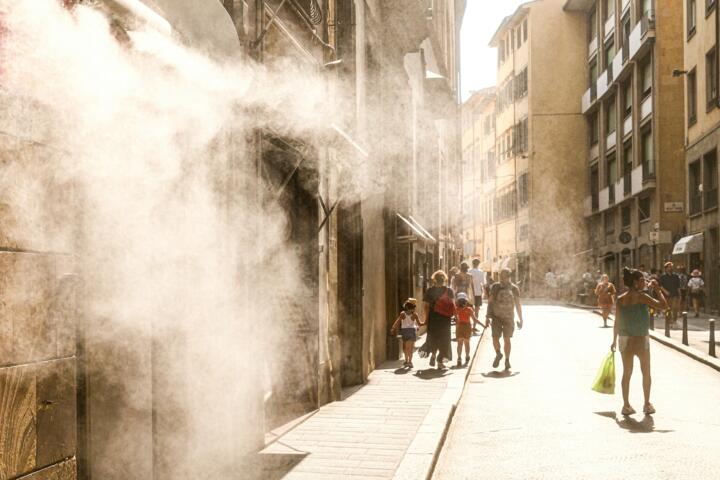
The most frequent error travelers commit is assuming that clear, blue skies signify pristine air quality. Fine particulate matter is completely invisible to the naked eye. A city can look beautifully sunny while experiencing high concentrations of particulates trapped near the ground due to a lack of wind, masking the true health risk.
Another major mistake is booking accommodations based solely on proximity to historic city centers without checking the surrounding traffic density. Many popular rental apartments sit directly above busy bus routes or narrow streets that channel vehicle exhaust directly into low-level windows, compromising overnight air quality inside your room.
Finally, do not rely on generic, global weather apps for air quality metrics. These apps often use outdated, macro-level predictive modeling rather than localized, live ground sensor data. Always utilize regional tools like the European Air Quality Index or verified local environmental agency streams to ensure accurate, real-time insights.
FAQ
Is summer air always cleaner?
Not necessarily. While winter suffers from solid fuel heating and inversion layers, summer travel presents a different air quality challenge in the form of ground-level ozone. This pollutant forms when high temperatures and intense sunlight react with vehicular emissions, causing separate respiratory irritation risks for tourists.
Are hotel rooms safe?
Safety varies by property. Modern, luxury hotels typically utilize centralized HVAC systems equipped with advanced particulate filters that refresh internal air. However, boutique properties or historic apartments often rely on open windows for ventilation, which allows outdoor fine particulate matter to settle directly inside the living space.
Which cities are safest?
European Environment Agency data consistently ranks cities in Scandinavia and the Baltic region as the top performers for clean air. Capitals like Stockholm, Helsinki, and Tallinn benefit from strict local emission controls, coastal wind patterns, and a minimal reliance on old solid-fuel heating infrastructure throughout the year.
Should I cancel my trip?
Cancellations are rarely necessary if you adapt your daily schedule. By tracking live particulate metrics and shifting your heaviest physical excursions to parks or coastal areas during peak pollution windows, you can protect your respiratory health while still enjoying the cultural offerings of the destination.
Do pocket sensors work?
Portable, consumer-grade particulate monitors can provide helpful relative readings for your immediate surroundings, such as inside a specific café or train carriage. However, they lack the rigorous calibration of official regulatory monitoring stations, so they should supplement, not replace, official public index data streams.
Author's Insight
As an avid traveler who manages chronic asthma, I used to suffer from severe respiratory fatigue during European winter trips without understanding why. My travel habits changed entirely once I began tracking fine particulate data through official European Union monitoring apps. I now refuse to book winter accommodations in low-lying valley cities unless the property explicitly guarantees internal HEPA filtration. Taking five minutes to check the local particulate index before leaving my hotel room has completely eliminated my vacation respiratory relapses.
Summary
Navigating fine particulate hotspots across European cities is a vital skill for protecting your health while exploring the continent. By analyzing geographical risks, utilizing the European Air Quality Index, avoiding peak traffic windows, and packing certified FFP2 masks, you can mitigate the hidden dangers of urban pollution. Do not let invisible particulates compromise your travel experiences. Incorporate environmental data into your daily itinerary planning to ensure a safe, vibrant, and physically comfortable European journey.