Why Stay Longer?
Not all destinations deserve a brief glance. Some reveal layers of culture, history, and landscapes that only stretch visits can uncover. Take Kyoto: less flashy than Tokyo, but with more than 1,600 Buddhist temples and countless gardens, it invites patience. By staying a week, travelers witness seasonal shifts, local rituals, and even subtle shifts in food offerings. Numbers reflect this: average visitor stays in Kyoto hover around 5.3 nights, compared to Tokyo’s 3.7.
Extended stays let you move beyond surface impressions. Cities with slower rhythms, like Sevilla or Charleston, reward exploration beyond guidebook highlights. They embody their heritage and lifestyle in ways a short trip can’t capture.
Common Missteps in Planning
Many rush through reputed hotspots, chasing sights but missing essence. This leads to fatigue and shallow experience — a pattern seen with new visitors to Bangkok, for instance. Crowded itineraries cause travelers to overlook local life, reducing engagement to a checklist frenzy. The consequences include burnout, dissatisfaction, and underutilized budgets.
Other travelers pick destinations solely for status or trendiness, without matching their interests. Someone who wants nature but picks only urban hubs, for example, wastes opportunities. Blind reliance on headline stats — like tourist arrivals alone — ignores subtle factors influencing enjoyment and pace.
How to Choose & Make it Work
Match Pace to Interests
Choose destinations with activities aligning personally. If you enjoy slow food rituals, places with vibrant markets and seasonal dining deserve longer stays. Tools such as Eatwith or LocalHarvest can identify food-centric experiences spread over days. Enjoyment deepens with cadence.
Prioritize Cultural Depth
Look for locations offering diverse cultural layers: festivals, historic districts, arts scenes. Cities like Oaxaca in Mexico deliver traditional crafts, cuisine, and yearly events that unfold over extended timeframes. Local tourism boards’ calendars help plan visits around these.
Check Infrastructure for Comfort
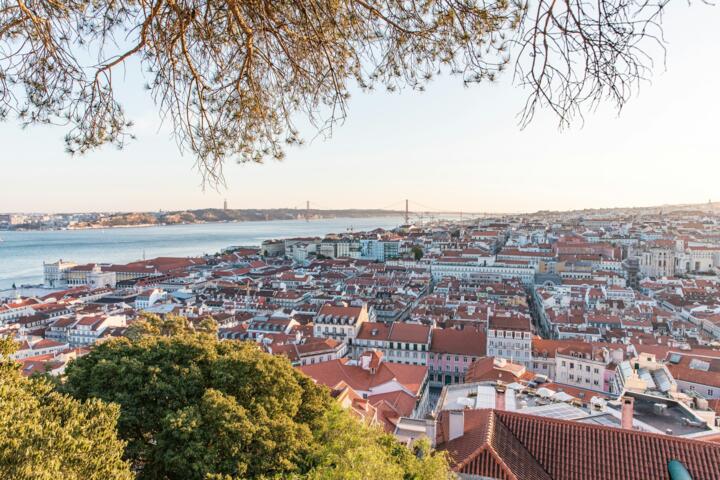
Accommodation options beyond hostels and chain hotels signal suitability for longer visits. Airbnb, serviced apartments, and guesthouses provide home-like amenities making extended stays sustainable. In Lisbon, for instance, rental costs drop by 40% for monthly versus nightly stays — a practical consideration.
Explore Natural Settings
Regions offering diverse natural sites encourage more days. Norway’s fjords, with varied trails, boat tours, and fishing villages, can fill a week’s itinerary naturally. Apps like AllTrails rank hikes by difficulty and length, guiding daily outings.
Evaluate Local Engagement Opportunities
Long stays benefit from activities that involve community, like volunteer programs, craft workshops, or language classes. Platforms like Workaway or Coursera for local language enrollers support meaningful connections, enriching experience and extending interest.
Look for Events or Workshops
Extended trips become valuable when layered with learning or participation. A trip to Berlin overlapping with a design week or music festival adds dimension. Booking events ahead via Eventbrite or the local visitor center creates structure beyond sightseeing.
Use Slow Travel Resources
Websites like Slow Travel Guide or Slow Cities Network highlight destinations embracing slower tourism rhythms, promoting longer stays. Their case studies include places in Italy and Japan that discourage rapid transit and encourage immersed visits.
Consider Repeat Visits Options
Destinations offering varied seasons or activities make repeated long stays worthwhile. Banff, Canada, is a prime example: summer hiking contrasts sharply with winter skiing. Repeat return visitors justify a longer first stay because they envision more in the future.
Assess Language Accessibility
While exotic places thrill, destinations offering some linguistic ease allow comfort longer-term. Cities with basic English signage or bilingual services reduce stress for prolonged stays. This, although subtle, can make or break length decisions.
Real-World Success Stories
Consider a mid-sized company sending staff to Lisbon for three months. Initial challenge: employee burnout from frequent short trips. They shifted to fewer, longer visits with apartments near coworking spaces and local food markets. Productivity rose 25%, and satisfaction scores improved — a side effect of the city’s livability and slower pace.
Another example: a freelance artist choosing Oaxaca for a 2-month residency rather than a 3-day trip. Access to extensive workshops, local artisans, and festivals allowed deeper skill development, reflected in a 50% increase in commissioned work post-trip. The local environment, not a fast tourist circuit, nurtured creativity.
Checklist for Longer Stays
| Factor | Signs | Impact | Example |
|---|---|---|---|
| Cultural Range | Festivals, museums, arts | Multiple engagement days | Kyoto’s temples |
| Living Options | Apartments, rental discounts | Cost-efficiency, comfort | Lisbon rentals |
| Nature Access | Trails, parks, beaches | Daily outdoor variety | Norway fjords |
| Community Activities | Workshops, language classes | Stronger local ties | Oaxaca crafts |
Pitfalls to Avoid
Trying to see everything in two days is a sure way to miss dimension. Resist cramming and respect local rhythms; chasing every highlight makes days blend. Overcommitting transport beats energy and dulls senses. Missing seasonality also depletes richness—a trip to Vermont in summer feels incomplete without fall foliage. Planning without local advice wastes trips—engage locals, read regional blogs, or use a city-specific app updated last spring (which, frankly, most people skip).
Finally, choosing a destination without assessing logistics—like internet speed for remote work—causes real trouble. Coverage maps show some rural spots have less than 10 Mbps, not enough for videoconferencing. Check, then decide.
FAQ
How long should a longer stay be?
Typically, longer stays range from one to three weeks, depending on destination size and activity variety. Smaller towns may need fewer days, while countries like Japan require more time to appreciate layers.
Do longer stays cost more?
Not necessarily. Monthly rentals and local food shopping often reduce daily expenses compared to hotel stays and tourist dining, creating financial balance over longer visits.
Are longer stays safe for solo travelers?
Yes, but safety varies by region. Research local security conditions and choose accommodations with positive reviews. Longer stays may actually enhance safety through familiarization.
Can I work remotely during longer visits?
Many destinations now accommodate remote work with coworking spaces and reliable internet. Confirm infrastructure ahead and select neighborhoods accordingly.
What should I pack differently for long stays?
Pack versatile clothing and essentials to reduce laundry needs. Bring adaptors, basic first aid, and tools for cooking or exercise at the stay location.
Author's Insight
From my trips in places like Portugal and Japan, I've learned that letting a place grow on you changes the entire journey. Short visits often feel rushed—missing the small cafés or quiet alleys that make cities breathe. Tools like Google Maps timeline help me track where I spent the most time, guiding future plans. I recommend selecting a base neighborhood and exploring it slowly, with flexibility for spontaneous discoveries.
Summary
Longer stays transform travel by unfolding complexity and deepening engagement. Prioritize destinations offering cultural richness, comfortable accommodations, and meaningful local interactions. Avoid scheduling too tightly—time is your asset. Research infrastructure and community options to pick spots suited for relaxed immersion. This approach turns short flashes into lasting memories and personal insights.