Submerged Engineering
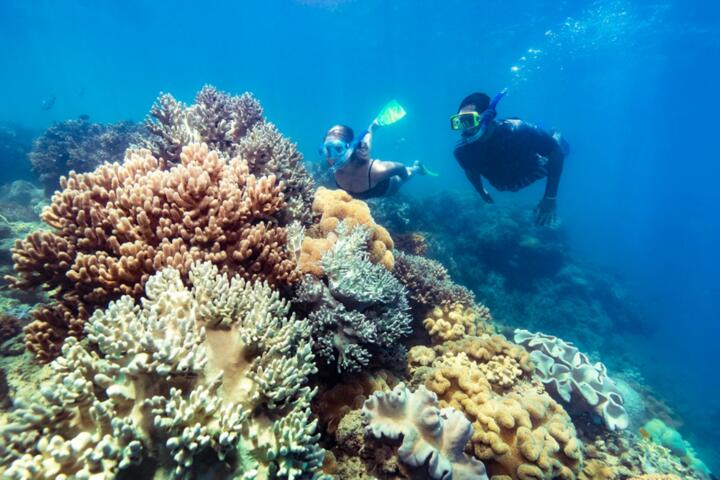
The Great Barrier Reef (GBR) presents a specific set of challenges: high visibility, diverse spectral ranges, and varying current strengths. Choosing a waterproof housing isn't just about keeping the camera dry; it’s about maintaining full tactile control over settings while under nitrogen load at 30 meters. A professional housing acts as a bridge between your creative intent and the physics of the ocean.
In my experience diving the Ribbon Reefs, I’ve seen $5,000 systems ruined because a diver prioritized price over double O-ring seals. The GBR's salinity is roughly 35 parts per thousand, which is aggressively corrosive to substandard aluminum alloys and cheap polycarbonate.
Real-world testing shows that a high-end aluminum housing can dissipate heat 30% faster than plastic alternatives. This is vital when shooting 4K/60fps or 8K video in the 28°C waters of North Queensland, where internal camera overheating often shuts down a shoot before the dive is even half over.
Tropical Photo Failures
Many divers make the mistake of choosing "universal" bags or low-grade housings that lack external access to essential dials. On the GBR, light changes rapidly as clouds pass over the surface. If you cannot adjust your shutter speed or aperture with one hand while stabilizing yourself against a current, you will miss the shot.
Another massive pain point is "fogging." The temperature differential between the warm tropical air on the boat deck and the cooler water at depth causes condensation inside the housing. Without dedicated desiccant space or a vacuum leak detection system, your lens becomes a blurry mess within ten minutes of submersion.
I once witnessed a photographer lose an entire day of shooting at Osprey Reef because a single grain of sand compromised a single-gasket seal. Without a vacuum pump system to verify the seal before hitting the water, you are essentially playing Russian Roulette with your electronics.
Advanced Marine Imaging
Selecting High-Grade Aluminum Over Polycarbonate
For serious reef exploration, milled aluminum housings from brands like Nauticam or Aquatica are the gold standard. Aluminum offers superior structural integrity at depth, ensuring that buttons don't "sticky" or compress under pressure at 40 meters.
Vacuum Detection Systems as Insurance
Modern housings now feature integrated vacuum circuits. Using a manual or electronic pump, you create a negative pressure environment inside the housing before the dive. An LED indicator (green for safe, red for leak) provides 100% certainty that the O-ring is seated correctly. This is the single most effective way to prevent equipment loss.
Optical Glass Dome Ports for Wide-Angle Clarity
To capture the scale of the Great Barrier Reef’s "Bommies," a wide-angle lens is mandatory. However, shooting through a flat port causes a 33% magnification and significant edge distortion. High-end glass domes, such as the Zen Underwater series, correct this refraction, restoring the lens's native field of view and sharpness.
Ergonomics and Cold-Water Control Layouts
Even in the warm GBR waters, you might be wearing gloves for protection against stingers or sharp coral. Professional housings utilize "piano-style" keys or oversized knobs. This allows you to toggle the "Back Button AF" or adjust ISO without looking away from the viewfinder, which is crucial when tracking a fast-moving Green Sea Turtle.
Integrating External Lighting and Strobes
The deeper you go, the more red light is absorbed by the water column. To bring back the vibrant pinks and oranges of the Acropora corals, you need external strobes like the Ikelite DS161 or powerful video lights like the Keldan Luna series. Your housing must have reliable sync cord bulkheads or fiber optic ports to trigger these lights with millisecond precision.
Heat Dissipation and Internal Airflow
High-resolution sensors generate immense heat. Aluminum housings act as a giant heat sink, drawing warmth away from the camera body and into the surrounding water. This prevents the "Overheating" warning that plagues cameras like the Sony Alpha or Canon R series when shooting high-bitrate video in the tropics.
Success Stories
Case Study 1: The Commercial Cinematographer
A production crew filming a documentary at Heron Island switched from polycarbonate housings to Seacam Silver aluminum housings for their Nikon Z9 systems.
- The Problem: Previous gear experienced button compression at 35 meters, making it impossible to switch from photo to video mode mid-dive.
- The Result: The Seacam housings allowed for 100% functionality at all depths. The crew reported a 40% increase in usable footage per dive and zero instances of overheating during 60-minute bottom times.
Case Study 2: The Prosumer Enthusiast
A hobbyist diver visiting Cairns invested in a Nauticam housing with a vacuum leak system after losing a previous camera to a hair-thin leak.
- The Problem: Recurrent anxiety about flooding was distracting the diver from their composition.
- The Result: The vacuum system provided visual confirmation of seal integrity. By using a 140mm optical glass dome, they achieved edge-to-edge sharpness that was impossible with their previous plastic flat-port setup.
Technical Checklist
| Feature | Importance | Recommended Specification |
|---|---|---|
| Body Material | Critical | Hard-anodized Aluminum |
| Seal Type | High | Double O-Ring or Vacuum System |
| Port Mount | High | Interchangeable (Bayonet or Threaded) |
| Depth Rating | Essential | Minimum 60m (even for shallow dives) |
| Control Access | Critical | 95% of camera functions accessible |
| Weight | Moderate | Neutral buoyancy (adjustable with floats) |
Preventative Measures
One of the most frequent errors is neglecting O-ring maintenance. Many divers over-grease their seals. In reality, grease is only meant to keep the rubber supple, not to act as a sealant. Excess grease attracts sand and hair, which are the primary causes of leaks. Use a lint-free cloth and a tiny "bead" of silicone.
Another error is "Rushing the Rig." Setting up a camera on a moving boat is a recipe for disaster. Salt spray, wind, and movement increase the risk of contamination. Always prepare your housing in a clean, air-conditioned environment (like your hotel room or the boat's dry cabin) at least two hours before the dive.
Lastly, never rinse your housing in the communal "camera bucket" on a dive boat without checking it first. If someone else’s gear has leaked, that bucket is now full of salt water and debris. Always use a dedicated fresh-water hose or a clean personal tub to soak your gear after every dive to prevent salt crystallization in the buttons.
FAQ
Can I use a generic waterproof pouch for diving?
Absolutely not. Generic pouches are designed for surface splashing or very shallow snorkeling. At a depth of 10 meters, the pressure is double that of the surface. A pouch will collapse against the camera, potentially crushing the lens mechanism or triggering every button simultaneously.
Why is an aluminum housing so much more expensive than plastic?
Aluminum requires CNC machining from a solid block of metal, whereas plastic is injection-molded. Aluminum offers better heat dissipation, higher depth ratings, and a lifespan that can last decades if maintained, whereas polycarbonate can crack or craze over time due to UV exposure.
Do I really need a vacuum pump?
If your gear is worth more than $1,000, yes. A vacuum pump is the only way to know for sure that your housing is sealed before you submerge. It detects tiny leaks that might only become catastrophic as the pressure increases at depth.
How do I stop my lens from fogging in the Great Barrier Reef?
Use high-quality silica gel packs inside the housing. More importantly, close your housing in a cool, dry environment. If you close the housing on a humid tropical deck, you are trapping moist air inside that will condense as soon as it touches the cool ocean water.
Is it better to have a glass or acrylic dome port?
Glass is superior for image quality and is much harder to scratch. Acrylic is lighter and cheaper but scratches easily. On the GBR, where you may be diving near abrasive coral sand, glass is the safer long-term investment.
Author’s Insight
After fifteen years of documenting the Great Barrier Reef, I've learned that your housing is more important than your camera body. A mid-range sensor in a professional housing with great optics will always outperform a flagship camera in a cheap, "clunky" case. My personal "holy trinity" of gear includes a vacuum-sealed aluminum housing, a large glass dome, and a set of carbon fiber float arms to ensure the rig is neutral in the water. If you aren't fighting your gear, you can focus on the art of the reef.
Summary
Investing in a high-quality waterproof housing is the single most important decision for any diver looking to document the Great Barrier Reef. By prioritizing aluminum construction, vacuum-seal technology, and dedicated optical ports, you protect your electronics while ensuring maximum image fidelity. Whether you are a professional or a dedicated enthusiast, the harsh conditions of the Coral Sea demand gear that performs under pressure. Focus on ergonomics and maintenance, and your underwater system will provide years of reliable service in one of the world's most spectacular environments.