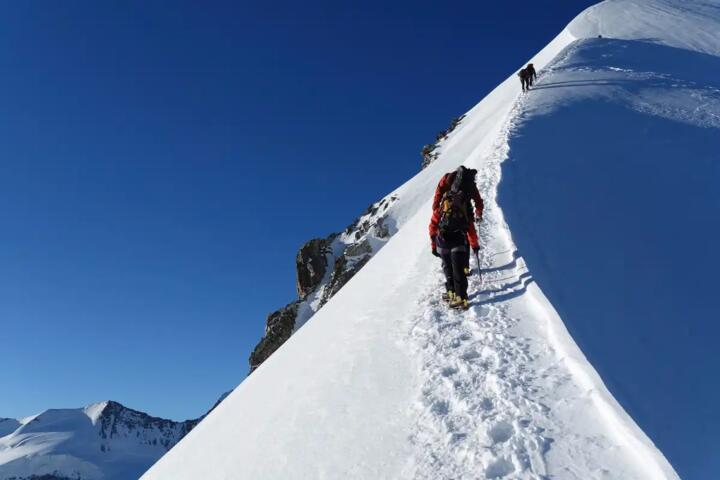
Reality of High Altitudes
High altitude begins at 2,400 meters (8,000 feet), where the partial pressure of oxygen drops significantly. Unlike common misconceptions, the percentage of oxygen in the atmosphere stays at 21%, but the lower pressure makes it harder for your lungs to absorb it. For instance, at the summit of Aconcagua, you are breathing approximately 40% less oxygen than at sea level.
In my experience leading expeditions in Nepal, I’ve seen marathon runners collapse while 60-year-old slow-walkers thrive. This happens because altitude is a "great equalizer"—it doesn't care about your VO2 max if you don't allow your blood chemistry to adapt. A study published in the High Altitude Medicine & Biology journal indicates that rapid ascent without staging increases the risk of Acute Mountain Sickness (AMS) by over 60%.
Take the "Death Zone" above 8,000 meters. Here, the body can no longer acclimatize; it is literally dying, consuming its own muscle tissue for energy. Even popular spots like Leh in Ladakh or Cusco in Peru pose immediate risks to fly-in tourists who bypass the necessary 48-hour rest window upon arrival.
Critical Errors in Ascent
The most common mistake is the "fly and hike" approach. Travelers often land in La Paz, Bolivia (3,640m) and immediately book a mountain bike tour down North Yungas Road. Within hours, they face debilitating headaches and nausea because they ignored the golden rule of "climb high, sleep low."
Ignoring early symptoms of HAPE (High Altitude Pulmonary Edema) is another fatal flaw. I have witnessed climbers dismiss a persistent dry cough as a "cold," only for it to turn into pink, frothy sputum—a sign of fluid in the lungs. At these heights, a delay in descent of just four hours can be the difference between recovery and a helicopter evacuation.
Over-reliance on medication like Diamox (Acetazolamide) is also a trend. While effective, it is a diuretic, not a magic pill. Climbers often forget to double their water intake, leading to severe dehydration and electrolyte imbalances that mimic altitude sickness, creating a dangerous cycle of self-misdiagnosis.
Physiological Impact of Hypoxia
Hypoxia triggers a cascade of events: your breathing rate increases, and your kidneys excrete bicarbonate to balance blood pH. This process takes 24 to 72 hours. If you push through this window, you risk neurological impairment where decision-making skills drop to the level of a person with a 0.10% blood alcohol content.
The Danger of Social Pressure
In group settings, "Summit Fever" often overrides logic. Climbers fear "letting down" their team or losing their permit fee (which can exceed $11,000 for Everest). This psychological trap leads people to hide symptoms until they are too incapacitated to walk, forcing a dangerous manual carry-down by Sherpas or guides.
Ignoring Micro-Climate Shifts
Destinations like Mount Kilimanjaro involve passing through five distinct ecological zones. Many fail to pack for the 30°C humidity of the rainforest and the -20°C winds of the Arctic summit zone. Heat exhaustion in the first two days often weakens the immune system, making the climber more susceptible to AMS later.
Inadequate Caloric Intake
At 5,000 meters, your basal metabolic rate skyrockets. Many trekkers lose their appetite (a side effect of AMS) and stop eating. Without a minimum of 4,000 calories a day, the body lacks the thermogenic fuel to stay warm, leading to rapid-onset hypothermia during the night.
Poor Hydration Management
You lose massive amounts of water through respiration in dry, high-altitude air. Most novices drink 2 liters a day when they need 4-5 liters. Thicker blood (polycythemia) caused by dehydration increases the risk of blood clots and strokes at high elevations.
Preparation Protocols
Success at altitude is 80% logistics and 20% physical fitness. You must implement a "staircase ascent" model. For every 1,000 meters gained, you should spend an extra night at that altitude. Services like Hypoxico offer altitude tents for pre-acclimatization at home, allowing your body to start producing more red blood cells weeks before you fly.
Nutrition must shift toward carbohydrates. Studies show that carbs require less oxygen to metabolize than fats or proteins, providing a more efficient energy source when oxygen is scarce. Use electrolyte powders like Liquid I.V. or Nuun to maintain sodium levels, as plain water can lead to hyponatremia during heavy exertion.
Invest in professional-grade monitoring. A pulse oximeter is a non-negotiable tool. If your oxygen saturation (SpO2) drops below 70% at rest, you must descend immediately. Using a Garmin inReach Mini 2 ensures you have satellite communication for emergency evacuations, as cell service is non-existent on the Huayhuash Circuit or in Upper Mustang.
The Climb High, Sleep Low Method
This is the gold standard of mountaineering. If your camp is at 4,000m, trek up to 4,500m during the day, stay for an hour, and return to 4,000m to sleep. This "pumping" action stresses the system just enough to trigger adaptation without causing a breakdown.
Pharmacological Support Strategies
Consult a doctor about Acetazolamide. It speeds up acclimatization by acidifying the blood. For emergency use only, carry Dexamethasone to treat HACE (High Altitude Cerebral Edema). These aren't supplements; they are medical interventions that require strict dosage schedules.
Physical Training Specificity
Forget flat-ground running. You need weighted step-ups and "zone 2" heart rate training. Training with a 15kg pack on a stair climber for 90 minutes mimics the slow, grinding pace of a summit bid. This builds the mitochondria density needed for low-oxygen environments.
Gear Selection for Survival
Cotton is a death sentence at altitude. Use a layering system: a merino wool base layer (like Smartwool), a down mid-layer, and a Gore-Tex Pro shell. At the Annapurna Base Camp, temperatures can swing 25 degrees in an hour; your gear must be able to vent moisture to prevent freezing from the inside out.
Mental Resilience and Pacing
Adopt the "Sherpa pace"—short, rhythmic steps where your breathing matches your movement. If you are panting, you are going too fast. Mental toughness is about the discipline to turn back when the weather or your body says "no," regardless of how much money you spent.
Expedition Cases
Case 1: The Kilimanjaro Shortcut
A private trekking group attempted the 5-day Marangu route (the "Coca-Cola" route). Due to the rapid ascent, 4 out of 6 members developed moderate AMS. They switched to the 8-day Lemosho route on their next attempt, which provides a much better "climb high, sleep low" profile.
Result: 100% summit success rate and significantly higher SpO2 readings (85% vs 72%) at Uhuru Peak.
Case 2: Corporate Logistics in Peru
A travel agency, Alpaca Expeditions, implemented mandatory Oximeter checks every evening for trekkers on the Inca Trail. They identified a client with a resting heart rate of 120 bpm and SpO2 of 65% at Phuyupatamarca (3,680m). By administering oxygen and moving the client to a lower camp immediately, they prevented a HAPE incident.
Result: Zero emergency evacuations over a 12-month period despite high client volume.
Expedition Checklist
| Category | Required Item/Action | Purpose |
|---|---|---|
| Medical | Pulse Oximeter | Monitoring oxygen saturation and heart rate |
| Medication | Acetazolamide (Diamox) | Preventing/treating AMS symptoms |
| Tech | Satellite Messenger (e.g., Zoleo) | SOS and weather updates in dead zones |
| Hydration | Insulated Water Bladder | Prevents water from freezing at sub-zero temps |
| Training | 8-12 weeks of Loaded Carries | Building specific muscular endurance |
Common Pitfalls to Avoid
Never consume alcohol for at least 48 hours after arriving at high altitude. Alcohol is a respiratory depressant that slows down your breathing while you sleep, significantly worsening nighttime hypoxia. Many tourists in Cusco drink Pisco Sours to celebrate their arrival, only to end up on supplemental oxygen by midnight.
Another error is the "macho" attitude toward supplemental oxygen. In commercial trekking, there is no shame in using a "bottled" boost if you are struggling. High-altitude guides from companies like Adventure Consultants emphasize that oxygen is a safety tool, not a sign of weakness. Refusing it when needed puts the whole team at risk.
FAQ
Is fitness a guarantee against altitude sickness?
No. Physical fitness does not correlate with how well your body chemically adapts to hypoxia. While being fit helps you recover faster, it does not prevent the underlying physiological shifts that cause AMS.
What is the "Death Zone"?
This refers to altitudes above 8,000 meters. At this height, there is insufficient oxygen for humans to survive long-term. Your body uses its oxygen stores faster than they can be replenished, making it a race against time.
Can I use portable oxygen cans?
Small "recreational" oxygen cans found in gift shops offer very little benefit. They provide a few puffs of oxygen that last seconds. For real medical issues, you need a regulated tank with a constant flow mask or a Gamow bag.
How much water should I actually drink?
Aim for 4 to 5 liters daily. You should be urinating frequently, and it should be clear. If your urine is dark, you are at a high risk for altitude complications and kidney stress.
What is the most dangerous altitude destination?
Statistically, Annapurna I has the highest fatality-to-summit ratio, but for hikers, Mount Kilimanjaro sees the most rescues because people underestimate its height (5,895m) due to the lack of technical climbing required.
Author’s Insight
After a decade of traversing the Karakoram and the Andes, I’ve learned that the mountain always has the final say. My most successful expeditions were the ones where we moved the slowest. I once spent four days just sitting at 3,500m before even touching my gear. That patience is what allowed me to summit without a headache. My best advice: listen to your body, not your itinerary. If you feel "off," you are "off." Descend, recover, and try again later—the peak isn't going anywhere.
Summary
Conquering extreme altitude requires a shift from an athletic mindset to a biological one. Respecting the 300-meter-per-day ascent rule, prioritizing complex carbohydrates, and maintaining a rigorous hydration schedule are the pillars of a safe journey. Never ignore the early warnings of AMS, and always carry satellite communication. By preparing your body through specific training and respecting the timeline of acclimatization, you can safely experience the world's most breathtaking heights. Plan for the descent as much as the ascent, and always prioritize your health over the summit.