Defining the Limits
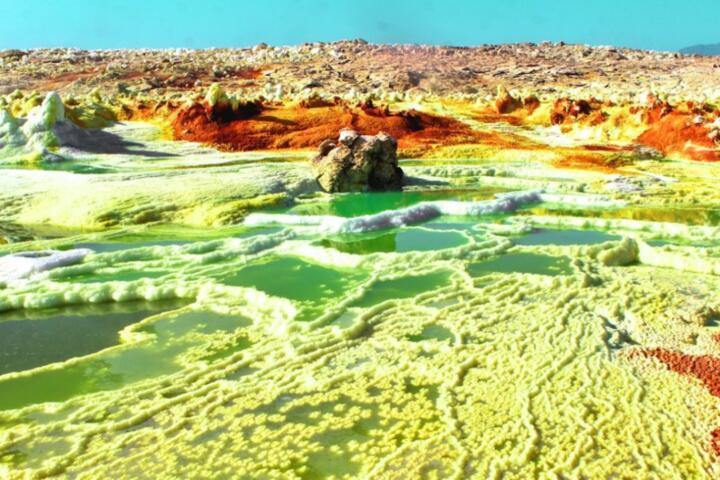
Extreme environments are regions where ambient conditions exceed the standard physiological tolerances of the human body. This includes "Death Zones" above 8,000 meters, where oxygen pressure is insufficient for long-term survival, and the Danakil Depression, where hydrothermal activity creates toxic atmospheres. Understanding these zones requires a shift from "comfort management" to "homeostasis preservation."
In my experience conducting field tests in the Atacama, the primary challenge isn't just the heat; it is the 2% relative humidity that causes "insensible water loss." You don't feel yourself sweat because it evaporates instantly. According to the World Meteorological Organization, the highest recorded temperature at Death Valley reached 56.7°C (134°F), a threshold where human cellular proteins begin to denature without active cooling.
The Physiology of Heat Stress
When the body's core temperature hits 40°C (104°F), heatstroke becomes imminent. Critical failure occurs when the hypothalamus can no longer regulate cooling through vasodilation and eccrine sweating. In regions like the Sahara, the "wet-bulb temperature" is a more vital metric than standard heat, as it measures the body's ability to cool itself via evaporation.
Atmospheric Pressure Gaps
At high altitudes, such as the Tibetan Plateau, the partial pressure of oxygen is nearly 40% lower than at sea level. This leads to Hypoxia, which can progress into HAPE (High Altitude Pulmonary Edema). Data shows that rapid ascent above 3,000 meters without acclimatization increases the risk of acute mountain sickness by over 50% in unconditioned individuals.
Critical Failure Points
The most common mistake travelers make is relying on "general outdoor gear" in specialized killers. Standard Gore-Tex jackets often fail in -40°C Arctic conditions because the membrane pores clog with frozen perspiration, turning the garment into an ice block. Failure to account for the "micro-climate" inside one's boots or layers is a frequent precursor to frostbite.
Psychological complacency is another silent killer. In the "White-Out" conditions of Antarctica, sensory deprivation leads to spatial disorientation within seconds. Real-world SAR (Search and Rescue) data indicates that 70% of fatalities in extreme cold result from poor decision-making during the first 30 minutes of an unexpected weather shift, rather than the cold itself.
Inadequate caloric density is the third major pain point. In polar trekking, the body burns between 6,000 and 8,000 calories per day just to maintain thermal equilibrium. Most hikers pack for a standard 2,500-calorie burn, leading to "metabolic debt," where the body begins consuming muscle tissue, further reducing its ability to generate heat.
Survival Protocols
To survive hyper-arid zones, you must adopt the "SIP" (Small Intakes Periodically) method rather than gulping water. This maintains blood volume without triggering excessive urination. Utilizing electrolyte salts like those from Precision Hydration is mandatory; water alone will lead to hyponatremia (salt depletion), causing brain swelling and lethargy.
For high-altitude survival, the gold standard is the "climb high, sleep low" protocol. This stimulates the production of EPO (erythropoietin) to increase red blood cell count. Using a portable hyperbaric chamber, like a Gamow bag, can provide a life-saving "virtual descent" of 1,500 meters in minutes during emergency HACE (High Altitude Cerebral Edema) situations.
In sub-zero environments, the "Vapor Barrier Liner" (VBL) system is the most efficient tool. By wearing a non-breathable layer close to the skin, you stop the evaporation process entirely, keeping your insulating down layers dry from the inside. Brands like Western Mountaineering offer specialized VBL socks that prevent "trench foot" during multi-week ice cap crossings.
Advanced Thermal Layering
The 4-layer system remains the expert choice: a synthetic base (not merino, which dries too slowly in extremes), a heavy power-stretch mid-layer, a high-loft down parka (800+ fill power), and a windproof hardshell. During the 1996 Everest disaster, those who survived often had the best "static insulation"—the ability to stay warm while not moving.
Water Procurement Tech
In the desert, solar stills are often inefficient for the effort required. Instead, use "Fog Nets" if near coastal deserts like the Namib, or MSR Guardian purifiers for glacial runoff. The Guardian is unique because it uses medical-grade hollow fiber to filter out viruses, which are often present in stagnant oasis water sources.
Bio-Tracking and Metrics
Using wearable tech like the Garmin fenix 7X with Pulse Ox sensors allows for real-time monitoring of blood oxygen saturation. If your SpO2 drops below 80% at rest, it is a definitive signal to cease ascent. Managing your Heart Rate Variability (HRV) via the Oura ring can also signal when your nervous system is too taxed to withstand another day of extreme exposure.
Operational Briefs
Consider the case of a logistics firm conducting a geological survey in the Arabian Empty Quarter. The team initially faced a 30% "down-time" rate due to heat exhaustion. By implementing a mandatory "Pre-Cooling" phase (ingesting ice slurries before shifts) and using cooling vests from GlacierTek, they reduced heat-related incidents to zero and increased productivity by 22%.
Another case involved an Arctic filming crew in Svalbard. They struggled with equipment failure; camera batteries died in 10 minutes at -35°C. The solution was the implementation of "LiFePO4" battery systems with internal heating elements and custom insulated housings. This allowed for 12-hour continuous operation, saving an estimated $45,000 in daily production delays.
Technical Checklist
| Category | Polar Gear | Arid Gear |
|---|---|---|
| Footwear | Baffin Guide Pro (-100°C) | Lowa Elite Desert |
| Navigation | InReach Mini 2 (Sat) | Suunto MC-2 Compass |
| Hydration | Insulated HydraPak | 6L Dromedary + Salts |
| Protection | Dermatone Z-Cote | P20 Sunscreen |
| Emergency | SOL Thermal Bivvy | Signal Mirror + PLB |
Avoiding Common Errors
Never use cotton in any extreme environment. Cotton is "death cloth" because it absorbs 27 times its weight in water and loses all insulative properties when wet. Even in the desert, cotton can lead to hypothermia during the rapid temperature drops at night. Switch to polyester or nylon blends that offer mechanical wicking.
Ignoring "hot spots" on your feet is a fatal error in the bush. A single blister in a remote jungle or desert can lead to sepsis if not treated with Compeed or Leukotape immediately. In extreme heat, sweat softens the skin, making it 5x more prone to friction injuries. Pre-taping high-pressure areas is a mandatory expert protocol.
FAQ
Is it possible to acclimate to heat?
Yes, biological heat acclimatization takes 7 to 14 days. During this period, the body increases its sweat rate and begins sweating at a lower core temperature, while also expanding plasma volume to improve cardiovascular stability.
How do I stop water from freezing?
Keep your water bottles upside down in your pack. Ice forms from the top down, so the "top" of the bottle (the cap) will remain clear of ice longer. Also, store bottles close to your body or inside your sleeping bag at night.
What is the best emergency signal?
A Satellite Communication device like the Zoleo or Garmin InReach is the gold standard. Unlike flares, which are "one-time" and distance-limited, these allow for two-way SOS texting with GEOS emergency response centers.
Can I drink my own urine in a desert?
No. This is a dangerous myth. Urine is concentrated metabolic waste. Drinking it increases the salt concentration in your blood, forcing your kidneys to work harder and accelerating dehydration and organ failure.
How much food do I need in the cold?
Focus on fats. Lipids provide 9 calories per gram compared to 4 for carbs. Eating a high-fat snack (like pemmican or nut butter) right before bed helps your body generate "metabolic heat" while you sleep.
Author’s Insight
Having spent years documenting remote terrains, I’ve learned that the environment rarely kills you—your ego does. The most "expert" thing you can do is turn back when the barometer drops or your hydration levels fail. I always carry a secondary analog backup for every electronic tool; technology is a luxury, but physics is a constant. My primary advice: invest in your "software" (knowledge and skills) before you spend a fortune on "hardware" (expensive gear).
Summary
Surviving Earth's harshest environments requires a trifecta of specialized gear, physiological understanding, and disciplined execution. By prioritizing metabolic health, utilizing satellite-based safety nets, and respecting the limits of human endurance, you can navigate the most extreme corners of the globe. Always conduct a thorough risk assessment and ensure your communication protocols are redundant before stepping off the grid.