Navigating the World of Mobile Cooking Gear
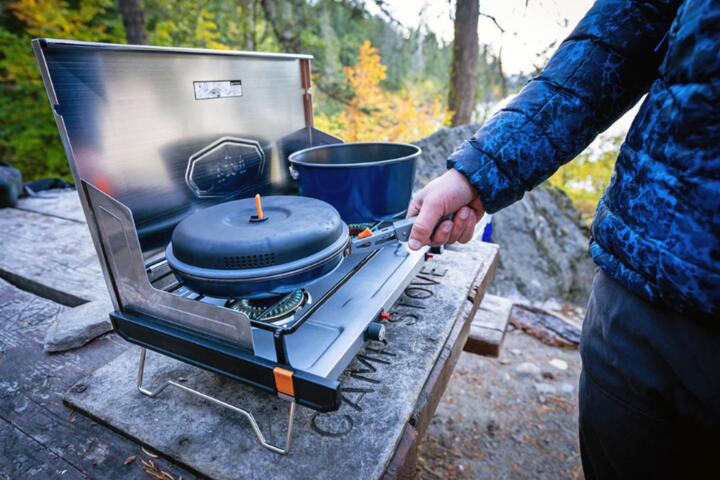
Outdoor cooking has evolved from simple open fires to precision-engineered systems capable of boiling a liter of water in under 150 seconds. Modern portable stoves are categorized primarily by their fuel source: canisters, liquid fuels, or biomass. For a weekend hiker, a canister stove offers "plug-and-play" simplicity, while an expedition climber might require a multi-fuel burner that can vaporize white gas or kerosene at $4,000$ meters above sea level.
In practice, a stove isn't just about heat; it is about efficiency. For instance, integrated canister systems like the Jetboil Flash utilize heat exchangers to achieve nearly 80% thermal efficiency, compared to the 30-40% seen in traditional open-flame burners. A real-world fact to consider: liquid petroleum gas (LPG) canisters typically lose significant pressure once temperatures drop below freezing (0°C), making fuel choice a matter of survival, not just convenience.
Common Pitfalls in Outdoor Heat Management
The most frequent mistake novices make is underestimating the "Wind Chill Factor" on fuel consumption. A moderate breeze of 8 km/h can increase fuel usage by up to 30% if the burner is unprotected. Many campers also fail to calculate their "Burn Time vs. Boil Time," leading to empty canisters halfway through a multi-day trek.
Another critical error is the "Cold Ground Effect." Placing a butane canister directly on frozen soil or snow creates a thermal sink that drops the internal pressure, resulting in a weak, sputtering flame. This often leads to users shaking the stove—a dangerous practice that can cause flare-ups. In high-altitude scenarios, the lack of oxygen can lead to incomplete combustion, producing lethal levels of carbon monoxide if used inside a tent vestibule without specialized ventilation.
High-Performance Solutions for Every Terrain
Optimizing Thermal Output in Cold Climates
When temperatures dip, you must switch to an inverted canister setup or a liquid fuel stove like the MSR WhisperLite Universal. By flipping a canister upside down, you feed liquid fuel directly to the generator loop, bypassing the pressure drop caused by evaporative cooling. This ensures a consistent flame even at -10°C.
Maximizing Fuel Economy Through Shielding
Using a dedicated windscreen—either integrated or a separate aluminum foil wrap—creates a micro-environment that traps heat. This reduces the time spent at the "simmer" stage, which is the most fuel-intensive part of cooking. On a 5-day trek, proper shielding can save up to 100g of fuel, effectively removing the need for a second canister.
Implementing Piezo-Ignition Redundancy
While many modern stoves come with built-in piezo igniters, these are notorious for failing in high humidity or at high altitudes. The expert approach is to carry a ferrocerium rod or a "storm-proof" lighter as a primary backup. This ensures you aren't left stranded when the mechanical clicker fails due to carbon buildup.
Selecting the Right Pot Metallurgy
The material of your cookware dictates heat distribution. Titanium is ultra-light but prone to hot spots, making it terrible for actual cooking but great for boiling water. Hard-anodized aluminum, used in brands like GSI Outdoors, provides the best thermal conductivity for simmering meals without scorching the base.
Transitioning to Biomass for Long-Term Sustainability
For those on "thru-hikes" lasting months, relying on gas canisters is expensive and logistically difficult. Wood-burning stoves like the Solo Stove Lite utilize secondary combustion to burn small twigs efficiently. This eliminates fuel weight entirely, though it requires dry fuel and more active fire management.
Utilizing Heat Exchange Technology
Modern flux-ring systems increase the surface area of the pot bottom. This technology, pioneered by Jetboil, cuts boil times in half. For a group of four, using a heat-exchange pot can reduce the total weight of fuel carried by nearly 25% over a week-long trip.
Field Case Studies: Performance Under Pressure
Case Study 1: The Appalachian Trail Thru-Hike
A solo hiker transitioned from a heavy multi-fuel stove to a 73-gram Soto Amicus canister stove. By switching to a high-efficiency Isobutane-Propane mix and using a heat-reflective ground pad, they reduced their pack's "base weight" by 1.2 kg. Over 2,000 miles, this saved an estimated 15% in caloric expenditure related to pack weight, with zero equipment failures reported.
Case Study 2: High-Altitude Himalayan Base Camp
A mountaineering team faced stove failure at 5,300 meters due to low pressure. They swapped standard butane for a liquid-feed MSR XGK EX. By pre-heating the fuel line with a small amount of paste, they maintained a consistent 3.5-minute boil time for 1 liter of snow-melt, ensuring the team remained hydrated in sub-zero conditions where gas canisters had previously failed.
Comparison of Cooking Systems
| Feature | Canister Stove | Liquid Fuel Stove | Wood/Biomass Stove |
|---|---|---|---|
| Best For | Weekend Hikes | Cold/Expeditions | Long-term Bushcraft |
| Fuel Type | Isobutane/Propane | White Gas/Kerosene | Twigs/Pinecones |
| Weight | 70g - 400g | 300g - 600g | 200g - 500g |
| Simmer Control | Excellent | Variable (Model-dependent) | Poor |
| Maintenance | Zero | High (Requires cleaning) | Low (Needs ash removal) |
| Boil Time (1L) | 2.5 - 5 minutes | 3.5 - 6 minutes | 8 - 12 minutes |
Common Errors and Prevention Strategies
- Over-tightening the Valve: Many users crank the stove onto the canister too hard, damaging the O-ring. This leads to slow leaks. Prevention: Finger-tight is sufficient; if you smell gas, inspect the seal immediately.
- Using Oversized Pots on Small Burners: Placing a 5-liter pot on a micro-burner causes heat to reflect downward, potentially melting the plastic components of the stove or overheating the canister. Prevention: Match pot diameter to the burner spread.
- Neglecting the "Prime" on Liquid Stoves: Skipping the pre-heating phase leads to a massive yellow fireball. Prevention: Always allow the fuel to vaporize in the generator tube for 30-60 seconds before opening the main valve.
FAQ
Can I use any brand of fuel canister with my stove?
Most modern canister stoves use a standard EN417 lindal valve thread. This means you can use an MSR canister with a Snow Peak stove, provided the thread matches. However, avoid "pierceable" canisters unless you have a specific adapter.
How much fuel do I need for a 3-day trip?
A general rule of thumb is 30 grams of fuel per person, per day for simple water boiling. If you are simmering gourmet meals or melting snow, double that estimate to 60 grams.
Why does my stove flame turn yellow?
A yellow flame indicates incomplete combustion, usually caused by a blocked jet or lack of oxygen. Clean the nozzle with a fine wire (often included in maintenance kits) and ensure you aren't at an altitude exceeding the stove's design limits.
Is it safe to cook inside a tent?
Generally, no. Beyond the fire risk, carbon monoxide (CO) buildup is a silent killer. If you must cook in a vestibule during a storm, ensure at least two points of cross-ventilation and keep the stove away from the tent fabric.
What is the best way to clean a stove after use?
For canister stoves, simply wipe the supports. For liquid fuel stoves, "shaking" the stove (if it has an internal cleaning needle) or using a dedicated tool to clear the jet is essential after every 10-15 hours of burn time to prevent soot buildup.
Author’s Insight
In my fifteen years of backcountry exploration, I've learned that the "lightest" stove isn't always the "best" stove. I once spent a miserable night in the Cascades with a 25g titanium burner that couldn't handle a slight breeze, leaving me with lukewarm coffee and crunchy rice. Now, I always prioritize a stove with a regulated valve—like the Soto WindMaster—which maintains a consistent output even as the canister empties. My advice: never sacrifice a wind-resistant burner head for the sake of saving half an ounce.
Conclusion
Choosing the right portable cooking system requires a balance of weight, fuel availability, and environmental conditions. For most, a regulated canister stove offers the best mix of efficiency and ease. However, always carry a secondary ignition source and understand the pressure mechanics of your chosen fuel. By matching your gear to your specific environment and maintaining it regularly, you ensure that every outdoor adventure is fueled by hot, nutritious meals rather than technical frustrations.