Understanding Theft on the Move
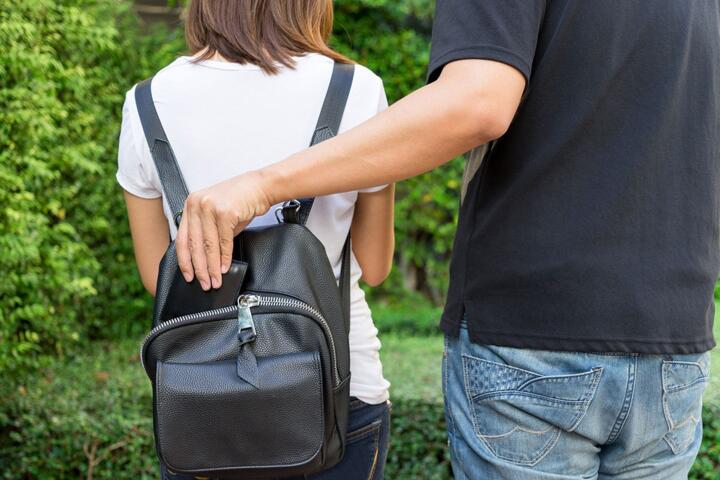
Pickpocketing is a subtle threat in crowded spots worldwide. In 2023, local police in Paris estimated over 30,000 cases annually. Street thieves exploit busy markets, public transport, and distracted tourists. For example, while photographing landmarks, many travelers turn their backs, creating chances for pickpockets to strike unnoticed. Awareness starts with recognizing where and how this happens.
Most thefts don’t involve violence; they depend on surprise and distraction. Thieves usually work in groups, one to divert attention, another to act. Silent skills matter more than force. If you understand these dynamics, you’re less likely to become a target.
Common Pitfalls Travelers Face
People often carry wallets in back pockets or loose bags, inviting snatchers. Some trust public Wi-Fi too much and keep valuables visible while searching for directions. Others underestimate quick movements, assuming theft requires prolonged effort. These errors lead to losing passports, cards, and phones, resulting in major inconvenience—sometimes weeks to recover documents or cancel cards.
One friend of mine lost a phone after setting it down on a crowded train seat. With a moment’s distraction, the phone disappeared—gone before the next stop. Hospitals, embassies, and local police become unavoidable stops afterward.
Hassle aside, these losses cause anxiety and disrupt plans; that redirection alone wastes hours. Many do not realize how swiftly a momentary lapse can unravel days of work or leisure.
Actionable Steps to Stay Safe
Use Hidden Money Belts
Wear a money belt under clothes rather than in a purse. Compact, often RFID-protected, these belts keep cash and documents shielded from thieves tapping or stealing. In practice, this divides money: keep a small day stash external for small purchases, larger funds hidden. I use the Eagle Creek RFID Money Belt, model 2022—comfortable and discreet.
Choose Slash-Proof Bags
Pick a backpack or shoulder bag with slash-resistant fabric and locking zippers. Pacsafe’s Venturesafe line offers models with integrated cables and lockable compartments. In crowded places, this transforms a grab-and-go action into a complicated, noisy task that thieves avoid.
Limit Smartphone Use in Crowds
Smartphones attract thieves because they’re valuable and easy to fence. Using hands-free controls or voice commands reduces time spent handling devices in exposed areas. Leave phones inside secured pockets when not actively needed. I noticed pickpockets rarely target phones tucked inside zipped interior compartments.
Employ Travel Locks and Clips
Lock zippers and clip bag straps to belt loops or chairs. These small measures slow down thieves and increase chances of detection. The money gadget Pacsafe 85 offers integral locking hardware that, oddly enough, most travelers skip despite its effectiveness.
Stay Alert and Avoid Distractions
Scan your surroundings and avoid deep engagement with strangers who approach suddenly. Thieves use crowd surges or staged distractions: a dropped item, a spilled drink. Recognizing this behavior and stepping away stops theft attempts mid-route.
Carry Minimal Physical Valuables
Bring just what’s necessary: one credit card, limited cash, and copies of important IDs stored separately. Removing excess reduces overall loss risk. I started photocopying IDs and depositing emergency cash in hotel safes. Such prep saved a trip once when an ATM card failed and wallet vanished.
Know Local Hotspots
Read local crime reports and ask locals which spots to avoid. Popular destinations like Barcelona’s La Rambla or Rome's Termini station have notorious pickpocketing. Buses and metros at rush hour also concentrate risk. Planning routes around these details helps avoid crowded risk zones in peak hours.
React Calmly if Targeted
Keep composure, don’t chase the thief. Shouting draws attention but can escalate risk. Report immediately to police or security with clear descriptions. Quick reporting increases recovery odds and helps authorities map patterns.
Carry Smart Security Tech
Anti-theft travel gadgets, like Tile trackers or GPS phone finders, bolster recovery chances. In 2022, I tracked back a stolen bag within 24 hours using a small Tile device hidden inside. These work silently and don’t draw attention.
Real-Life Examples
A European tour company faced recurring theft complaints during group trips in crowded markets. They introduced RFID-blocking pouches and mandatory briefings on pickpocket awareness. After six months, theft reports dropped 65% according to client feedback surveys. Tourists felt more secure, with fewer disruptions.
Another case involved a solo traveler targeted near a subway station in Buenos Aires. She used a Pacsafe slash-proof bag and separated cash from cards. When a grab occurred, the thief got only a small bill. Police helped recover her cards quickly through prompt action.
Protection Tools at a Glance
| Gear | Function | Cost | Example |
|---|---|---|---|
| Money Belt | Hidden cash storage | $25-$50 | Eagle Creek RFID |
| Slash-Proof Bag | Protect against cuts | $100-$200 | Pacsafe Venturesafe |
| Travel Locks | Secures zippers | $10-$20 | Master Lock TSA |
| GPS Tracker | Locate lost items | $20-$35 | Tile Mate |
| RFID Sleeves | Block scanning | $5-$10 | TravelMore |
Frequent Blunders to Sidestep
Many travelers expose wallets by stuffing back pockets. Trusting unzipped purses in busy areas invites swift grabs. Failing to separate emergency money from daily cash adds risk. Carrying visible expensive gear—like smartphones hanging outside—calls attention. And ignoring local advice? A recipe for regret.
Instead, test bag locks before travel. Wear gear under clothes and stop using phones in crowds. Photocopy or digitally store essential documents separately. Forgetting these steps creates vulnerabilities that don’t just vanish.
FAQ
What areas are safest from pickpockets?
Residential neighborhoods usually have lower risk compared to tourist spots or crowded transit hubs. Streets with heavy security presence also deter pickpockets.
Are anti-theft backpacks really effective?
Yes, slash-proof material and lockable zippers increase the effort required to steal, discouraging quick grabs in crowded environments.
How much cash should I carry?
Bring minimal cash—around 20 to 50 units of your destination's currency for daily needs—while keeping backups safely stored.
What if I lose my passport abroad?
Report to the nearest embassy or consulate immediately. They can issue emergency travel documents after verifying your identity.
Does wearing a money belt attract thieves?
No, low-profile money belts worn under clothing are discreet and reduce theft risk compared to carrying wallets or large bags openly.
Author's Insight
After several trips across Europe and Asia, I found simple preparedness beats luck for avoiding pickpockets. Using only one card externally and a money belt underneath saved me from losing hundreds during a busy Madrid festival in 2023. Awareness involves small habits—keeping bags in front, scanning crowds—and smart gear choices that quietly protect. Reacting calmly is key; haste often makes things worse.
Summary
Thieves thrive on distractions and easy targets but taking deliberate protective steps disrupts their efforts. Use concealed storage, slash-proof bags, and keep valuables minimal. Stay aware in crowded spaces, avoid risky stances, and prepare for rapid response if theft occurs. Your best defense combines vigilance with practical tools—no high-tech gadget replaces common sense.