Setting Up for Travel
Travel starts well before the airport or highway. The night before a long trip holds weighty influence over the day ahead. Packing bags carefully, confirming reservations, and getting rest all influence how smoothly things will flow. According to a 2022 survey from the AAA, nearly 75% of travelers report feeling last-minute stress that impacts their trip start. My own habit includes laying out travel clothes precisely, setting out passports and tickets visibly, and double-checking electronics to avoid missing chargers (I keep a spare USB-C cable labeled ""v2.3""—just my routine). You want to start the day with as many low-friction steps done as possible.
It means creating an environment that invites calm, mental preparedness that anticipates possible hurdles, and space for quality sleep. Examples include writing a very brief checklist of last tasks or mapping the journey to the terminal, taking about 90 minutes in the evening for physical preparation, and dimming screens an hour before bed to cue the body for rest.
Missing Key Prep
People often underestimate preparation time or assume they’ll handle tasks in the morning. This forgetfulness leads to rushed exits, forgotten items, or worse—missing flights. When your phone battery dies or the car won’t start because you didn’t test it, this compounds stress. In one story shared on a popular travel forum, a commuter packed everything nicely but forgot to bring her medication, starting a 1200-mile trip in distress.
The consequences go beyond discomfort. Delays cause expenses, lost business, or vacations limited by fatigue. Consider this: a 2019 report from the International Air Transport Association found that 40% of missed flights were due to passengers arriving late because of poor night-before planning. You discover you forgot small but impactful items — chargers, documents, or travel adapters — most overlooked but repeatedly causing hassle.
Steps to Prepare Well
Organize Documents Early
Lay out passports, tickets, boarding passes, visas, and any paperwork precisely. Use a clear pouch or dedicated travel wallet, like a Bellroy Travel Folio, and assign a specific spot at home. Doing this the night before means no panic searching later. Data shows that travelers who pack documents ahead reduce check-in time by up to 15 minutes.
Prepare Clothing and Gear
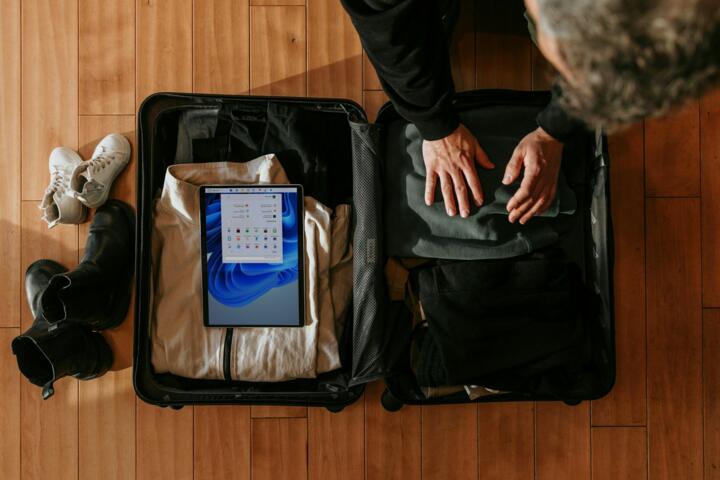
Pick outfits fitting the weather and itinerary, then place them where you’ll dress in the morning. Sneaker scuffs get a quick wipe, backpacks zip checked, and gadgets packed in cases. It’s better to handle laundry or needed gear changes at night. One example: If you pack electronics last minute, you risk forgetting plugs—consider a setup like Anker’s 4-port USB-C charger, which minimizes gear bulk.
Recharge Essentials Overnight
Phones, laptops, headphones – plug these in. It’s the simplest prep, yet one most travelers skip. A drained phone makes navigation and ticket access a challenge. This practice helped me once during a layover where a drained phone required me to hunt for a rental charger costing almost $40. Last night’s plug-in avoided that entirely.
Review Your Itinerary
Set aside 10 minutes to run through flight status, accommodation details, and transportation booking. Apps like TripIt or Google Trips summarize these neatly and send updates that cut confusion on travel day. Confirm airport terminal or gate number changes. You might catch something others miss and have time to adapt.
Set Multiple Alarms
Missed wake-ups are common. Put two or three alarms spaced 5 minutes apart on your phone, or a physical alarm clock if available. This creates a buffer rather than sole reliance on one device — especially when your travel start time requires a 4 AM wake-up.
Hydrate and Light Meals
Drink water steadily but avoid heavy meals or alcohol late at night. Dehydration or indigestion wrecks sleep quality, affecting alertness the next day. Research from the National Sleep Foundation suggests that up to 15% of poor sleep cases in travelers come from these avoidable causes. A banana or a small bowl of oatmeal does more good than late pizza.
Wind Down Properly
Switch off screens at least 30 minutes before bed; blue light messes with melatonin production. I like reading a physical book—recently “Travel by Wifi” by Jessica Klein, which, honestly, slowed me down better than my phone’s dark mode ever did. Calm breathing exercises also help — just five minutes lowers heart rate and preps rest.
Minimize Morning Decisions
To save decision fatigue, prep breakfast or quick snacks in advance. Coffee measured out, or a store-bought protein bar ready. It’s less likely you skip food or stress searching for something to eat.
Pack a Emergency Kit
Include travel-size hygiene items, medicines, and a power bank. This kit, ready from your last trip, means even last-minute mishaps cause little delay. You might add a laminated copy of emergency contacts, physical maps, or a printed itinerary—old school but sometimes effective.
Snapshots of Real Trips
A business consultant from Chicago once forgot to charge his laptop and missed a critical presentation the next day. After switching to a routine of charging all devices plus a power bank nightly, he reduced tech-related stress by 90%, measured through his planner notes over six trips. Or take a family road trip example: they prepared car snacks, printed directions, and packed luggage the night before, which saw them save 45 minutes at morning departure and eliminate the usual squabble over forgotten items.
Checklist Before Departure
| Task | Status | Tools/Items | Notes |
|---|---|---|---|
| Documents | Packed | Travel wallet, phone app | Check expiration |
| Clothing | Outfitted | Luggage, laundry done | Weather check done |
| Electronics | Charged | Chargers, cables | Backup power bank |
| Food & Hydration | Prepared | Snacks, water | Light meal at night |
| Sleep Plan | Scheduled | Sleep mask, breathing app | Screen off 30min early |
| Alarms | Set | Phone, clock | Multiple alarms |
Where Travelers Misstep
Waiting until morning to pack is the top error. It creates a cascade of panic and forgetfulness. Not checking flight status or terminal changes is another, crossing fingers that nothing shifts. Assuming technology will just work is a gamble; low batteries or lost chargers force improvisation or delays. Some carry too many gadgets and get weighed down, not realizing a simpler gear load cuts both physical and mental burden.
The rush to bed late—watching one more show—interrupts deep sleep. This minor but reckless choice leads to grogginess that lasts half a day. Planning hydration casually leads to fatigue, headaches, or mood swings, tripping up both business and leisure travelers.
FAQ
What should I pack the night before?
Packing essentials including clothing, chargers, documents, toiletries, and any medication prepares you for the trip. Avoid last-minute additions to reduce stress.
How much sleep do I need before a trip?
Most adults function best with 7 to 8 hours. Sleep quality matters more than quantity; quiet, dark environments help achieve restorative rest.
Are multiple alarms necessary?
Yes. Multiple alarms spaced a few minutes apart guard against accidental oversleeping and device failures.
Should I eat before bed?
Light, healthy snacks promote better sleep. Avoid heavy or spicy meals that may cause indigestion and disrupt rest.
How early should I start preparing?
Start several days ahead with big tasks like laundry and packing. The night before focuses on final checks, documents, and rest.
Author's Insight
From years of travel, I've learned that the night before sets the trip tone. I used to underestimate how much last-minute packing hurts the journey, but planning essentials and charging devices every night dramatically diminished chaos. Sleep routines different from home require discipline, especially managing screen time. A checklist saved my sanity once during a fledgling trip in 2018 when I accidentally left my passport out; triple checking made it foolproof afterward.
Summary
Preparing thoughtfully the night before a trip reduces stress, missed flights, and fatigue. Organize documents and gear early, recharge electronics, and plan rest deliberately. Use alarms and a checklist. Avoid last-minute rush and decisions. Traveling well starts long before the vehicle moves.