Travel Sleep Challenges
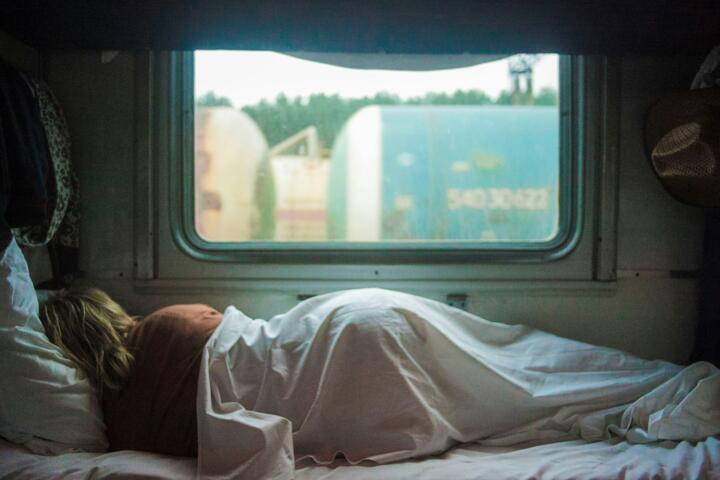
Sleeping during travel rarely matches the quality of home rest. According to a 2022 survey by the National Sleep Foundation, over 60% of travelers report poor sleep on trips lasting more than three nights. The problem stems from conditions like noise, lighting, and unfamiliar beds. Jet lag from crossing time zones further disrupts circadian rhythms, making restful sleep elusive.
Imagine landing in a bustling city after a 10-hour flight and struggling to fall asleep in a hotel room with street sounds. You try to nap on a red-eye flight but find it nearly impossible due to cramped seats and dry air. These practical scenarios illustrate issues affecting sleep quality.
Common Sleep Issues
Many travelers underestimate how factors like light exposure and irregular meals disturb sleep. Stress about schedules adds mental noise, worsening sleep onset. The wrong mattress firmness or room temperature often triggers tossing and turning. Jet lag causes hormone imbalances, delaying melatonin release up to 48 hours after arrival in a new time zone.
Ignoring these leads to fatigue, lowered alertness, and slower recovery from travel activities, which impacts productivity and enjoyment. Business travelers miss meetings while tourists waste daytime due to grogginess or headaches. The result is a cycle of poor rest and subpar health.
Tips for Better Sleep
Optimize Your Sleep Environment
Bring a travel pillow and a compact white noise machine like the LectroFan to buffer disruptive sounds. Opt for blackout eye masks to block unfamiliar light—some Samsung sleep apps even recommend specific wavelengths to encourage melatonin. Set hotel room temperature between 65-68°F, proven to aid deep sleep, using smart thermostats where possible.
Adjust Sleep with Light
Expose yourself to bright natural light upon arrival to reset internal clocks quickly, especially after crossing multiple time zones. For example, if you land at 8 a.m., spend 30 minutes outside before noon. Avoid screens at least an hour before planned bedtime. Blue light blockers or glasses filtering 400–500 nm wavelengths help dim alerting effects.
Consistent Sleep Schedule
Travel days blur routine, but sleeping at consistent times supports circadian rhythms. Even a 30-minute advance or delay in sleep time can stabilize sleep cycles. Jet lag apps like Timeshifter suggest tailored schedules, including meals and naps, to hasten adjustment with over 85% effectiveness in trials.
Smart Eating and Hydration
Heavy meals near bedtime impair sleep, while dehydration, common in flights due to dry cabin air, disrupts rest and increases awakenings. Drink water steadily but taper close to sleep to avoid interruptions. Light snacks with tryptophan sources like turkey or bananas promote serotonin production, improving sleep onset latency by roughly 15 minutes.
Manage Stress and Relax
Breathing exercises and mindfulness apps like Headspace reduce cortisol levels. Pre-sleep meditation, even 10 minutes, can shorten sleep onset time by 40% in travelers. Avoid caffeine at least six hours before bedtime; a surprising number of people consume late coffee when travel demands long days.
Choose the Right Accommodations
Hotels with soundproofing or quiet zones make a real difference. Airbnb listings with reviews mentioning restful nights often indicate peaceful surroundings. In cities, booking accommodations away from nightlife—say, 500 meters or more—reduces noise disruptions. Personally, I avoid rooms facing busy streets.
Strategic Napping
Short naps of 20-30 minutes help combat accumulated fatigue without interfering with nighttime sleep. Napping too long or too late in the day often delays sleep onset. In a 2019 study, controlled naps improved overall alertness by 34%. Carry a compact eye mask and earbuds to create a micro-environment for naps anywhere.
Use Sleep Tracking
Wearables like Oura Ring or Fitbit track sleep stages and disturbances. These devices, though not infallible, give actionable insights about patterns disrupted on trips. Adjust routines based on metrics like light sleep duration and wake-up frequency. I used Oura v3 during a recent 14-day trip—it showed how skipping evening light delays bedtime by hours.
Consider Supplements with Caution
Melatonin supplements can help acclimate to new time zones. Effective dosages range from 0.5 to 3 mg, taken 1-2 hours before target bedtime in the new zone. Avoid high doses or extended use, which can desensitize receptors. Valerian root and magnesium have softer effects but may aid relaxation. Always consult a doctor before using.
Examples in Practice
A consulting firm arranged frequent short stays for overseas employees, leading to chronic fatigue and errors. They introduced a protocol: sleep masks, brief light exposure walks, and timed melatonin. Eight weeks in, productivity improved by 22% and self-reported fatigue dropped 35%.
On a five-week backpacking trip, applying consistent sleep times and using a travel white noise app prevented jet lag symptoms despite crossing three time zones. Sleep quality scores on a Garmin watch averaged 8 out of 10 versus 5 previously.
Checklist for Restful Travel
| Factor | Action | Tools/Notes | Outcome |
|---|---|---|---|
| Noise | Use white noise | LectroFan, Apps | Reduce wake-ups |
| Light | Blackout mask + daylight | Samsung Sleep App | Melatonin reset |
| Schedule | Maintain consistent bedtime | Timeshifter app | Stable circadian |
| Hydration | Drink water regularly | Avoid caffeine late | Fewer awakenings |
| Relaxation | Pre-sleep meditation | Headspace app | Faster sleep onset |
Sleep Mistakes to Avoid
Loud environments are often just tolerated. Don’t rely on earplugs alone—they leak and can be irritating. Another failure: inconsistent sleep timing due to late meetings or socializing. Many travelers skip checking hotel sound ratings or neighborhood noise levels, which results in worthless bookings for rest.
Skipping hydration or caffeine withdrawal after flying typically worsens grogginess. Using electronics shortly before bedtime also scrambles brain signals, reducing melatonin by an average 23%. Planning naps without boundaries leads to deeper grogginess.
FAQ
How does jet lag affect sleep?
Jet lag disrupts your internal clock, delaying melatonin production and causing difficulty falling asleep and waking. Adjusting sleep with light exposure helps realign it quickly.
Is melatonin safe during travel?
Short-term use (up to 3 mg) is generally safe for adults. It may reduce jet lag symptoms but should not be mixed with alcohol or certain medications.
Can noise machines improve sleep?
Yes, white noise and pink noise mask disruptive background sounds. Studies show they reduce midnight awakenings by nearly 30% in travelers.
What meal timing supports better sleep?
Avoid heavy meals within 3 hours before bedtime. Light snacks with tryptophan can promote relaxation and better sleep onset.
Does napping hurt nighttime sleep?
Short naps up to 30 minutes improve alertness without delaying nighttime sleep. Longer or late naps might disrupt your schedule.
Author's Insight
As someone who travels monthly for work, I’ve battled jet lag and crappy hotel rooms. Small tools like a good eye mask and white noise app helped me sleep when everything else failed. I find light exposure at the right time resets my body. And yes, skipping caffeine after noon, though boring, saved me from several exhausting mornings.
Summary
Sleeping well on the road demands more than luck. Control your environment; regulate light and meals; and keep schedules steady. Avoid noise and stress by preparing with gear and apps. When you adapt quickly, your trips feel more productive and less draining. Try layering these steps to reclaim your rest, wherever you go.