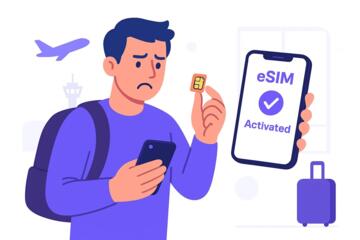
Staying Connected Abroad
Staying connected abroad usually means three things: voice calls, messaging, and mobile data for maps, translation, and ride-hailing apps. The bill grows when your phone uses cellular roaming for background tasks like app updates, cloud backups, and photo uploads. A practical approach separates what truly needs mobile data from what can run on Wi‑Fi or offline downloads.
For example, you can keep messaging reliable by using Wi‑Fi for chat apps and turning off cellular data for specific apps. You can keep navigation usable by downloading offline maps before departure. You can keep travel documents accessible by storing PDFs in your phone and syncing only when you reach Wi‑Fi.
On many phones, the biggest savings come from one habit: checking the roaming data setting and the “data usage” screen before you land. I’ve seen travelers arrive with roaming enabled by default, then wonder why a 10-minute airport session turned into a multi-day charge.
Main Problems And Pain Points
People often underestimate how roaming billing works. Carriers typically charge per megabyte for data when roaming, and the phone may use small amounts repeatedly in the background. Even if you “don’t use the internet,” your device can still fetch email headers, refresh location services, or download thumbnails.
Another common issue is mixing Wi‑Fi and cellular without controlling app behavior. Many apps switch networks automatically, then continue downloading over cellular when Wi‑Fi drops. That behavior is normal, but it defeats the plan unless you set app-specific data permissions.
Dependencies matter too. Reliable connectivity depends on the phone’s network settings, the carrier’s roaming agreements, and the availability of Wi‑Fi in the places you actually spend time. In some areas, Wi‑Fi exists but is slow or captive-portal based, which can delay logins and cause apps to retry over cellular.
Finally, travelers sometimes buy the wrong “data plan” for their usage pattern. A short trip with heavy navigation needs a different setup than a week of mostly messaging. If you choose a plan based on days alone, you can still overspend when your phone uses more data than expected.
Solutions And Advice
Set Roaming And Data Limits
Before travel, open your phone’s settings and check roaming data and data roaming controls. On iPhone, look for “Cellular Data Options” and confirm roaming is off if you plan to use Wi‑Fi only. On Android, check “Mobile data” and “Data roaming,” then review per-app permissions under “Data usage.”
Turn off background data for apps that do not need it. Common candidates include social media, shopping apps, and cloud photo backup. If you use navigation, keep only the navigation app allowed to use data, and download offline maps first.
Set a data limit or warning if your phone supports it. A mild frustration: the phone’s counter tracks device usage, not carrier billing, so it can under-report or over-report. Still, it helps you catch runaway background usage early.
As a small aside, I often see people miss the “System Services” category on Android, which can include location and network scanning. If you rely on offline maps, you can reduce data use without losing location accuracy.
Choose SIM Or eSIM Wisely
If you need reliable mobile data away from Wi‑Fi, compare three options: your home SIM with roaming, a local SIM, or an eSIM. Local SIMs and eSIMs usually cost less for data-heavy trips, but they require setup and sometimes a compatible phone model.
Check carrier compatibility before you buy. Many eSIM providers require your phone to be unlocked and support specific eSIM profiles. If you travel on a locked device, you may end up stuck with roaming or forced to wait for a physical SIM.
For cost control, choose a plan that matches your expected data use. A typical navigation session can consume more data than messaging, while offline maps reduce that. If your plan includes a daily cap, watch for throttling after the cap; it can still work for messaging but may slow video calls.
As an incidental detail, some travelers buy an eSIM on the day they land and then lose time because the activation flow depends on a stable Wi‑Fi connection. Planning activation before departure can prevent that delay.
Use Wi‑Fi Calling And Offline
Wi‑Fi calling routes voice and sometimes SMS over Wi‑Fi instead of cellular roaming. Availability depends on your home carrier and your phone model, so test it before you leave. If Wi‑Fi calling is enabled, you can keep calls stable in hotels and cafes without paying roaming for voice.
For messaging, many apps work over Wi‑Fi with end-to-end encryption, but they still need internet access for sending and receiving. If you rely on SMS for two-factor authentication, confirm whether your carrier supports roaming SMS at a reasonable rate or whether you can switch to an authenticator app that works offline.
Offline downloads reduce both data use and connection failures. Download offline maps, saved transit routes, and language packs when available. Store key documents offline: boarding passes, hotel addresses, and emergency contacts. Offline access does not remove the need for internet entirely, but it shrinks the moments you must use cellular data.
One practical number: offline maps can be tens to hundreds of megabytes depending on the region. Downloading on Wi‑Fi before you travel avoids roaming charges and prevents the “download started over cellular” surprise.
Control App Behavior On Arrival
After you land, check the network indicator and confirm whether your phone is on Wi‑Fi or cellular. Then review app data usage for the first few hours. Many phones show a “last 24 hours” usage view; use it to spot unexpected spikes.
Disable automatic updates over cellular. On both iOS and Android, you can set app updates to Wi‑Fi only. Turn off cloud photo backup until you reach Wi‑Fi, since uploads can happen in the background and consume data in bursts.
For email, switch to manual sync or reduce fetch frequency if your provider supports it. If you need urgent messages, you can still receive them on Wi‑Fi without letting the phone poll constantly on cellular.
When you use ride-hailing or navigation, keep the app in the foreground and avoid leaving it to refresh repeatedly. Background refresh rules vary by phone version, and some settings names change between iOS 17 and iOS 18-style updates.
Case Examples
Weekend City Trip With Wi‑Fi
A traveler spends two nights in a city with frequent hotel and cafe Wi‑Fi. They keep roaming off, connect to Wi‑Fi on arrival, and use offline maps for walking routes. They use chat apps over Wi‑Fi and store hotel and transit addresses offline. The only cellular use is emergency calls via Wi‑Fi calling, which their home carrier supports.
Outcome: the bill stays low because the phone avoids roaming data for background tasks, and the traveler avoids video calls on cellular. The trade-off is that they must remember to download offline content before leaving and to reconnect to Wi‑Fi when they move between neighborhoods.
Two-Week Trip With Daily Navigation
A traveler plans daily navigation, frequent photo uploads, and occasional video calls over a two-week trip. They buy an eSIM with a data allowance before departure, then disable roaming on the home SIM. They download offline maps for the main areas but still use online routing for traffic updates.
Outcome: costs become predictable because the eSIM plan sets a data budget. The trade-off is setup time and the need to verify the phone is unlocked and supports the eSIM profile. If Wi‑Fi is available, they still switch to Wi‑Fi for large uploads to avoid hitting the data cap early.
Comparison Table And Checklist
| Option | Best For | Main Cost Risk | What To Check |
|---|---|---|---|
| Home SIM Roaming | Short trips, light data use | Background data and per‑MB charges | Roaming data rate, roaming SMS rate, data limit options |
| Local SIM Or eSIM | Data-heavy trips away from Wi‑Fi | Setup delays, plan mismatch, throttling after cap | Phone unlock status, coverage, data cap behavior, activation steps |
| Wi‑Fi Calling + Offline | Trips with reliable Wi‑Fi | Apps switching to cellular when Wi‑Fi drops | Wi‑Fi calling support, app cellular permissions, offline map downloads |
Step-by-step checklist you can follow on travel day:
- Confirm your phone is unlocked if you plan to use a local SIM or eSIM.
- Turn off roaming data if you plan to rely on Wi‑Fi, then test Wi‑Fi calling before leaving home.
- Download offline maps and any language packs on Wi‑Fi.
- Set app updates and cloud photo backup to Wi‑Fi only.
- After landing, verify the active network and check “last 24 hours” data usage for the first apps you opened.
- Keep SMS and two-factor authentication plans ready, since some services do not work over chat apps.
Common Mistakes
One mistake is leaving roaming enabled “just in case.” That choice often leads to small background usage that accumulates into a larger bill, especially when multiple apps refresh while you sleep.
Another mistake is assuming Wi‑Fi means no data charges. Captive portals, weak signals, and automatic network switching can push traffic onto cellular without obvious warnings. If you depend on Wi‑Fi, set app permissions so the phone cannot use cellular for nonessential apps.
People also forget two-factor authentication. If you use SMS codes and roaming SMS is expensive, you can lock yourself out of accounts. Plan an alternative method such as an authenticator app or a backup recovery option before you travel.
Finally, travelers sometimes ignore the difference between “data” and “voice/SMS.” A plan can look cheap for data while voice or SMS roaming costs remain high. Check the carrier’s rate sheet for each service type, not only the data price.
FAQ
How can I stop apps using roaming data?
Disable cellular data for specific apps in your phone’s app data permissions, and set app updates and cloud photo backup to Wi‑Fi only. Then check the “mobile data usage” screen after arrival to catch unexpected background activity.
Is Wi‑Fi calling free abroad?
Wi‑Fi calling typically uses your Wi‑Fi connection and avoids cellular roaming charges for voice, but your home carrier may still apply fees or require registration. Confirm support and pricing with your carrier before travel.
Do I need a local SIM if I have offline maps?
Offline maps reduce navigation data use, but you still need internet for tasks like live traffic, ride-hailing, and some messaging. If you mostly walk and use Wi‑Fi, roaming can stay off; if you need real-time services, a local SIM or eSIM can be cheaper.
Will an eSIM work on a locked phone?
Most eSIMs require an unlocked device. Check your phone’s unlock status and the eSIM provider’s compatibility list before purchase to avoid activation failures.
What data usage should I expect for navigation?
Online navigation can use more data than messaging because it fetches map tiles and traffic updates. Offline maps cut that substantially, but you may still use data for live traffic and rerouting when available.
Author's Insight
Cost control abroad comes down to controlling two layers: the carrier billing rules and the phone’s behavior. Carrier plans vary by country and service type, so reading the roaming rate sheet matters more than relying on a single “data bundle” headline. Phone settings matter because background refresh, cloud sync, and app retries can consume data even when you are not actively browsing.
Offline maps and Wi‑Fi calling reduce the moments you need cellular, but they do not replace all connectivity needs like two-factor authentication. A practical plan combines offline downloads, app-specific data permissions, and a backup communication method for SMS codes.
Key Takeaways
- Turn roaming data off when you plan to rely on Wi‑Fi, then restrict cellular access per app.
- Download offline maps and store key documents before departure to reduce data spikes.
- Choose between roaming, local SIM/eSIM, and Wi‑Fi calling based on your actual usage pattern.
- Check data usage after landing and plan for SMS and two-factor authentication ahead of time.