Packing Defined
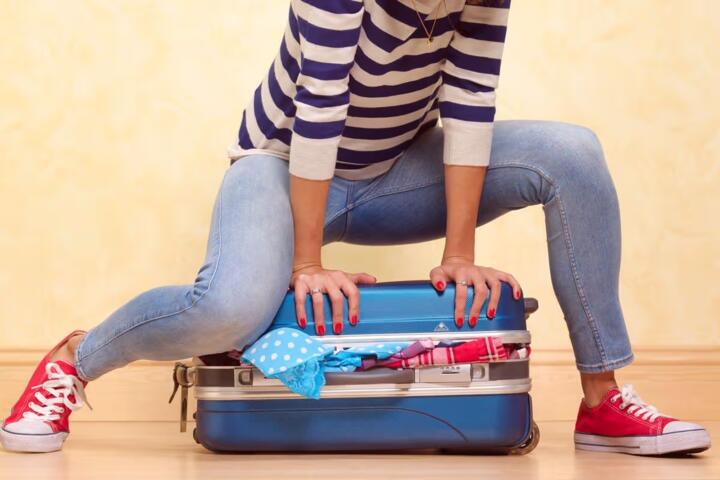
Smart packing means bringing exactly what you need, no more, no less. Overpacking floods your luggage with unnecessary items that rarely get used. For instance, a 2019 Travel + Leisure survey found that 55% of travelers regret packing items on their trips. Practical examples include carrying three outfits for a two-day business trip versus a suitcase bursting with options for every possible occasion.
Travelers often confuse being prepared with overloading. A carry-on weighing exactly 7 kilograms can save you hours at the airport, compared to a checked bag crammed to the limit. Packing well reduces stress and cuts costs.
Why Packing Goes Wrong
The main problem arises from poor planning. People pack to feel secure, stuffing clothes ""just in case"". This behavior causes heavy bags, excessive fees, and strain on the back. Consequences spill over into travel experience—slower check-ins, lost items, and higher fatigue levels. For example, one frequent flyer I know struggled for months due to chronic shoulder pain linked to repetitive overpacking.
Another pitfall is ignoring weight limits on airlines like Ryanair or Southwest, which can lead to surprise fees up to $75 per checked kilogram. This matter matters a lot when budgets tighten. Packing too many gadgets or shoes is often a trap. Traveling light keeps options open, encourages mobility.
Ways to Pack Smart
Assess the Trip Length
Start by counting days and the nature of your activities. A four-day sightseeing trip in Barcelona requires fewer items than two weeks in Alaska. Stick to a 3-to-1 ratio: three outfits for every day, includes layering options. Apps like PackPoint, version 5.2, use weather data to guide choices.
Choose Versatile Clothing
Packing items that mix and match reduces total pieces. Neutral colors pair easily; wrinkle-resistant fabrics like merino wool cut down ironing needs. I personally rotate four tops, two bottoms for every week-long business trip, adding accessories only. This saves at least 40% space compared with non-coordinated packing.
Use Packing Cubes
They save space and speed packing, even if they seem trendy. A set of 6 cubes shrinks disorganized bundles into neat blocks fitted tightly inside suitcases. Airlines like Delta accept one personal bag plus a carry-on; cubes help you optimize within these limits. On a side note, the wrong cube size—too large—makes packing clumsy, a trap I've fallen into.
Limit Shoes to Two Pairs
Extra shoes often bulk up bags unnecessarily. One pair of walking shoes plus one dress or casual pair covers most scenarios. Each extra pair adds about 0.5 kg and several liters volume. Dropping even one pair frees up space for essentials like chargers or books.
Digitize Documents and Books
Carrying heavy books and printed maps is outdated. Use apps like Kindle or Google Maps offline modes. A tablet weighing under 0.5 kg replaces paperbacks and manuals, reducing overall weight and clutter.
Pack Toiletries Smartly
Utilize travel-sized containers and consolidate products. For example, a 100ml bottle of shampoo suffices for a week. Avoid duplicates—carry toothpaste that doubles as a mild cleanser. Avoiding oversized or multiple bottles reduces leaks and bulk.
Plan for Laundry
Booking accommodations with laundry facilities cuts down needed wardrobe volume. Washing clothes every 3 days lets you pack half the typical number of garments and still stay fresh. This approach works well for extended stays or backpacking.
Choose Lightweight Luggage
Lightweight suitcases or backpacks, like those from Samsonite's Cosmolite line (1.9 kg), shrink your base weight dramatically. Heavier luggage eats into airline allowance and adds to fatigue. Consider endurance when selecting models.
Review Your List Last Minute
Almost never pack exactly what you planned on the first go. Strip down the list by removing items used only in theory. I find removing one-third of items on day of departure helps balance needs versus wants.
Concrete Examples
ABC Consulting sent their team of five to an international conference with individual luggage limits of 15 kg. Initially, everyone stayed on the fence, packing in case opportunities arose. They switched to smart packing after a workshop, cutting average bag weights to 9 kg and reducing check-in times by 40%. They saved over $500 in excess baggage fees and cut late arrivals by 20%.
A solo traveler on a three-week road trip in New Zealand started overpacking shoes and clothes but found herself lugging a 23 kg suitcase through airports and rental cars. Adopting a minimalist approach after week one, she repacked down to a 12 kg backpack, which was a relief—and her mobility and satisfaction improved noticeably.
Packing Comparison
| Feature | Smart Packing | Overpacking | Impact |
|---|---|---|---|
| Bag Weight | 7–10 kg | 15–25 kg | Less fatigue, fees |
| Items Packed | 15–20 | 40+ | Simpler choices |
| Luggage Mobility | Easy carry | Bulky, hard to handle | Saves time |
| Fees Risk | Minimal | High risk, costly | Budget control |
Avoid These Errors
Overpacking starts with poor list discipline and emotional attachment to items unlikely to be used. Avoid excess by sticking to a checklist created days earlier. Ignoring airline restrictions also spells trouble—check size and weight limits yourself instead of trusting just word of mouth.
Another error: last-minute packing marathons, which lead to grabbing random items indiscriminately. Lastly, variable weather expectations without backup plans lead to over-layering. Instead, prepare one layering piece plus a waterproof jacket.
FAQ
How many outfits should I pack?
Pack about one outfit per day plus two extras for emergencies or changes in plans.
Can I carry liquids in a carry-on?
Yes, but containers must be 100 ml or less and fit into a single 1-liter clear bag, per TSA rules.
What’s the best way to avoid overpacking shoes?
Limit yourself to two pairs: one casual and one formal or activity-specific pair.
Are packing cubes worth it?
Yes. They compress items and organize your suitcase, saving space and hassle.
How do I pack tech gadgets efficiently?
Bring multi-use devices, use protective sleeves, and charge all gadgets fully before travel.
Author's Insight
Through years of consulting and my own travel, I've learned that deciding what not to pack matters as much as what to pack. I once traveled with three jackets for a week in Paris, none very useful. Cutting that down to one made a huge difference. Smart packing gave me back freedom and energy—something no gadget can replace.
What to Remember
Smart packing trims weight, cuts costs, and improves travel quality. Avoid the temptation to pack ""just in case"". Opt for versatile clothing, efficient tools like packing cubes, and plan laundry breaks. Stay aware of airline limits and resist bulky duplicates. By learning from others’ mistakes and applying clear strategies, you gain control over your luggage—and your trip.