Secure Lodging Basics
In high-risk zones, a bed is not just a place to sleep; it is a tactical position. Understanding the difference between "perceived safety" (gates and guards) and "structural safety" (blast-resistant glazing and standoff distances) is vital. For instance, in Kabul or Erbil, a branded international hotel might offer luxury, but its high visibility makes it a primary target for VBIED (Vehicle Borne Improvised Explosive Device) attacks.
Practitioners distinguish between "Hardened Sites," like fortified compounds, and "Low-Profile Sites," such as unmarked apartments. Data from the 2024 Global Peace Index indicates that 67% of incidents involving foreigners in conflict zones occur during transit or at static residences lacking multi-layered perimeter defense. Strategic selection reduces this vulnerability by creating a "buffer" between the guest and the external threat environment.
Critical Vulnerabilities
The most common mistake is the "Brand Trap"—assuming that a five-star global chain automatically equates to five-star security. Many international hotels in high-risk regions are franchises that lack the rigorous physical security audits seen in their Western counterparts. Relying on local staff who haven't been vetted through a background check service like HireRight or Sterling can lead to internal reconnaissance leaks.
Another failure point is poor floor selection. Travelers often request higher floors for the view, forgetting that local fire department ladders in developing nations rarely reach above the 6th or 7th floor. Conversely, the ground floor is susceptible to forced entry and shrapnel from street-level blasts. Ignoring "Standoff Distance"—the space between the street and the building—is a fatal error during a car bomb event.
Real-world consequences are stark. In the 2019 DusitD2 complex attack in Nairobi, the layout of the facility allowed attackers to penetrate deep into the lobby. Those who survived often did so because they were in rooms with reinforced doors or had pre-planned evacuation routes to "safe rooms." Lack of a secondary egress point remains the leading cause of entrapment during targeted sieges.
Tiered Safety Solutions
International Protected Zones
In cities with extreme volatility, staying within a "Green Zone" or a gated diplomatic enclave is the gold standard. These areas, like the International Zone in Baghdad, utilize T-walls, biometric checkpoints, and 24/7 armed patrols. While isolation is high, the probability of a large-scale breach is statistically lower than any other option.
Hardened Corporate Housing
Managed corporate apartments through providers like SilverDoor or Oakwood often offer better security than hotels. They provide a "low-profile" appearance while maintaining high internal standards. Look for buildings equipped with Shatter Resistant Film (SRF) on windows and "Man-Trap" airlock entries that prevent unauthorized tailgating into the lobby.
Fortified Global Hotels
If choosing a hotel, opt for those on the "Approved List" of major NGOs or government agencies. These facilities usually feature Delta Scientific wedge barriers, under-vehicle inspection mirrors, and X-ray baggage scanners. Ensure the hotel uses an encrypted key-card system (like VingCard) to prevent easy room duplication by local criminal elements.
Monitored Private Villas
For long-term stays, a private villa with a dedicated security detail is often safer than a public hotel. Use services like Control Risks or GardaWorld to perform a Residential Security Survey (RSS) before move-in. Essential features include a 3-meter perimeter wall, topped with "concertina" wire, and a dedicated panic room with an independent satellite phone and medical kit.
Short-Term Low-Profile Rentals
Sometimes, blending in is safer than standing out. Using high-end rentals but scrubbing the digital footprint is key. When booking through platforms, use a pseudonym and ensure the property is not at a known landmark. This "Grey Man" approach works well in regions where anti-Western sentiment makes large hotels lightning rods for protests.
Operational Success Cases
A mid-sized energy firm operating in the Cabo Delgado region of Mozambique moved their team from a local hotel to a modular, "hardened" camp designed by MSS Global. The hotel they vacated was later breached during a period of civil unrest. By utilizing a camp with clear sightlines, controlled entry points, and a private airstrip, the firm maintained 100% personnel safety despite the surrounding instability.
In another instance, a media team in Kyiv utilized a "Safe House" strategy during the 2022 escalation. Instead of the high-profile Hyatt, they chose a basement-level apartment with reinforced concrete ceilings. When nearby structures suffered glass damage from shockwaves, the team remained protected by the subterranean architecture and pre-installed ballistic shutters. Total investment in security upgrades was $4,500, preventing potentially life-threatening injuries.
Selection Framework
| Accommodation Type | Primary Security Benefit | Key Risk Factor | Recommended For |
|---|---|---|---|
| Fortified Hotel | Blast mitigation & heavy perimeter | High-profile target for terror | Short-term business (1-7 days) |
| Corporate Apartment | Anonymity & vetted neighbors | Varies by building management | Medium-term (1-6 months) |
| Diplomatic Enclave | Military-grade protection | Restrictive movement/Access | Government/High-level NGO |
| Private Villa | Complete control over guards | High overhead & maintenance | Executive leadership/Teams |
Evading Common Pitfalls
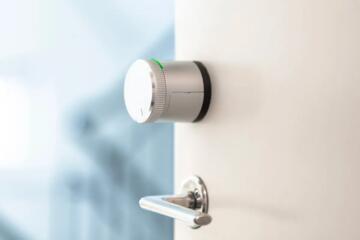
Never share your room number aloud in the lobby or with "friendly" locals at the bar. It sounds cliché, but social engineering is the primary method for gaining access to secure rooms. Always use a door wedge or a portable travel lock (like the Addalock) to prevent "master key" entries while you are sleeping. This simple $20 tool provides a final mechanical barrier that electronic systems cannot override.
Avoid rooms near elevators or at the end of long hallways. Elevators are high-traffic areas for surveillance, and end-of-hall rooms can leave you trapped if an intruder enters from the only exit point. Aim for the 3rd to 5th floors, near an emergency staircase. Regularly check that fire exits aren't chained shut—a common and deadly practice in many budget-constrained high-risk jurisdictions.
FAQ
Which floor is statistically safest in a high-risk hotel?
The 3rd to 5th floors are ideal. They are high enough to be out of the reach of casual street-level intruders and blast fragments, but low enough for emergency services to reach and for you to evacuate via stairs if the elevators fail.
Should I use armored transport to reach my accommodation?
Yes, the "last mile" is the most dangerous. If the region is rated Level 4 by the U.S. State Department, an armored vehicle (B6/B7 level) should be arranged through a reputable provider like G4S to ensure you aren't intercepted between the airport and your secure base.
Are Airbnbs safe for high-risk travel?
Generally, no. Airbnbs lack standardized security audits, fire safety equipment, and vetted staff. Unless the host is a known security professional, the risks of "insider threat" or inadequate physical protection are too high for professional missions.
What is a "Safe Room" in a residential context?
It is a designated area within your suite or villa, reinforced with a solid core door, heavy-duty deadbolts, and independent communications (sat-phone). It is designed to hold you for 30-60 minutes until a Quick Reaction Force (QRF) arrives.
How do I verify a hotel's security before arrival?
Request their "Security Annex" or ask if they have been audited by a third party like Safehotels. If they cannot explain their vehicle screening process or CCTV retention policy, they are likely not prepared for high-level threats.
Author’s Insight
In my fifteen years of managing logistics in West Africa and the Middle East, I’ve learned that security is a feeling, but safety is a science. I once stayed in a "luxury" hotel in Bamako that had a massive gate but kept the side kitchen entrance wide open for deliveries—a classic "hollow shell" security flaw. My advice: always conduct your own "walk-around" upon arrival. If the fire exit is blocked or the guards are sleeping, move out immediately. Trusting your gut is good, but verifying the deadbolt is better.
Summary
Selecting accommodation in high-risk regions requires a shift from comfort-centric to survival-centric thinking. Prioritize properties that offer multi-layered defense: physical barriers, electronic surveillance, and vetted human intelligence. Before your next trip, audit your stay using the 3rd-5th floor rule, invest in portable door locks, and always ensure a secondary evacuation route is viable. True security is not found in a brand name, but in the rigorous application of these protocols.