Portable Germicidal Tech
UV-C light operates in the wavelength range of 200 to 280 nanometers. Unlike UV-A or UV-B, which reach the Earth's surface from the sun, UV-C is absorbed by the atmosphere but remains a potent tool for laboratory-grade disinfection. When a wand emits light at approximately 254 nm, it penetrates the thin cell walls of bacteria and the protein coats of viruses. This energy disrupts the molecular bonds in their DNA or RNA, creating thymine dimers that prevent the pathogen from replicating. In the context of a rental property, a "dead" virus is one that cannot infect a guest because its genetic blueprint is shattered.
In practical terms, using a UV-C wand isn't about a quick "wave" of light. It is about "dosage," which is the product of intensity and time. For instance, to achieve a 99.9% reduction of Staphylococcus aureus, a surface typically needs a dose of roughly 6,600 $\mu$Ws/cm². Modern high-output wands allow a user to achieve this in 5 to 10 seconds of exposure at a distance of 1 to 2 inches. Real-world testing by third-party labs, such as SGS or Intertek, confirms that professional-grade portable lamps can eliminate pathogens that standard lysol wipes might miss, particularly in porous fabrics or deep crevices of electronics.
A 2023 study published in the Journal of Photochemistry and Photobiology highlighted that portable UV-C devices reduced surface bioburden in hospitality settings by up to 85% when used as a supplement to manual cleaning. This is critical because manual wiping often spreads bacteria across a surface rather than removing it, a phenomenon known as "cross-contamination."
Microbial Management
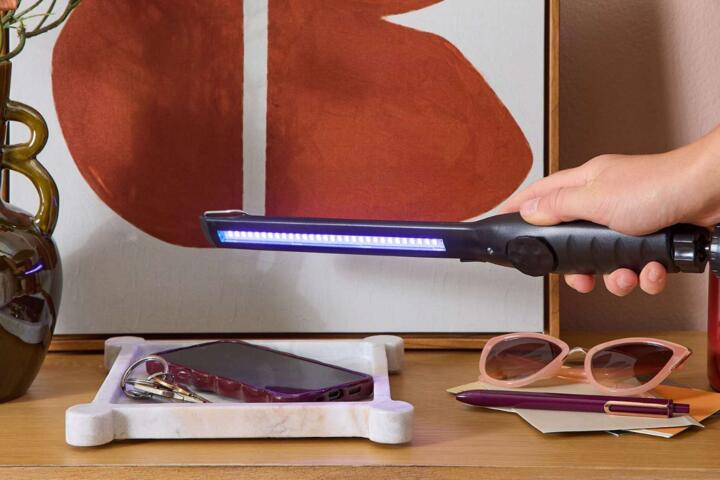
The primary mistake made by amateur cleaners and rental hosts is the reliance on "consumer-grade" wands found on discount marketplaces. Many of these devices use purple LEDs rather than mercury vapor lamps or specialized UV-C LEDs. These fake devices emit light in the 395-405 nm range (visible violet light), which has zero germicidal effect. Using these creates a false sense of security, leaving guests exposed to norovirus or influenza strains that remain active on "sanitized" surfaces.
Another significant issue is the lack of understanding regarding "shadowing." UV-C light only kills what it hits. If a host scans a TV remote but misses the undersides of the buttons or the crevices between the casing, the disinfection is incomplete. Furthermore, organic matter like dust, grease, or fingerprints can shield microbes from UV rays. If a surface isn't physically wiped clean of debris first, the UV-C light will reflect off the dust particles, leaving the pathogens underneath completely untouched.
The consequences of improper use extend to safety. UV-C is harmful to human skin and eyes. Using a wand without an integrated gravity sensor—which automatically shuts the light off if it is turned upward—can lead to accidental photokeratitis (corneal burns) or erythema (skin redness). In a rental environment, leaving a high-powered wand accessible to guests without clear instructions or safety locks is a liability risk that many hosts overlook until an incident occurs.
Surface Sterilization
To maximize the utility of a UV-C wand, one must follow a "Double-Pass" protocol. First, perform a standard microfiber wipe-down with a neutral cleaner to remove physical bio-films. Second, follow up with the UV-C wand to target the microscopic remnants. This is particularly effective for items that cannot be wet-cleaned, such as velvet headboards, intricate light switches, and the interior of microwave vents.
Selecting Hardware with Verified Output
When choosing a device like the 59S X5 Disinfection Wand or the Sterilray Sapphire, look for the EPA Establishment Number. This ensures the manufacturer is registered and the device meets basic regulatory standards. The 59S X5 is popular among Airbnb "Superhosts" because it utilizes 20 high-power LEDs and includes a physical safety lock. For larger rental operations, the The Germ Reaper or high-output mercury lamps from American Ultraviolet provide the intensity needed to cover larger areas like mattresses in seconds rather than minutes.
Optimizing the Kill Zone
Distance is the most critical variable. The "Inverse Square Law" applies here: if you double the distance from the surface, you reduce the intensity of the light to one-fourth. To sanitize a rental's kitchen counter, keep the wand within 1 inch of the surface. Moving at a rate of approximately 2 inches per second ensures the surface receives the joules required to denature hardy spores like C. diff.
Protecting Sensitive Materials
While UV-C is excellent for glass, metal, and most plastics, prolonged exposure can degrade certain materials. Repeated high-intensity cycles on natural silk or certain low-grade rubbers can cause yellowing or brittleness. In a rental space, focus the wand on high-touch points (handles, faucets, thermostats) rather than doing "blanket" sweeps of decorative art or delicate fabrics.
Verifying Results with Dosimeter Cards
Expert cleaners don't guess; they measure. Using UV-C Dosimeter cards (like those from Intellego Technologies) is the most reliable way to prove a wand is working. Place a yellow card on the surface; as it receives the correct dose of 254 nm light, it changes color to orange or pink. This provides visual evidence that the "invisible" cleaning has actually occurred, which can be documented for guest peace of mind.
Integration into Turnover Workflows
The most efficient way to use a wand is during the "final walk-through." Once the room is staged, the cleaner moves through the space with the wand, hitting the "last touch" items: the hairdryer handle, the coffee machine buttons, and the alarm clock. This ensures that even the cleaner’s own fingerprints are sanitized before the guest arrives.
Implementation Cases
A boutique property management firm in Orlando, managing 40 high-end villas, implemented the use of Sanidyne Portable Area Lamps and hand-held wands during the 2024 flu season. Prior to this, their "Cleanliness" rating on major booking platforms averaged 4.7/5. After incorporating a 10-minute UV-C protocol for every turnover and mentioning this in their listing description, their rating rose to 4.9/5 within three months. They reported a 15% increase in re-bookings from guests citing "hygiene confidence" as a primary factor.
In a second case, a digital nomad co-living space in Lisbon used CleanTrust wands to sanitize shared workstations. They placed UV-C dosimeter stickers on the underside of desks to audit their cleaning staff’s performance. They found that staff initially only covered 40% of the surface area. By using the stickers as a training tool, they achieved 95% coverage, resulting in a documented 30% decrease in "office-wide" colds among residents during the winter quarter.
UV-C Wand Comparison
| Feature | Consumer Grade (Low End) | Professional Handheld (Mid) | Industrial/Medical Wand (High) |
|---|---|---|---|
| Lamp Type | Violet/Purple LED | Genuine 260-280nm LED | Mercury Vapor Tube (254nm) |
| Power Output | < 2 Watts | 5 - 10 Watts | 20+ Watts |
| Safety Features | None | Gravity Sensor & Child Lock | Shielded Housing & Timers |
| Battery Life | 30 - 60 Minutes | 2 - 3 Hours | Corded or Swappable Packs |
| Ideal For | Personal cell phones | Short-term rental turnovers | Medical clinics & gyms |
| Price Range | $20 - $40 | $80 - $180 | $350 - $900+ |
Mistakes to Avoid
Using a wand on wet surfaces is a common error. Water can refract the UV-C light, significantly reducing its effectiveness. Always ensure surfaces are completely dry before beginning the irradiation process. Additionally, never attempt to sanitize "air" with a wand. These devices are designed for surface contact; the air moves too quickly and the volume is too large for a handheld wand to provide a sufficient dose to airborne pathogens.
Ignoring the "bulb life" is another silent failure point. UV-C lamps, especially mercury vapor tubes, lose their intensity over time. A bulb may still glow blue (which is just visible light added for safety) but stop emitting the germicidal 254 nm wavelength. Most professional wands are rated for 8,000 to 10,000 hours. Keep a log of usage and replace the bulbs or the device every 12-18 months in a high-volume rental environment to ensure you aren't just waving a blue light around.
FAQ
Does UV-C light kill bed bugs in rental properties?
While high doses of UV-C can eventually kill bed bugs and their eggs, a handheld wand is not an effective primary treatment. The bugs hide deep inside mattress seams and wooden frames where the light cannot reach. UV-C should be viewed as a microbial sanitizer, not a pest control solution.
How do I know if my wand is actually emitting UV-C?
You cannot see UV-C light. The blue or purple glow is a "safety phosphor" or visible LED added by the manufacturer. To verify output, you must use a UV-C sensitive dosimeter card or a digital UVC radiometer. If a wand claims to work but doesn't change the color of a calibrated dosimeter card, it is likely a fake.
Is it safe to use UV-C on my guest's electronics?
Yes, UV-C is generally safe for laptops, tablets, and phones. Unlike liquid disinfectants, it won't seep into the circuitry or damage the oleophobic coating on screens. It is the preferred method for sanitizing delicate electronics that would otherwise be damaged by alcohol or bleach.
Can I use the wand while guests are in the room?
It is not recommended. While the wand is directional, there is always a risk of "scatter" or accidental exposure to the eyes. For the best safety profile, use the wand during the turnover period when the property is vacant, or ensure you are in a separate room from others.
How long does it take to sanitize a standard hotel room?
Using a high-output professional wand, focusing only on high-touch surfaces (door handles, remote, light switches, faucet, toilet handle, desk surface), the process takes approximately 5 to 7 minutes. Attempting to sanitize every square inch of the floor or walls is unnecessary and inefficient.
Author’s Insight
In my years evaluating hospitality technology, I’ve seen the "hygiene theater" trend come and go. However, UV-C is not theater; it is physics. My personal rule of thumb is that if a device weighs less than a smartphone and costs less than a decent dinner, it’s probably a toy, not a tool. I always carry a pack of dosimeter cards in my travel kit because I've found that even some "high-end" hotels use underpowered equipment. If you are a host, invest in a corded mercury vapor unit for the best results; the raw power beats battery-operated LEDs every time for heavy-duty turnover work.
Summary
UV-C sterilizer wands represent a significant leap in maintaining the sanitary integrity of rental spaces. By moving away from cheap consumer knockoffs and adopting professional-grade hardware and protocols, hosts can provide a verifiable level of safety that exceeds standard cleaning. The key to success lies in understanding the relationship between distance, time, and surface preparation. To implement this effectively, purchase a wand with a verified 254 nm or 265 nm output, use dosimeter cards to train cleaning staff, and focus on high-touch zones that are often neglected by manual wiping. This proactive approach not only protects guest health but also serves as a powerful differentiator in a competitive rental market.