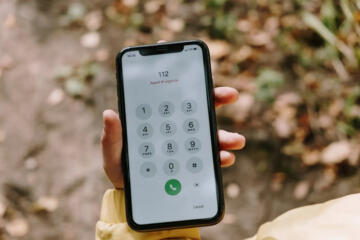
Business Travel Insurance And eSIM
Business travel insurance covers risks that disrupt work trips, such as medical treatment abroad, emergency transport, trip delays, and sometimes lost or stolen devices. An eSIM is a digital SIM profile that activates mobile data on a compatible phone, often with country-specific plans. These two topics intersect because connectivity affects how quickly you can contact insurers, locate clinics, submit documents, and manage travel changes. For example, a policy may require you to call an assistance number within a time window after an incident, and an eSIM plan can reduce delays caused by roaming setup. A practical approach is to treat eSIM readiness as part of your travel risk plan, not as a separate shopping task.
Main Problems And Pain Points
Travelers often assume that “international coverage” means every scenario is covered the same way in every country. Many policies cover emergency medical treatment abroad, but they differ on pre-existing conditions, coverage limits, and whether you must use a specific provider network. Another common misunderstanding involves trip disruption: insurers may cover delays caused by certain events, yet exclude delays tied to routine schedule changes or reasons outside the policy’s defined triggers.
Connectivity adds its own failure modes. An eSIM plan can be active but still unusable if the phone’s network settings, APN profile, or carrier provisioning fails. Some plans also restrict tethering, which matters for laptops used for work. If you rely on a single device for both business access and insurance communications, losing that device or having it offline can slow down claim paperwork. I’ve seen travelers lose time because they activated an eSIM at the airport and only then discovered their phone model was missing the right carrier profile—annoying, and it rarely matches the timeline described in the carrier’s help page.
Insurance and eSIM also depend on supporting technologies that people rarely check. Insurance claims often require proof: invoices, medical reports, police reports for theft, and sometimes a claim form submitted through an insurer portal. eSIM service depends on the phone’s eUICC support, the carrier’s provisioning system, and local network availability. If your policy requires pre-authorization for certain treatments, you need reliable access to the insurer’s assistance line and the ability to send documents. That’s where a stable data connection matters, even if the incident itself is medical rather than technical.
Solutions And Advice
Verify Coverage Triggers First
Start with the policy wording for medical and trip disruption. Look for the sections titled “Emergency Medical,” “Pre-existing Conditions,” “Trip Delay,” “Cancellation,” and “Baggage or Personal Effects.” Confirm whether the policy covers treatment costs directly or reimburses you after the fact, and check any limits on hospital types or countries. If you have a chronic condition, read the clause that defines “pre-existing” and the documentation required. For business travelers, also check whether work-related travel is treated the same as leisure travel under the policy’s definitions.
Practical outcome target: before departure, you should know the exact phone number for assistance and the documentation list for at least one scenario (medical incident or theft). Many insurers provide a “claims checklist” PDF or a portal guide; save it offline. On my last review of a common insurer portal layout, the document upload step referenced “JPG/PNG/PDF” and a file size cap around 10–20 MB per file, which affects how you scan receipts.
Set Up eSIM Before Departure
Activate the eSIM profile before you leave your home country, then test it in a low-stakes setting. Confirm that mobile data works, that you can send a message or make a call over the cellular network, and that the phone can access the insurer portal URL without captive-portal issues. If you use a laptop for work, test tethering because some eSIM plans restrict it. On iOS, you can check the cellular line status in Settings; on Android, the exact menu varies by manufacturer, but the goal stays the same: verify data is routed through the eSIM line.
Practical outcome target: complete a “connectivity rehearsal” at least 24 hours before travel. If activation fails, you still have time to switch to an alternative plan or request a replacement profile. A small aside: I once saw a traveler’s eSIM show “active” while data failed due to an APN mismatch; the carrier support article mentioned APN settings, but the phone UI hid them behind an advanced menu.
Plan Claim Documentation Workflow
Decide how you will capture evidence during an incident. For medical claims, keep receipts, itemized bills, and any discharge summaries. For theft or lost devices, document the event with a police report when required and record the device identifiers if you have them. For trip delays, save proof such as airline delay confirmations, boarding passes, and hotel change receipts. If your insurer uses an online portal, scan documents in a consistent format and keep filenames that match the claim categories.
Practical outcome target: create a folder structure before travel, such as “Medical,” “Delay,” “Theft,” and “Receipts.” Use a scanner app that exports PDF reliably; some apps behave differently depending on iOS version or Android security settings. I’ve noticed that on iOS 17.x, some scanning apps default to HEIC images inside PDFs, which can confuse older insurer upload systems.
Match Policy Limits With Travel Reality
Compare policy limits to the countries and activities in your itinerary. Medical costs vary widely by destination, and some policies cap emergency medical expenses at a level that may not cover extended hospital stays. Check whether the policy covers emergency dental, ambulance transport, and repatriation. For business trips, also check whether the policy covers missed connections that affect work commitments, and whether it covers additional accommodation costs for delays.
Practical outcome target: if your trip includes higher-risk activities (driving rental cars, remote work sites, sports), ensure the policy’s exclusions do not conflict with your plan. If you rent a car, verify whether the policy covers liability-related expenses or whether it only covers personal injury and medical costs. The wording matters, and the insurer’s definition of “accident” can differ from everyday language.
Case Examples
Delayed Flight With Work Impact
A team member travels from London to Madrid for a client meeting. The flight is delayed by several hours due to operational issues. The policy covers “trip delay” only when the delay meets a minimum threshold and when the cause matches the policy’s listed triggers. The traveler documents the delay with the airline’s delay certificate, saves hotel receipts for the extra night, and submits the claim through the insurer portal. The eSIM plan is active before departure, so the traveler can access the insurer’s claim portal immediately after landing and upload documents the same day.
The lesson is not that eSIM “fixes” insurance coverage. It reduces the time between an incident and the paperwork step, which can matter when insurers request documents quickly.
Medical Visit and Device Theft
A consultant on a business trip in Singapore visits a clinic for an acute issue and later reports a stolen phone. The policy covers emergency medical treatment abroad but requires pre-authorization for certain non-emergency services. The consultant calls the assistance number from the eSIM line and receives guidance on where to go for treatment. After the theft, the consultant files a police report and provides the insurer with the device details and the timeline of events. Because the eSIM was set up in advance, the consultant can still access email and the insurer portal while the replacement phone is being arranged.
This scenario shows how connectivity supports the claim process, while coverage still depends on the policy’s medical and theft clauses.
Comparison Table And Checklist
| Decision Point | Insurance Check | eSIM Check | What To Do Before Travel |
|---|---|---|---|
| Emergency medical | Confirm medical coverage limits, pre-authorization rules, and exclusions for pre-existing conditions | Test data access and the ability to call the insurer assistance number | Save assistance number offline; rehearse a portal login |
| Trip delay | Check delay thresholds, covered causes, and reimbursement categories | Confirm you can access airline updates and email while abroad | Create a “Delay” folder for receipts and certificates |
| Lost or stolen device | Verify whether personal effects coverage applies and what proof is required | Plan for remote access and account recovery if the phone is gone | Record IMEI/serial; set up device tracking and backup |
| Work connectivity | Check whether the policy covers missed work-related commitments (often limited) | Test tethering and data speed expectations for your tasks | Carry an offline plan for critical documents and meeting notes |
Step-by-step checklist you can follow the week before departure:
- Read the policy sections for medical, delay/cancellation, and personal effects, then highlight the exact exclusions and required documentation.
- Write down the insurer assistance phone number and the claim portal URL, then store both offline.
- Activate the eSIM profile at least 24 hours before travel and test data, calls, and tethering if you use a laptop.
- Prepare a document capture workflow: scan receipts, save PDFs, and keep filenames aligned with claim categories.
- For device risk, record IMEI/serial and set up remote lock and backup so you can still access accounts if the phone is lost.
Common Mistakes
People often buy an eSIM plan based on price per gigabyte without checking coverage quality in the specific destination. Network congestion and indoor signal loss can turn “active data” into unusable data, which then delays insurer contact. Another mistake is assuming that an insurer will accept screenshots as proof of medical costs; many claims require itemized invoices and may reject incomplete documentation.
Some travelers also misread “pre-existing condition” definitions. Policies may require that conditions be stable for a set period before travel, and they may require medical records from a clinician. If you skip that step, the claim can be reduced or denied even when the medical event is clearly related to a known condition.
Device theft claims often fail due to missing documentation. Insurers may ask for a police report, a timeline, and proof of purchase or device value. If you rely on the phone for everything and the phone is stolen, you still need a backup method for claim submission and account access. That’s why offline copies of key documents and a secondary email address matter.
FAQ
Does Travel Insurance Cover eSIM Costs?
Most travel insurance policies cover medical and trip-related risks rather than telecom plan purchases. Check the policy’s “personal effects” and “other expenses” sections; eSIM fees are usually treated as normal travel expenses, not insured losses.
Will I Need Data to Call Insurer Assistance?
Many assistance numbers accept calls over cellular voice, which can work even if data is limited. Still, some insurers use web forms or require document uploads, so reliable data helps for claim submission and follow-up.
Can I Claim If My Phone Is Stolen?
Some policies cover lost or stolen personal effects, but they often require a police report and proof of ownership. Coverage varies by policy wording, exclusions, and whether the device was secured appropriately.
What If My eSIM Plan Fails Abroad?
Use a backup plan such as a second carrier profile, a pre-arranged roaming option, or an offline method to access key documents. If you need insurer assistance, try the phone number first; if that fails, use any available Wi‑Fi and the insurer’s documented contact methods.
Do Pre-Existing Conditions Always Get Denied?
Not always. Many policies cover pre-existing conditions under specific conditions such as stability for a defined period and documentation requirements. The policy wording determines whether coverage applies and what evidence is needed.
Author's Insight
Business travel insurance and eSIM service sit in different parts of the travel stack, yet both affect how quickly you can respond to incidents. Insurance coverage depends on policy definitions, exclusions, and documentation rules, while eSIM performance depends on phone compatibility, carrier provisioning, and local network availability. A practical synthesis is to treat connectivity as a claim workflow enabler: test it early, store contact details offline, and prepare evidence capture before anything goes wrong. When you read policy documents, focus on the clauses that trigger coverage and the proof requirements that decide whether a claim moves forward.
Key Takeaways
- Confirm medical, delay, and personal effects coverage in the policy wording, including exclusions and required documentation.
- Activate and test your eSIM before departure, then rehearse the insurer contact and claim portal steps.
- Prepare a document workflow for receipts, medical records, and theft reports so uploads happen quickly.
- Avoid assuming that connectivity fixes coverage; it mainly reduces delays in communication and paperwork.