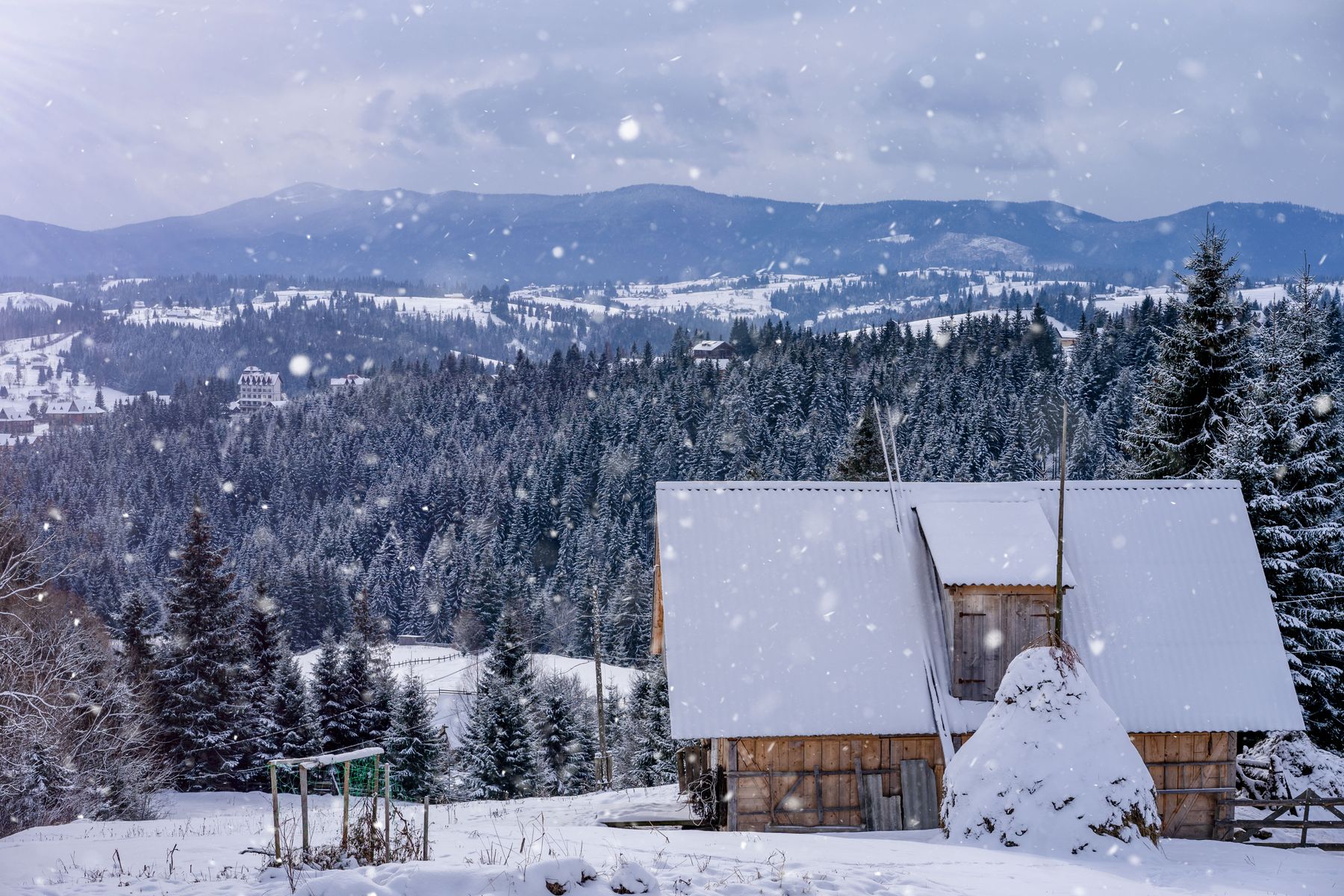
Cabin And Hotel Temperature Control
Remote stays often fail on the basics: the air feels too hot, too cold, or too damp, and the system that should fix it depends on power, fuel, and building design. A cabin may offer direct control over a thermostat or stove, while a hotel may provide centralized heating and cooling that runs on grid power or a managed generator. The practical difference shows up in how quickly the space responds, how stable the temperature stays overnight, and how ventilation handles humidity.
For example, a cabin with a wood stove can warm a living area fast, yet bedrooms may lag for hours if the airflow path is poor. A hotel room with a wall-mounted unit can hold a set point, but only if the unit has enough capacity for the room size and the building envelope limits heat loss. In both cases, the “temperature” you feel depends on air movement, radiant heat from walls or windows, and moisture levels, not only the thermostat reading.
In remote regions, power reliability and fuel logistics matter as much as the HVAC equipment. A cabin that runs on propane or a small generator may need manual adjustments, while a hotel may have maintenance staff who reset controls or switch fuel sources. The gap between what the listing promises and what the building can actually do often comes down to insulation quality, window type, and how the system is sized for the space.
Common Planning Mistakes
People often assume that a thermostat guarantees stable comfort. In reality, many remote cabins use spot heating or cooling, and the thermostat may be located where the air responds quickly, not where you sleep. That mismatch creates a pattern: the living area feels fine, but the bedroom stays cold or humid.
Another frequent error is ignoring ventilation and humidity. A space can hit the target temperature while still feeling uncomfortable because moisture condenses on cold surfaces or because stale air accumulates. In cold climates, inadequate ventilation can raise indoor humidity, which increases the risk of mold growth on building materials. In hot, humid regions, running an air conditioner without adequate fresh-air exchange can reduce comfort and worsen odors.
Travelers also underestimate system capacity. A small cabin may have a heater rated for a larger footprint, but the real limiter becomes heat loss through windows, gaps around doors, or thin walls. Conversely, a hotel room may have a unit that cycles frequently if the building envelope leaks, which can lead to temperature swings and higher noise.
How To Compare Cabin Vs Hotel
Start with the building envelope. Ask whether the cabin has storm windows, double-pane glazing, weather stripping, and insulation in walls and the ceiling. If the host cannot answer, look for clues in photos: thick curtains over windows, sealed door thresholds, and vents that appear intentional rather than improvised. These details affect how quickly the temperature changes and how much energy the heating or cooling system needs.
Next, check the heating and cooling type. Cabins often rely on a wood stove, propane furnace, electric baseboards, heat pumps, or portable AC units. Hotels more often use centralized systems, heat pumps, or packaged units with maintenance schedules. The key is not the brand name; it is whether the system is sized for the room and whether it can run during the hours you need it.
Then evaluate ventilation. Ask whether the cabin has a mechanical ventilation system, bathroom exhaust fans, or operable windows that can be used safely. In hotels, ask about fresh-air intake and whether the room has a controllable fan mode. Humidity control depends on both cooling performance and air exchange, and the wrong combination can leave you with damp air even when the temperature looks correct.
Check Heating Response And Fuel
For cabins, ask how heat is generated and how quickly it reaches bedrooms. A wood stove can warm the main room within 30–60 minutes, but bedrooms may lag if doors stay closed and there is no airflow path. Propane furnaces often provide more even distribution, yet they depend on thermostat wiring and fan operation. If the property uses electric heaters, confirm the circuit capacity; some cabins have limited amperage, and running a heater plus a kettle can trip breakers.
Assess Cooling, Humidity, And Airflow
For cooling, the question is not only whether an air conditioner exists, but whether it can remove moisture. In humid climates, a unit that cools without adequate dehumidification can leave the air feeling sticky. Ask whether the cabin has a dedicated AC unit, a heat pump, or only fans. Fans improve comfort by increasing air movement, but they do not remove humidity.
For hotels, confirm whether the room has a controllable AC mode and whether the unit supports fan-only or dry/dehumidify modes. Some wall units report settings clearly, while others hide them behind a remote. If you travel with a hygrometer, a relative humidity target around 40–60% often correlates with better comfort, though personal tolerance varies. If the property provides no humidity control, you may need to manage ventilation by opening windows during cooler, drier hours.
Plan For Power Reliability And Safety
Remote temperature control depends on power stability. Ask whether the property has a backup generator, how long it runs, and whether HVAC is connected to it. If the generator powers only lights and outlets, the heating or cooling system may shut off during outages. In cabins, confirm whether the heating system can run during a power cut; some furnaces require electricity for the fan or ignition.
Also check safety constraints. Wood stoves require proper clearance, functioning chimney draft, and safe fuel storage. Portable heaters can create fire risk if they are placed near curtains or bedding, and they may overload circuits. In hotels, ask about smoke detectors and whether the room has any restrictions on space heaters.
Educational Case Examples
Scenario 1: Cold arrival in a two-room cabin. A traveler books a cabin in a mountain area for a weekend in January. The listing says “thermostat controlled heat,” but the thermostat sits in the living area. On arrival at 6 p.m., the living room reaches a comfortable temperature within an hour, while the bedroom stays noticeably colder through bedtime. The traveler solves it by opening the bedroom door, using the cabin’s ceiling fan to move air, and running the heater longer before sleep. The lesson is that thermostat location and airflow paths can matter more than the heater type.
Scenario 2: Humid nights in a remote lodge. A traveler stays in a lodge room with a wall-mounted AC unit during a humid summer week. The room reaches the set temperature, yet the air feels clammy and bedding stays slightly damp. The traveler checks relative humidity with a small device and finds it consistently above 60%. The lodge staff confirms the unit is in cooling mode only, with limited dehumidification. The traveler improves comfort by running the fan at a lower speed and keeping the bathroom exhaust fan on longer after showers, while opening windows briefly during the driest hours.
Cabin Vs Hotel Decision Checklist
| Decision Factor | Cabin Tends To | Hotel Tends To | What To Ask |
|---|---|---|---|
| Temperature Evenness | May vary by room due to zoning and airflow | Often more even within one room type | Where is the thermostat, and how is air distributed? |
| Warm-Up Time | Can be fast in main area, slow in bedrooms | May recover steadily if system is on | How long to reach comfort from a cold start? |
| Humidity Control | Depends on AC/dehumidification and ventilation | Often better managed in built systems | Does the AC have a dehumidify mode or fan-only? |
| Power During Outages | May rely on generator or limited circuits | May have backup for critical loads | Is HVAC connected to backup power, and for how long? |
| Ventilation Options | Often window-based or exhaust fans | Often mechanical ventilation in building | Is there an exhaust fan in bathrooms and kitchen? |
Step-by-step checklist before booking:
- Request the heating method (wood stove, propane furnace, heat pump, electric) and whether it runs during outages.
- Ask where the thermostat is located and whether multiple rooms share the same control.
- Confirm cooling method and whether the unit can dehumidify, not only cool.
- Check ventilation: bathroom exhaust fan, window usability, and any restrictions on opening windows.
- Look for insulation clues: window type, door seals, and ceiling insulation in photos or descriptions.
- Plan your arrival time: if the cabin starts cold, ask how long it takes to reach a comfortable bedroom temperature.
- Pack a small comfort tool if you are sensitive to humidity or temperature swings, such as a hygrometer or a fan.
Common Mistakes Undermining Comfort
One mistake is relying on a single temperature number. A cabin can show 72°F (22°C) while still feeling cold due to cold window radiation or drafts. Another mistake is closing doors to “keep heat in” without considering airflow; bedrooms can become the coldest zone when the system cannot move air.
Travelers also skip humidity checks. In cold weather, condensation can form on windows and walls, and that moisture can worsen allergies or trigger mold growth over time. In hot weather, running AC with windows closed can reduce humidity, yet poor ventilation can leave odors and stale air.
People sometimes ignore power limits. A cabin may have a heater and a microwave on the same circuit, and turning both on can trip a breaker. Hotels can also have limitations, especially in remote areas where generators cycle; setting the thermostat too aggressively can cause the system to run longer than the power plan supports.
FAQ
Do cabins reach a comfortable temperature faster than hotels?
Cabins can warm quickly in the main room when they use a stove or a high-output heater, but bedrooms often lag due to airflow and insulation differences. Hotels usually provide steadier comfort within a room because the system is designed for the building’s envelope.
Which option handles humidity better in remote areas?
Humidity control depends on whether the cooling system can dehumidify and whether ventilation removes moisture. Hotels with managed HVAC often handle humidity more consistently, while cabins may rely on AC performance plus window or exhaust fan use.
What should I ask about power during outages?
Ask whether HVAC is connected to backup power, how long the backup runs, and whether the system needs electricity for ignition or fans. If the property cannot answer, plan for manual comfort steps like layered clothing and safe use of non-HVAC heat sources.
Can a thermostat setting fix uneven temperatures between rooms?
Not always. Uneven temperatures often come from thermostat placement, closed doors, and limited air distribution. Improving airflow paths and using fans can help, but the building layout sets the limits.
Are portable heaters or fans safe in remote cabins?
Portable heaters require careful placement away from bedding, curtains, and fuel storage, and they can overload circuits. Fans are generally safer for airflow, but they do not remove humidity, so they may not solve sticky air.
Author's Insight
Temperature control in remote areas is a system problem, not a single-device problem. Building envelope quality, ventilation behavior, and power reliability determine how a cabin or hotel responds to your thermostat setting. Listings often describe equipment, yet they rarely describe zoning, airflow paths, or generator limits, which are the details that drive comfort. A practical approach is to ask targeted questions about heating/cooling type, thermostat location, dehumidification capability, and backup power coverage, then plan your arrival and sleep routine around those constraints.
Key Takeaways
- Cabins can offer direct control, but room-to-room temperature differences are common when airflow paths are limited.
- Hotels often deliver steadier comfort within a room, yet generator schedules and unit capacity still affect performance in remote areas.
- Humidity control depends on dehumidification and ventilation, not only on reaching a target temperature.
- Ask about thermostat placement, heating/cooling type, and whether HVAC runs on backup power during outages.
- Plan for a cold or humid start by managing doors, airflow, and ventilation during the first hours after arrival.