Runway Position And Noise
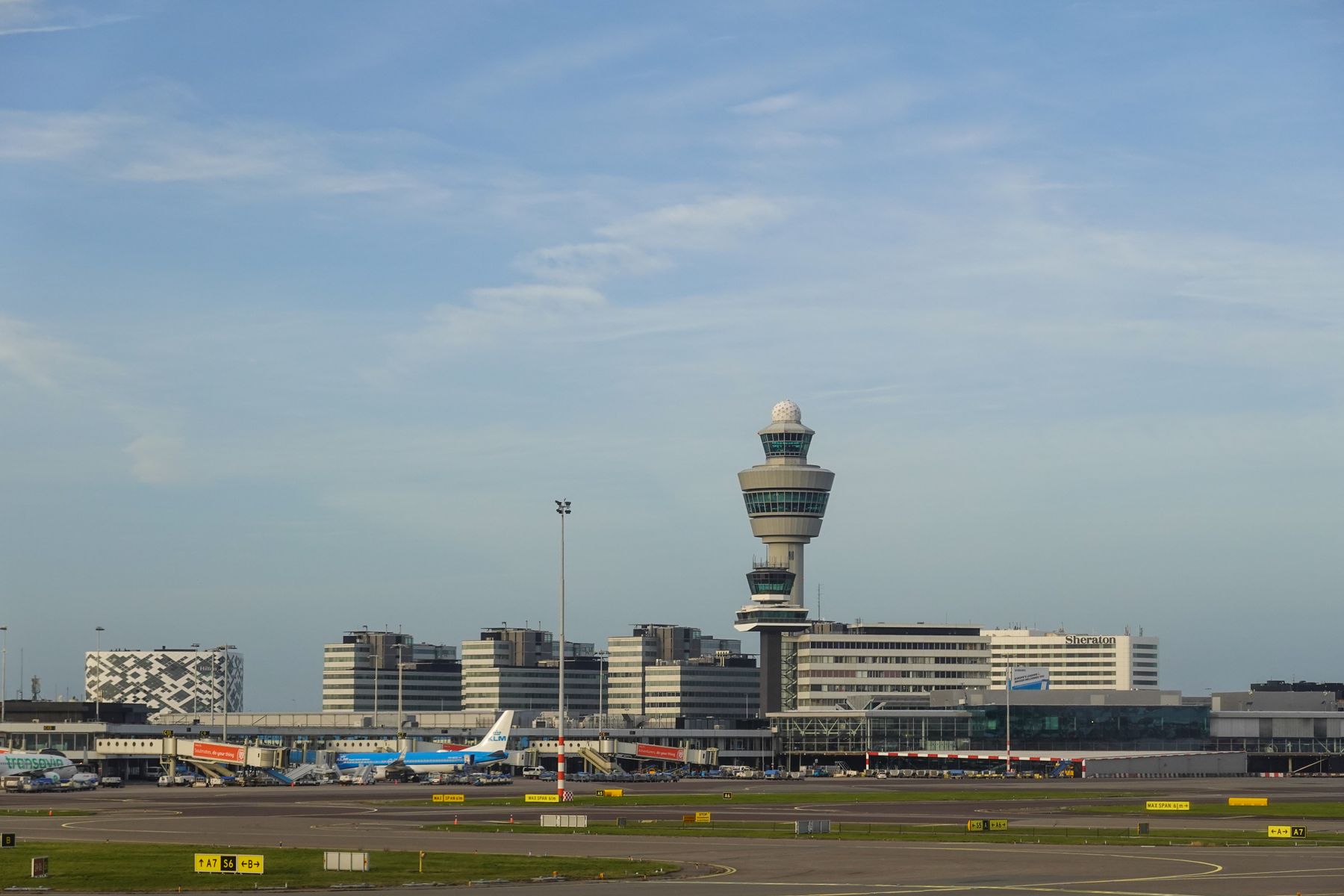
Airport noise depends on more than distance. Runway position shapes how often aircraft pass near a hotel, the angle of approach, and whether departures climb over the building or pass close to it at low altitude. A hotel that sits “near the airport” can be quieter than one that is closer in straight-line distance if the flight tracks miss it more often.
Runway geometry matters because aircraft follow published procedures. During approach, planes typically descend along a defined path until they reach the runway threshold; during departure, they follow a departure procedure that may route them over nearby neighborhoods for a short period before turning. If your hotel lies under the early segment of those routes, you can experience repeated noise events even at similar distances.
Wind direction changes which runway is active. Many airports switch runways to face prevailing winds, so the same hotel can alternate between quieter and louder periods depending on the season. That means a hotel’s “average” noise can hide a pattern of occasional intense nights, especially when the active runway points toward the property.
Noise exposure also depends on aircraft mix and operating hours. A runway used mainly for short-haul traffic can produce different noise patterns than one used for long-haul departures. Even within the same airport, the number of movements per hour and the proportion of heavier aircraft can shift by time of day.
Main Noise Mistakes
People often assume that distance alone predicts sleep disruption. In practice, the flight path’s lateral offset and the altitude of passing aircraft determine how much sound reaches your room. A hotel 3 km away from a runway can be quieter than a hotel 1 km away if the first sits outside the most frequent approach corridor.
Another common mistake is treating “airport noise level” as a single number. Many airports publish noise contours or annual averages, but those figures smooth out day-to-day variation. A contour might show that a location falls within a certain range, yet the hotel can still experience nights with many more events when wind and traffic patterns align.
Travelers also overlook runway switching and procedure changes. Airports update approach and departure procedures, and some changes take effect on specific dates. If a hotel listing references older noise information, the current flight tracks can differ, and the mismatch shows up only after you arrive.
Finally, guests underestimate room-level factors. Sound insulation varies by building design, window type, and whether the room faces the runway side. A “quiet room” category can still have windows with different glazing performance, and hallway orientation can affect how much noise leaks through doors.
Supporting technologies shape what you can verify. Noise maps often come from modeling tools and recorded movement data, while flight tracking uses ADS-B or radar feeds. Those sources help you check patterns, but they do not replace on-site measurement, and they can lag during outages.
How To Reduce Runway Noise
Check Flight Tracks For Your Dates
Use a flight tracking service to observe typical approach and departure paths for the airport on your travel days. Look for the runway in use and the direction of turns after takeoff. If you see repeated passes over the hotel area, plan for noise even if the hotel claims “airport view” rooms are quieter.
For a quick sanity check, compare two time windows: late evening and early morning. Many airports concentrate departures around banked schedules, and the first wave after 5:00–6:00 can be louder because aircraft are heavier and climb profiles differ. A small aside: I’ve seen travelers focus on midday flights, then get surprised by the 2–3 am departure burst.
Ask About Room Orientation And Glazing
When booking, ask whether the room faces the runway side and what type of windows the building uses. Request a room on the side away from the active runway when possible, and ask whether the hotel can assign a room based on “quiet side” rather than only “high floor.” If the hotel can’t answer, treat that as a signal that noise control may rely on generic assumptions.
In many properties, the difference between a runway-facing room and a non-runway-facing room is larger than the difference between two floors. Door seals and HVAC intake placement also matter; a room with a window that must stay closed for sound reduction can still feel comfortable if ventilation works.
Use Noise Mitigation That Matches Your Sensitivity
Earplugs reduce sound transmission, but fit determines performance. Foam plugs and molded plugs behave differently; molded plugs often seal better for people with sensitive hearing, while foam plugs can work well when inserted correctly. If you plan to sleep through aircraft noise, test your chosen method at home first, because insertion technique changes results.
White noise can mask some mid-frequency components, but it does not cancel low-frequency rumble. A practical approach is to combine earplugs with a steady sound source at a moderate volume. If you use a phone or speaker, check battery settings and avoid automatic volume changes that can wake you.
Interpret Noise Reports Without Overconfidence
If the airport publishes noise contours or a noise action plan, read them as a risk map, not a promise. Contours reflect modeled exposure over time, and they may not match the exact flight tracks on your dates. Look for whether the hotel sits inside multiple contour bands, which can suggest frequent events rather than rare ones.
Some airports also publish complaint statistics by area. Those numbers can help identify neighborhoods with repeated issues, but they reflect reported complaints rather than total noise exposure. A mild frustration: hotels sometimes cite “low complaints” as proof of quiet, even when the hotel sits just outside the reporting boundary.
Case Examples
Scenario 1: Two hotels at similar distance
A traveler books Hotel A and Hotel B near the same airport. Both are about 4 km from the runway, but Hotel A sits under the typical approach corridor for the active runway, while Hotel B lies off to the side. During a windy week, the airport switches runways, and Hotel B becomes the noisier option. The traveler’s sleep disruption correlates with the runway in use, not with the “nearby airport” label.
Scenario 2: Family booking and room assignment
A family arrives for a weekend stay and requests a high-floor room. The hotel assigns a room facing the runway because it is the only category available. The family uses earplugs and keeps windows closed, which reduces noise enough for most sleep, but the child still wakes during a sequence of early-morning departures. The next day, the hotel offers a room on the opposite side, and the waking episodes decrease.
Runway Noise Comparison
| Check | What To Look For | Why It Matters | Decision Use |
|---|---|---|---|
| Active runway | Runway number and direction on your dates | Noise tracks shift when runways switch | Prefer hotels that stay off the likely approach/departure corridor |
| Approach corridor | Frequent low passes near the property | Approach noise can repeat in waves | Choose rooms on the side away from the corridor |
| Departure turn | Whether aircraft pass over the hotel before turning | Early departure segments can be loud | Plan for early-morning noise if turns route overhead |
| Room assignment policy | Ability to choose quiet-side rooms | Orientation can outweigh floor height | Ask for quiet-side assignment in writing |
| Noise mitigation | Earplugs and masking plan | Reduces sleep disruption from repeated events | Pack tested earplugs; avoid relying on hotel “quiet” claims |
If you do only one thing, check the active runway and the approach corridor for your dates. That single step usually predicts whether the hotel will feel calm or busy at night.
Common Mistakes To Avoid
Booking based on “airport shuttle time” without checking room orientation leads to avoidable sleep disruption. A 5-minute ride does not fix a runway-facing window with weak seals.
Relying on a single review sentence can mislead. Reviews often describe one week, one runway configuration, or one room category. Treat reviews as clues about variability, not as a measurement.
Assuming that “soundproofing” means “silent” creates false expectations. Even well-insulated rooms transmit some aircraft noise, and low-frequency components can still travel through gaps. If you are sensitive, plan for mitigation rather than hoping for perfect quiet.
Ignoring seasonal runway switching can backfire. A hotel that is off the main corridor in summer can become exposed in winter when the airport changes runway direction to face wind.
Skipping a direct question to the hotel about quiet-side assignment often wastes time. A short message asking which side faces the runway and whether they can assign accordingly usually yields more actionable information than reading generic amenities lists.
FAQ
How does runway number affect noise?
Runway numbers indicate magnetic direction, which determines the approach and departure geometry. When the airport switches runways, aircraft routes shift laterally, changing which nearby buildings receive repeated low-altitude passes.
Are noise contours enough to judge a hotel?
Noise contours reflect modeled exposure over time and may not match your exact dates or the active runway. Use them as a risk screen, then verify flight tracks for your travel window.
Do higher floors always get quieter rooms?
Higher floors can reduce some ground-level vibration, but orientation to the runway and window glazing performance often dominate. A mid-floor room on the quiet side can be calmer than a higher-floor room facing the runway.
What earplugs work best for aircraft noise?
Fit matters more than brand. Foam plugs can work well when inserted correctly; molded plugs often seal better for people who wake easily. Test at home before travel.
Can wind change which hotel is noisier?
Yes. Wind direction influences which runway is active, and that changes the approach corridor and departure routing. A hotel that is quiet under one runway can become exposed under the other.
Author's Insight
Runway position influences noise through predictable mechanisms: approach paths, departure procedures, and runway switching with wind. Travelers can reduce uncertainty by checking active runway direction and observing flight tracks for the dates they plan to sleep. Noise contours and reviews help, but they smooth over day-to-day variation and room-level differences.
For practical decision-making, treat airport hotels as “variable exposure” stays. Your best leverage comes from room orientation, a clear quiet-side assignment request, and a tested sleep mitigation plan.
One small operational detail: if you use a flight tracking app, note the data timestamp and version shown in the app’s settings (for example, some builds in 2026 show “last updated” indicators). That helps you avoid acting on stale route information.
Key Takeaways
- Runway position shapes approach and departure routes, so distance alone does not predict noise.
- Check the active runway and approach corridor for your travel dates, not just the airport’s general reputation.
- Room orientation and window performance often matter more than floor height.
- Use tested earplugs and a masking plan when you plan to sleep through repeated aircraft movements.
- Noise contours and reviews are clues; they do not replace date-specific flight track checks.