Insulation Longevity
Insulation works by trapping air in tiny pockets created by the "loft" or fluffiness of the material. Whether you use high-fill-power goose down (like 800-fill or 900-fill) or advanced synthetics like PrimaLoft, the goal is to keep these fibers or plumes from becoming permanently compressed. When you compress a bag into a tiny sack for a weekend hike, it’s fine for a few days. However, leaving it in that state for months causes "loft degradation."
In my years of gear testing, I’ve seen bags lose up to 10°F (5.5°C) of their temperature rating simply due to improper long-term storage. A bag rated for 20°F can quickly become a 30°F bag if the down clusters lose their ability to spring back. Real-world data from laboratory testing shows that high-quality down can last 15–20 years if stored uncompressed, whereas synthetic bags often have a shorter lifespan of 5–8 years because the plastic filaments eventually lose their "memory" and flatten out under pressure.
Bag Maintenance Errors
The most common mistake is the "compressed shelf life" syndrome. Most enthusiasts return from a trip, leave their bag in the tiny stuff sack it came in, and throw it in a garage or attic. This is a double-threat: mechanical compression and environmental degradation. Mechanical compression physically breaks the delicate barbs of down feathers and creases synthetic fibers, leading to cold spots that can never be fully repaired.
Another major pain point is moisture retention. Even if a bag feels dry, it likely contains residual body oils and perspiration. Storing a bag in a non-breathable plastic bin traps this moisture, leading to the growth of mold and mildew. This doesn't just smell bad; it actively eats away at natural down. I once inspected a high-end expedition bag stored in a damp basement; within 18 months, the internal baffles had rotted, rendering a $600 piece of equipment completely useless.
Maximum Loft Retention
Utilize Large Breathable Cotton or Mesh Sacks
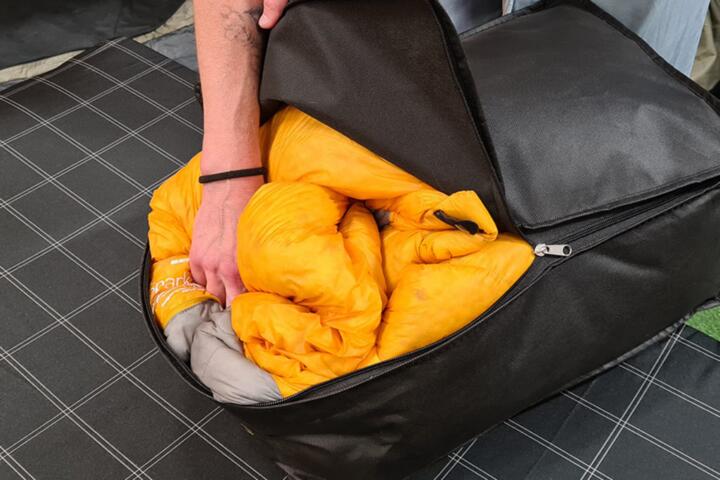
The golden rule of storage is volume. Most premium manufacturers, such as Western Mountaineering or Feathered Friends, ship their bags with a large cotton or mesh "storage sack" in addition to a travel stuff sack. If you lost yours, you can purchase replacements from brands like REI or Sea to Summit. These bags allow the insulation to expand to at least 70-80% of its full loft while still keeping it organized and protected from dust.
The Vertical Hanging Method
If you have the closet space, hanging your bag is the gold standard used by professional outfitters and high-end gear shops. Use a heavy-duty laundry hanger and drape the bag over the horizontal bar, or use the loops often found at the foot of the bag. This prevents any compression whatsoever. Just ensure the hanger is padded to avoid creating a sharp crease in the fabric or insulation.
Climate-Controlled Environment Selection
Never store your gear in a garage, attic, or crawlspace. These areas undergo massive temperature fluctuations and humidity spikes. High heat (above 90°F) can cause synthetic fibers to become brittle, while humidity encourages "clumping" in down. The best place is a cool, dark, and dry closet inside your living space where the temperature remains stable between 60°F and 75°F.
Pre-Storage Cleaning and Dehumidification
Before the bag goes into its long-term home, it must be bone-dry. I recommend laying the bag out flat in a low-humidity room for 24 to 48 hours after a trip. If the bag is noticeably dirty, wash it using a specialized technical cleaner like Nikwax Down Wash Direct or Granger’s Performance Wash. Standard detergents contain surfactants that strip natural oils from down and leave residues on synthetic fibers that attract water.
Strategic Loft Agitation
Once every 3 to 4 months, take your bag out of its storage sack and give it a vigorous shake. For down bags, you can even put them in a large commercial dryer on "No Heat" or "Air Fluff" with three clean tennis balls for 15 minutes. This breaks up any micro-clumps and redistributes the fill evenly across the baffles, ensuring that no single area remains compressed for too long.
Professional Gear Cases
Case Study 1: The Outfitter Overhaul
A mountain guiding service in Colorado noticed their rental fleet of synthetic bags felt "thin" after three seasons of storage in tight compression sacks. After switching to a system of oversized mesh bins and implementing a monthly "fluffing" protocol, they measured the loft height of their bags. They found that bags stored loosely retained 1.5 inches more loft on average compared to the previous year’s compressed batch, extending the fleet's service life by an estimated two years and saving the company over $4,000 in replacement costs.
Case Study 2: The High-Altitude Restoration
A solo hiker's 850-fill down bag had lost its warmth after being stored in a damp basement for two years. The bag was sent to Rainy Pass Repair, a professional gear restoration service. By performing a specialized deep clean and a controlled high-volume dry, the bag’s loft was restored from 2 inches of height back to its original 3.5 inches. This professional intervention saved the hiker from purchasing a new $500 bag, proving that proper "recovery" storage can sometimes reverse minor neglect.
Storage Readiness List
- Decontamination: Ensure the bag is free of pine needles, dirt, and body oils.
- Moisture Check: Verify the bag has been air-dried for at least 24 hours.
- Hardware Inspection: Zip all zippers halfway to prevent snagging while stored.
- Sack Selection: Use a cotton or mesh bag with a volume of at least 30-50 liters.
- Location Choice: Choose an interior closet away from exterior walls (to avoid condensation).
- Pest Protection: Ensure the storage area is free of moths or rodents who may find down a perfect nesting material.
Common Pitfalls to Avoid
Many people think a plastic "Space Bag" or vacuum-seal bag is a great way to save room. For a sleeping bag, this is a death sentence. Vacuum sealing creates extreme mechanical pressure that can permanently "weld" synthetic fibers together or crush the delicate structure of down plumes. Once these structures are crushed at a microscopic level, no amount of tumbling will bring the warmth back.
Another error is storing the bag with the zippers fully closed and the hood cinched tight. This can create "tension spots" where the fabric is pulled taut over the insulation, causing localized compression. Always leave the hood open and the zippers relaxed. Finally, avoid using mothballs; the chemical scent is nearly impossible to remove from technical fabrics and can damage the Ultra-Thin (UL) nylon coatings used in modern lightweight bags.
FAQ
Can I store my bag in a large plastic tote?
Only if it is not airtight. If you use a plastic bin, drill several small ventilation holes in the sides to allow for airflow. A completely sealed bin can trap ambient moisture and lead to mildew.
How long can I keep my bag in a compression sack during a trip?
Short-term compression (1-2 weeks) is generally safe for high-quality bags. The danger arises when the bag is left compressed for months at a time. Always unpack your bag as soon as you reach camp and as soon as you get home.
My bag smells "funky" after storage. What do I do?
This is usually a sign of residual moisture. Try air-drying it in direct sunlight for 2-3 hours (UV rays kill some bacteria), but don't leave it longer as UV can damage nylon. If the smell persists, a technical wash is necessary.
Does it matter if I store it at the top of a closet or the bottom?
Higher is generally better. The air near the ceiling is usually warmer and drier, and it keeps the bag away from floor-level dust and potential spills or pet hair.
Should I store my bag inside out?
It is actually a good practice. Storing the bag inside out allows the interior liner, which absorbed your sweat and oils, to breathe better. It also protects the outer DWR (Durable Water Repellent) coating from dust.
Author's Insight
In my twenty years of trekking, I have treated my sleeping bags like precision instruments. I once made the mistake of leaving a synthetic bag in my trunk during a humid summer in the South; the insulation "clumped" within weeks and never recovered its rating. Now, I use a dedicated "gear wall" with deep mesh shelving. My biggest tip: if you don't have a storage sack, an old king-size cotton pillowcase works perfectly. It’s breathable, cheap, and provides exactly the right amount of space for a standard mummy bag to stay happy and lofted.
Summary
Properly storing your sleeping bag is the most effective way to protect your financial investment and your safety in the backcountry. By prioritizing high-volume, breathable storage in a climate-controlled environment, you prevent the mechanical and chemical degradation that leads to cold nights. Avoid the temptation of vacuum bags or tight stuff sacks, and instead, give your gear the space it needs to breathe. Consistent maintenance today ensures your bag will provide the necessary warmth for your most ambitious expeditions tomorrow.