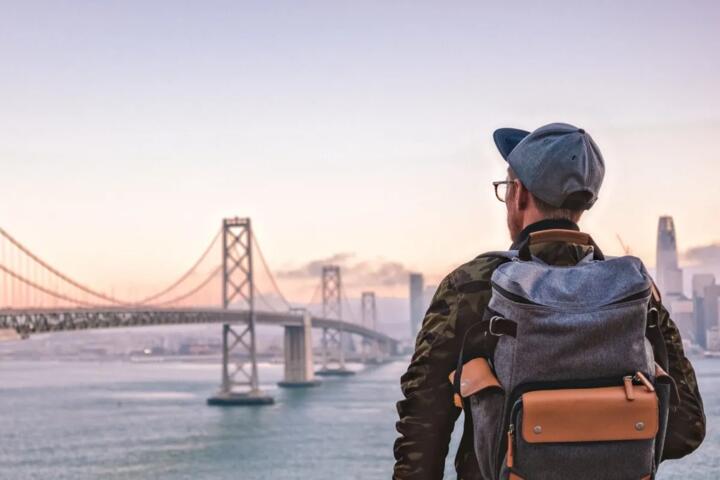
Strategic Asset Safety
Asset protection while traveling is not about finding one "perfect" hiding spot; it is about creating a system of friction and misdirection. In my fifteen years of traveling through over 70 countries, I have learned that professional pickpockets in cities like Barcelona or Rome spend less than five seconds evaluating a target. If your valuables are not immediately accessible, they will likely move on to an easier mark.
Effective security relies on "diversion" and "segmentation." For instance, using a decoy wallet containing expired credit cards and a small amount of local currency can satisfy a mugger while your primary funds remain untouched. Statistics from insurance providers like World Nomads indicate that "opportunistic theft" accounts for over 60% of travel-related claims, meaning most crimes are preventable through basic situational awareness and proper hardware.
Real-world data shows that hotel room thefts are more common than street robberies in luxury segments. A 2023 industry report noted that many standard hotel safes use "000000" or "123456" as override codes that staff (and savvy thieves) know. Understanding these systemic weaknesses is the first step toward true security.
Common Security Failures
The most frequent mistake travelers make is the "Single Point of Failure." Keeping all cash, passports, and backup cards in a single money belt or backpack compartment is a recipe for disaster. If that one item is lost or stolen, the traveler is left completely stranded without resources. I have seen countless tourists lose their entire trip's budget because they kept their "safety" pouch in an easily slashable daypack.
Another pain point is over-reliance on visible security gear. Ironically, wearing a bulky money belt under a thin T-shirt screams "I have something valuable" to experienced observers. This creates a psychological "X" on the traveler. Furthermore, using flashy designer luggage or expensive tech sleeves acts as a beacon for organized theft rings operating in airport terminals and train stations.
The consequences of these mistakes extend beyond financial loss. Recovering a stolen passport at an embassy can take 3 to 7 business days, effectively ruining a vacation. In a documented case from 2022, a couple in Paris lost €4,000 and two iPhones because they left their bag on the floor at a cafe—a classic "distraction theft" where one person asks for directions while another grabs the luggage.
Practical Hiding Methods
The Art of Deep Storage
For high-value items you don't need daily (spare cards, emergency cash), "Deep Storage" is the gold standard. This involves placing items in spots that are physically difficult to reach quickly. Instead of a wallet, use a flat, silk neck pouch tucked inside your shirt, or better yet, a specialized "travel scarf" with a hidden zipper pocket. Brands like Speakeasy Travel Supply offer these with reinforced stitching that doesn't sag even with a phone inside.
Utilizing Dummy Containers
Diversion safes are incredibly effective because they mimic mundane objects. A hollowed-out hairspray can or a fake SPF 30 sunscreen bottle (like those from GoTubb) sitting in a messy toiletry bag is rarely touched. Thieves want items they can flip quickly—electronics, cash, jewelry. They are not looking to steal your half-used deodorant. This method works best in hotel rooms or shared hostel dorms.
Digital Asset Redundancy
Physical security must be paired with digital backups. Use a service like NordPass or 1Password to store encrypted scans of your passport, visas, and insurance. If your physical documents are stolen, having a cloud-based "digital twin" allows you to print copies at a local business center instantly. This reduces the friction of dealing with local authorities and speeds up embassy processing times.
Hardware-Based Deterrents
When staying in rentals like Airbnb, do not trust the closet locks. Use a portable door lock like the Addalock and a lightweight cable lock (Pacsafe's 85L backpack protector is a classic) to tether your suitcase to a heavy furniture piece. While a determined thief with bolt cutters can get through, it removes the "grab and go" opportunity, which is the goal of most room intrusions.
Wearable Stealth Gear
Modern travel apparel has evolved. Companies like ClothingX and SCOTTeVEST design jackets with 20+ hidden internal pockets. By distributing your gear—phone in one pocket, wallet in a deep internal chest pocket, passport in a lumbar pocket—you eliminate the need for a bag entirely. This "on-body" carry is the most secure method because you are physically aware of every item at all times.
Real-World Security Cases
The Lisbon Transit Case
In 2023, a photography group traveling through Lisbon's Tram 28 (a known hotspot) utilized "distraction decoy" wallets. One member was targeted by a three-person team. The thief successfully lifted a "decoy" wallet containing only 10 Euros and a few fake business cards. The photographer's actual cash and SD cards were hidden in a belt with an internal zipper. Result: 100% of high-value gear saved, with a total loss of only €10.
The Boutique Hotel Breach
A business traveler in Mexico City opted not to use the hotel safe, instead placing her jewelry inside a "diversion" lint roller. During a room cleaning, several other guests reported missing items from their safes (which had been accessed via a master key). The traveler’s lint roller remained on the vanity, completely ignored by the perpetrator. Result: $3,000 worth of assets preserved due to unconventional storage.
Security Comparison
| Security Method | Ease of Use | Effectiveness | Best Used For |
|---|---|---|---|
| Hotel Safe | High | Medium | Bulk items, Laptops |
| Diversion Safes | High | Very High | Jewelry, Emergency Cash |
| Money Belts | Medium | Medium | Daily cash, Transit days |
| Cable Locks | Low | High | Luggage in transit/Airbnbs |
| Digital Vaults | High | High | Passports, Document copies |
Avoiding Strategic Errors
One of the biggest mistakes is "Checking the stash." In high-risk areas, tourists often subconsciously touch the pocket where their money is hidden to ensure it's still there. Professional observers watch for this "security check" to identify exactly where the valuables are located. Practice "poker face" travel; once your items are secured, forget they exist until you are in a private, locked space.
Avoid using "TSA-Approved" locks for long-term security. These locks are designed to be opened with master keys that are easily 3D-printed or bought online. While necessary for checked luggage, once you reach your destination, switch to a high-security padlock for your internal bags or lockers. It adds a layer of proprietary security that the average thief isn't prepared to bypass.
Finally, never count large amounts of cash in public or even at a transparent hotel lobby desk. Always use an ATM inside a bank during business hours, and immediately move the cash to a concealed inner pocket before exiting the building. Small habits like these create a perimeter of safety that prevents you from becoming a target in the first place.
FAQ
Is it safer to use the hotel safe or hide items?
If the safe is bolted to the floor and you can set a custom 6-digit code, it is generally safe for large items like laptops. However, for cash and jewelry, a diversion safe (like a fake book or container) hidden among mundane items is often more effective against staff theft.
Should I carry a fake "decoy" wallet?
Yes, especially in areas known for aggressive street crime. A decoy wallet with a few low-denomination bills and expired cards can de-escalate a robbery quickly, allowing you to hand over something "valuable" while keeping your real assets hidden.
How much cash should I keep on my person?
Keep only what you need for the day (e.g., $50-$100) in an accessible pocket. The rest should be split: half in a "deep storage" wearable and half left in a secure location at your accommodation. This "rule of thirds" ensures you are never totally broke.
Are RFID-blocking sleeves actually necessary?
While "skimming" is less common than physical theft, RFID-blocking technology is now cheap and standard in most travel gear. It’s a "better safe than sorry" addition, but it shouldn't be your only security measure. Physical access is still the primary threat.
What is the most secure way to carry a passport?
During transit, keep it in a zippered internal jacket pocket or a neck pouch under your clothes. Once at your destination, leave the physical passport in a secure spot and carry a high-quality color photocopy or a digital version on your phone for daily ID needs.
Author’s Insight
In my experience, the best security is the one that doesn't look like security. I personally use a simple, beat-up plastic bag from a local grocery store to carry my high-end camera equipment when walking through crowded markets. No one suspects a bag of "groceries" contains a $2,000 lens. My top advice: blend in locally. If the locals don't wear fanny packs, you shouldn't either. The goal is to be the least interesting person in the room to a predator. Practicality always beats "cool" gear; stay humble, stay hidden, and you'll stay safe.
Summary
Protecting your valuables while traveling requires a proactive mindset and the right combination of physical tools and psychological tactics. By diversifying where you store your assets, using diversion containers, and maintaining digital redundancies, you can navigate even the most challenging environments with confidence. Start by auditing your current travel gear and identifying single points of failure before your next trip. Secure your essentials, stay vigilant, and focus on the experience rather than the fear of loss.