High-Tensile Nylon Cordage
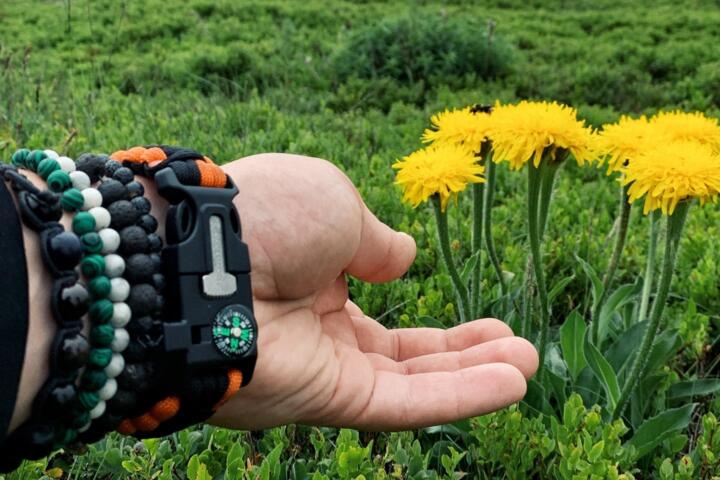
When we talk about tactical wrist-wear, we are essentially discussing a portable inventory of MIL-SPEC 550 parachute cord. The "550" refers to its minimum breaking strength of 550 pounds, a standard established by the U.S. military under MIL-C-5040H guidelines. This material is prized because it doesn't rot, resists mildew, and has a high stretch factor of approximately 30%, which acts as a shock absorber during heavy loading.
In a real-world scenario, you aren't just wearing a bracelet; you are carrying between 8 to 15 feet of multi-strand rope. For instance, in 2017, a hiker in the White Mountains used the inner strands of his bracelet to repair a broken boot lace and a delaminated sole, preventing a twisted ankle on a 10-mile descent. A single 10-foot bracelet typically contains seven inner triple-ply strands, meaning you actually have 70 feet of smaller, 35-pound-test string at your disposal.
Emergency Prep Failures
The most significant mistake users make is treating the bracelet as a "single-use" item or failing to understand the difference between commercial "craft" cord and genuine MIL-SPEC material. Commercial cord often uses bulkier, weaker polyester or fewer inner strands, which can snap under half the rated load.
Another pain point is the "deployment lag." Many survivalists choose complex weaves like the "King Cobra" which look impressive but take three to five minutes to unravel. In a situation involving severe arterial bleeding or a rapidly approaching storm, those minutes are a luxury you don't have. If you can't access your cordage in under 30 seconds with cold, shaking hands, the tool has failed its primary mission. Real-world consequences include hypothermia from an unsecured shelter or the loss of vital gear that wasn't properly lashed down during a river crossing.
Field Techniques
Maximizing the utility of your cordage requires moving beyond basic knots into functional engineering.
Emergency Medical Stabilization
If a limb is fractured or a joint is severely sprained, the outer sheath of the paracord can be used to secure a splint. Unlike rigid wire, the nylon has enough "give" to allow for slight swelling without cutting off circulation. For high-pressure situations, the inner strands serve as heavy-duty suture material in extreme "last resort" scenarios, though their primary medical use is securing bandages.
Procurement of Food and Water
By stripping the seven inner strands, you gain access to fine-gauge line perfect for improvised fishing. A standard 12-foot bracelet provides enough material for a 20-foot prototype or multiple snares. Using a Paine’s Special or a simple Noose Hitch, these strands can hold small game like rabbits or squirrels. In a 2021 survival trial, testers successfully harvested three pounds of trout using only the white inner filaments and a hand-carved wood hook.
Precision Gear Repair
The inner yarns are surprisingly heat-resistant and durable. When a backpack strap or a tent zipper fails, these threads can be threaded through a standard needle (often hidden in survival buckles like those from Outdoor Edge or Atomic Bear) to perform "field surgery" on equipment. This prevents the loss of caloric energy spent struggling with broken gear.
Fire Initiation and Heat Retention
Many modern bracelets incorporate a ferrocerium rod toggle. By using the paracord to create a "bow drill" string, you can generate the friction necessary for fire in wet conditions where a simple spark might not catch. The paracord provides the consistent tension required for a spindle to reach the 800°F necessary for an ember.
Rigging and Mechanical Advantage
If you need to lift a heavy load or secure a kayak, the Trucker's Hitch applied to 550 cord creates a 3:1 mechanical advantage. This allows a single person to exert significantly more force than their body weight would otherwise allow.
Survival Case Studies
Case 1: The Lost Kayaker (2019)
An individual became stranded in the Florida Everglades after his paddle snapped. He unraveled two paracord bracelets to lash a sturdy branch to the remaining paddle blade using a Square Lashing. This repair held for six hours of constant rowing through heavy mangroves, allowing him to reach a GPS-mapped extraction point.
Case 2: Alpine Shelter Success
During a sudden whiteout in the Cascades, a pair of climbers used the cordage from their gear to rig a "tarp lean-to" against a rock face. By using the Prusik knot (which works exceptionally well with paracord's texture), they kept the tarp taut despite 40 mph winds. The shelter maintained an internal temperature 15 degrees higher than the outside air, preventing stage-one hypothermia.
Technical Comparison
| Feature | Genuine MIL-SPEC 550 | Commercial Grade (Type III) | "Survival" Cord (Integrated) |
|---|---|---|---|
| Core Strands | 7 to 9 (Triple Ply) | 7 (Double Ply or Un-plied) | 7 + Waxed Jute + Fishing Line |
| Material | 100% Nylon | Polyester/Nylon Blend | Nylon + Multi-material core |
| Stretch | 30% Minimum | Variable (usually less) | 25% |
| Best Use | Heavy lashing, climbing aid | General utility, shoelaces | Fire starting, fishing, trapping |
| Reliability | Extremely High | Moderate | High (for specific tasks) |
Critical Mistakes
- Melting the ends too early: If you cut the cord and melt the ends into a large "mushroom," you won't be able to pull the inner strands out when you need them. Always leave a small "tail" or use a quick-release weave.
- Ignoring the "Guts": The outer shell is only half the tool. If you aren't utilizing the inner filaments for fine tasks, you are wasting 85% of your resource's potential length.
- Overestimating Weight Capacity: 550 lbs is the static limit. In a dynamic situation (like a falling body), the force can easily exceed 1,000 lbs. Never use a single strand of paracord for climbing or rappelling unless it is quadrupled and you have no other choice.
- Poor Knot Selection: Using a Granny Knot instead of a Bowline can lead to the cord slipping under tension. Paracord is slippery; always use "locking" knots.
- UV Degradation: If you have worn the same bracelet for three years in the sun, the nylon fibers have likely become brittle. Replace your survival cordage every 12 to 18 months of active outdoor use.
FAQ
Can I actually rappel with a paracord bracelet?
Technically, no. A single strand is not rated for life-safety applications. However, in an absolute life-or-death emergency, you can "braid" three or four lengths together to create a rope capable of supporting a human, but this should be a last resort.
What is the best weave for quick access?
The Sinnet or "Quick Release" weave is superior. It allows you to pull one end and have the entire length free in seconds, unlike the Cobra weave which requires manual unlooping.
Is "Titan Cord" better than standard 550?
Titan Survival and similar brands often include a strand of brass wire and waxed tinder inside the cord. This adds specialized utility (like snares and fire starting) but makes the cord slightly stiffer. It is an excellent upgrade for dedicated survival kits.
How do I clean my bracelet without damaging it?
Hand wash with mild soap and air dry. Avoid high-heat dryers, as excessive heat can shrink the nylon fibers and make the weave impossible to undo.
Does the color of the cord matter?
In a survival situation, "High-Viz" Orange or Neon Green is better for signaling. If you are in a tactical or hunting scenario, Olive Drab or Coyote Brown is preferred for concealment.
Author’s Insight
In my fifteen years of backcountry trekking, I’ve found that the most "high-tech" gear often fails at the worst time, but a simple piece of string rarely does. I once used the inner core of a bracelet to replace a broken tensioner on a stove, which was the difference between a hot meal and frozen fingers. My advice is to always carry a bracelet that uses a shackle rather than a plastic buckle; the steel shackle itself can be used as a weight for throwing lines or as an emergency repair link for a broken chain. Don't just wear it—practice unravelling and re-weaving it until the muscle memory is there.
Summary
A paracord bracelet is not a fashion statement; it is a condensed toolkit that provides mechanical advantage, medical support, and sustenance procurement capabilities. By prioritizing MIL-SPEC materials, mastering essential knots like the Taut-Line Hitch and Clove Hitch, and understanding the hidden value of the inner filaments, you transform a simple wristband into a life-saving asset. For immediate results, audit your current gear today: ensure your cordage is genuine nylon and practice a quick-release deployment so you are ready before the emergency occurs.