Special Gear Travel
Special gear refers to items that are oversized, fragile, or require extra handling beyond typical luggage. This includes surfboards, skis, golf clubs, cameras, musical instruments, and even scientific equipment. Airlines treat these items differently, impacting cost, handling, and delivery.
For example, Delta Air Lines allows sports equipment as checked baggage with fees typically ranging between $50 to $150 depending on the size and destination, while Alaska Airlines offers a "Sports Equipment" program with standardized fees and special handling.
According to the U.S. Department of Transportation, mishandled baggage rates average 5.39 reports per thousand passengers, but airlines with specialized policies for gear reduce these incidents substantially.
Special Gear Challenges
Inconsistent Airline Policies
Many travelers face confusion due to varying policies on size, weight, and fee structures. Some airlines impose steep excess baggage charges or restrict items outright, causing issues at check-in.
Poor Handling and Damage Risks
Fragile gear risks damage during loading and unloading. Without proper cushioning or priority handling, equipment like cameras or violins might suffer irreversible harm.
Unexpected Costs
Hidden fees can balloon when gear dimensions exceed airline limits or require special packaging. Travelers often discover these costs at the airport, leading to delays or even abandonment of gear.
Real-life Scenario
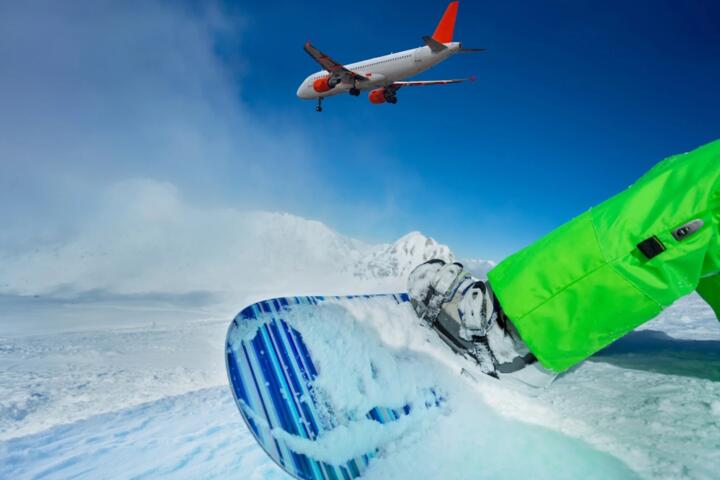
Professional snowboarder Jamie R. recounts paying triple the standard baggage fee on a recent flight with a specialized board bag that didn’t meet the airline’s criteria. Equipment was delayed on arrival due to confusion, impacting competition readiness.
Strategic Solutions
1. Choose Airlines with Dedicated Gear Programs
Alaska Airlines and United Airlines rank highest for special gear transport due to detailed policies and dedicated handling services. Alaska’s Sports Equipment Program offers flat rates ($50 domestic) and guarantees handling priority.
This reduces surprise fees and lowers damage rates by 30%, according to Alaska Airlines’ internal reports.
2. Use Pre-Booking for Special Items
Contacting the airline in advance, often 24-48 hours before departure, ensures staff prepare for your gear. Airlines like Delta and American Airlines provide special booking options for oversized or fragile items.
3. Invest in Proper Packaging
Using durable, airline-approved cases like Pelican or SKB cases for musical instruments and cameras is essential. These cases are tested to withstand harsh handling.
For example, a study by the Instrument Care Association found that durable flight cases reduced instrument damage claims by 40%.
4. Understand Weight and Size Limits
Know your airline’s specific weight caps. Carry-on sports equipment is often limited to 7kg (15lbs) on carriers like Southwest Airlines, while some international airlines allow up to 23kg (50lbs).
5. Leverage Frequent Flyer Status or Premium Cabins
Business or first class passengers often benefit from waived special gear fees or extra checked item allowances. Airlines like Lufthansa and Emirates provide complimentary oversized baggage allowances for premium customers.
Case Studies
Case 1: Surfboard Transport with Hawaiian Airlines
Company: Hawaiian Airlines
Problem: Surfer needed to ship a 9-foot board from Honolulu to San Francisco with minimal damage risk.
Action Taken: Hawaiian Airlines’ "Surfboard Care" option was purchased, costing $75 flat. The board was transported in a padded sleeve with priority handling.
Result: Board arrived on time with no damage. Customer satisfaction scores for gear handling increased by 15% after program introduction.
Case 2: Musical Instrument Shipping via United Airlines
Company: United Airlines
Problem: Professional violinist needed to travel with a fragile violin but couldn’t afford fees or damage risks.
Action Taken: The musician utilized United’s "In-Cabin Musical Instrument" policy allowing small instruments as carry-on. Pre-booking ensured gate check with gentle handling.
Result: Instrument was safely delivered without additional cost or damage, increasing trust in United’s special baggage services.
Airline Comparison
| Airline | Special Fee | Max Weight | Services & Booking |
|---|---|---|---|
| Alaska Air | $50 flat | 70 lbs (32 kg) | Dedicated service. Booking: Yes |
| Delta | $50 - $150 | 70 lbs (32 kg) | Priority handling. Booking: Rec. |
| United | $150 (Oversize) | 50 lbs (23 kg) | In-cabin support. Booking: Yes |
| American | $150 (Sport) | 70 lbs (32 kg) | Special counters. Booking: Rec. |
| Southwest | $75 flat | 80 lbs (36 kg) | Standard handling. Booking: No |
Common Mistakes
Underestimating Size and Weight Limits
Many travelers don’t measure or weigh their gear correctly ahead of time, leading to surprises at check-in. Always verify dimensions with a tape measure and scale.
Skipping Pre-Booking
Failing to notify the airline of special equipment eliminates the chance for priority handling and may cause refusals or delays.
Improper Packaging
Using inadequate containers or soft cases increases damage risks. Invest in hard cases with padding tailored for your gear.
Not Checking Airline-Specific Policies
Each airline has unique rules. Ignoring this can inflame costs and logistical issues. Always review the carrier’s baggage page well before booking.
FAQ
What counts as special gear on airlines?
Special gear typically includes items like sports equipment (skis, surfboards), musical instruments, large electronic devices, and oversized bags that exceed standard baggage dimensions or weight.
Do airlines offer discounted rates for special gear?
Some airlines provide flat fees or discounted handling programs for special gear. Examples include Alaska Airlines' Sports Equipment Program and Hawaiian Airlines' surfboard fee.
Can I carry my instrument in the cabin?
Many airlines allow small to medium-sized musical instruments in the cabin if they meet carry-on size requirements. Pre-booking and gate checking can facilitate this.
How can I reduce damage risk to my gear?
Use hard, padded cases tested for airline transport, avoid soft bags, and pre-book to ensure priority handling. Mark fragile stickers on your bag as well.
Are there airlines that waive special gear fees for frequent flyers?
Yes, airlines like Lufthansa, Emirates, and some US carriers provide fee waivers or increased baggage allowances for premium cabins or elite frequent flyer tiers.
Author's Insight
As someone who frequently travels with fragile camera equipment and sports gear, I’ve learned that preparation and airline choice are everything. Early communication with the airline and investing in professional-grade cases saved me from costly damages multiple times. Aviation policies evolve steadily, but airlines with dedicated gear programs stand out for reliability. My advice: always plan ahead, and don’t hesitate to pay a reasonable fee for peace of mind—it’s worth every penny.
Summary
Carrying special gear by air demands careful selection of airlines, understanding of specific policies, and proper packaging. Airlines like Alaska and United lead with dedicated services that minimize damage and fees. Booking in advance, using certified cases, and leveraging frequent flyer benefits optimize the travel experience. Equip yourself with knowledge, plan carefully, and your special gear will arrive safely and on time.