Travel Blackout Blinds
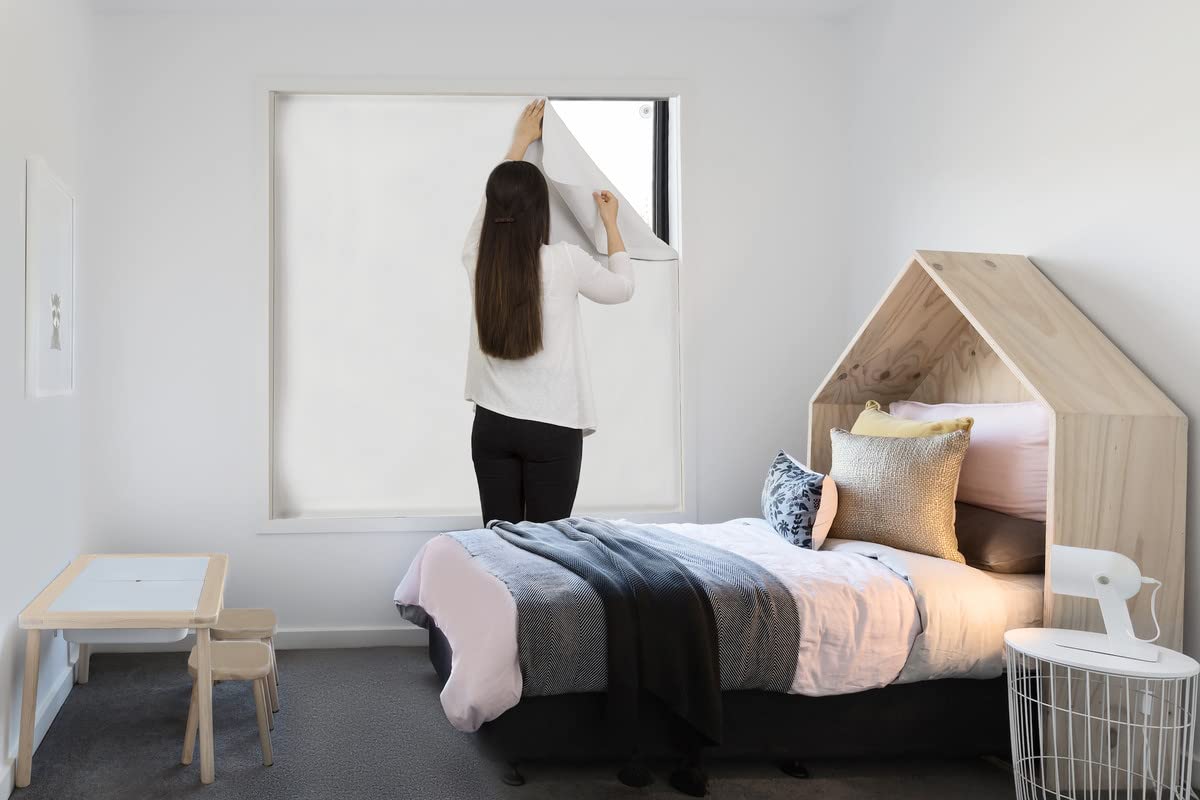
Hotel rooms rarely match the sleep conditions you get at home. Streetlights, hallway LEDs, and thin curtains can create a bright band across the bed, and that light often reaches your eyes even when you close the main drapes. Travel blackout blinds aim to block that spill light using a portable panel and a mounting method that fits common hotel window setups.
In practice, the “best” option depends on how the blind attaches and how the window is shaped. A suction-mounted panel may work on smooth glass but fail on textured or frosted surfaces. A tension-style blind may fit a narrow window frame but leave gaps if the frame is irregular. Magnetic systems can help on metal window frames, yet many hotel windows use plastic trim or painted surfaces that reduce magnetic hold. If you’ve ever woken up to a bright rectangle on the wall, the cause is usually a gap at the edges, not the fabric alone.
Main Problems And Pain Points
People often judge blackout blinds by how dark the fabric looks in a store, then get surprised by light leaks in a real room. Light can enter from the sides, from the top where the panel meets the wall, or from the bottom where the blind doesn’t sit flush. Even a high-coverage fabric can underperform when the mounting leaves a 5–10 mm gap along one edge.
Another common issue is window geometry. Many hotel windows have curved corners, recessed frames, or a sill that prevents a flat panel from sealing. Some rooms also have blinds that sit inside a track; adding a travel blind on top can create a small air channel that still lets light through. The supporting “technology” here is mechanical fit: the blind’s ability to press against the surface and maintain contact while you move around.
Cleaning and residue matter too. Suction cups lose grip on dusty glass, and some hotel rooms have a film from cleaning products. If you mount and remount repeatedly, the adhesive or suction can degrade. I’ve seen this with a generic suction kit where the cup seals looked fine, yet the panel slid after about 20 minutes—friction and surface moisture were the real variables, not the blind’s thickness.
Solutions And Advice
Choose By Mounting Type
Start with the mounting method that matches the room. Suction-mounted blinds work best on smooth, non-porous glass. Tension-mounted blinds work best when there is a stable frame or wall-to-wall distance that stays consistent. Magnetic blinds work only when there is a metal surface that holds a magnet with enough force to resist vibration from closing curtains.
For suction options, look for a design that includes multiple suction points rather than a single large cup. Multiple points distribute load and reduce the chance that one failed seal creates a light leak. For tension options, check the stated range and measure the window opening if you can. A blind rated for 60–90 cm may still fit a 58 cm opening, but the tension can become uneven and leave a corner gap.
For magnetic options, test the hold strength before you commit to the panel. A quick press-and-release test helps you avoid the “it stayed during setup” problem, which often turns into “it slowly droops” later. On one trip in 2024, I used a magnetic panel on a painted metal frame and noticed the magnets grabbed at first, then loosened after the surface warmed under the lamp.
Match Fabric To Your Goal
Blackout performance depends on fabric weave, thickness, and how the blind blocks light paths. Look for materials described as blackout or light-blocking, but treat marketing terms cautiously. A practical way to evaluate is to check whether the blind is designed to be light-tight at seams and edges, not just “dark” in appearance.
If your goal is sleep, prioritize edge sealing and a panel that stays flat. If your goal is privacy during daytime, you may tolerate slightly more light transmission as long as the room doesn’t become a silhouette. For work-at-night, you want strong reduction of blue-white light from street sources; that typically means a denser fabric and a mounting method that minimizes side leakage.
Some travel blinds include a reflective layer. That can reduce heat transfer, but it does not automatically improve darkness if the mounting leaves gaps. In a hotel room, the gap often dominates the result, so treat reflective layers as a secondary feature unless you also solve the fit.
Plan For Setup Time
Setup time affects whether you’ll actually use the blind. A blind that takes 10 minutes to align and reseal each edge may get skipped on busy travel days. Aim for a setup flow you can repeat quickly: clean the mounting surface, attach the panel, then check the edges with a phone flashlight from the side.
That flashlight check is simple and revealing. Shine a light along the top and sides while the blind is in place. If you see a bright line, adjust the panel or reposition the mounting points. I’ve used a small LED flashlight app on my phone (version 3.2.1, Android) to keep the beam narrow, because a wide beam can hide small leaks.
Pack a backup plan. If suction fails due to surface texture, bring a tension-style option or a clip-based accessory. If you only pack one type and it doesn’t fit the room, you lose the main benefit.
Use Realistic Expectations
Blackout blinds reduce light, but they rarely create a perfectly dark room unless the window area is fully sealed. Expect partial darkness with fewer bright hotspots rather than a cinema-level blackout. The biggest determinants are edge gaps, window recess depth, and whether the room has additional light sources like LEDs on the nightstand or under-door illumination.
Some hotels also have safety requirements for window coverings. If a room has a fire-safety mechanism or a window that must remain operable, avoid blocking access to emergency features. If you’re unsure, keep the blind removable and avoid covering vents or sensors.
Also consider condensation and humidity. In rooms with high humidity, suction cups can lose seal faster. If you notice the seal weakening, remove the blind and remount on a drier section of glass.
Case Examples
Scenario 1: Early-morning streetlight. A traveler books a hotel near a busy road. The room has a large window with a smooth glass pane and a thin curtain that leaves a bright band near the floor. They choose a suction-mounted blackout blind with multiple suction points. After mounting, they check the top edge with a phone flashlight and press down along the corners. The result is fewer direct light streaks across the bed, though a small glow remains near the nightstand because the room has a wall-mounted LED.
Scenario 2: Recessed window frame. Another traveler stays in a room where the window sits in a recessed frame with a narrow sill. Suction cups do not adhere well because the glass is partially frosted. They switch to a tension-style blind that spans the recess and uses side supports. During setup, they measure the opening range and avoid over-tensioning, which can warp the panel and create a corner gap. The room becomes noticeably darker, but the traveler still uses an eye mask because the door area has under-door light.
Comparison Table And Checklist
| Option | Best Window Surface | Common Failure Mode | Setup Time |
|---|---|---|---|
| Suction Panel | Smooth, non-porous glass | Edge gaps from weak seals | 5–10 minutes |
| Tension Panel | Stable frame or recess | Over-tension warps panel | 5–12 minutes |
| Magnetic Panel | Metal trim or frame | Droop as magnets loosen | 3–8 minutes |
| Clip-On Over Curtain | Existing curtain rod or fabric | Light leaks at rod ends | 5–15 minutes |
Quick checklist before you sleep:
- Wipe the mounting surface with a dry cloth if the glass looks dusty.
- Mount the blind, then check the top and both sides with a narrow flashlight beam.
- Look for a bright line along the edges; fix gaps before you adjust the room temperature.
- Confirm the blind does not block vents, smoke detectors, or any emergency access points.
- Pack a backup method if you travel to rooms with mixed window types.
Common Mistakes
Buying a blind that matches your home window size and assuming it will fit a hotel window is the most frequent mismatch. Hotels vary in frame depth and trim thickness, so the same panel can seal at home and leak in a recess. Measure the window opening range when possible, or choose a blind with adjustable mounting.
Another mistake is ignoring edge sealing. People focus on the center darkness and skip the flashlight check along the perimeter. A 1–2 cm gap can create a bright stripe that still wakes you, especially if you sleep on your side facing the window.
Remounting too often can also degrade performance. Suction cups lose seal after repeated removal, and tension panels can lose alignment if you keep changing the pressure. If you need to reposition, do it once, then re-check the edges.
Finally, some travelers cover the window but forget other light sources. A nightstand LED, a charging indicator, or under-door light can dominate the room brightness. You save time, reduce noise, and the inbox stops winning—then you still wake up because the door gap is bright. A small eye mask or a door draft stopper can solve that part without fighting the window.
FAQ
Do blackout blinds work on frosted glass?
Frosted glass often reduces suction grip and can prevent a tight seal. Tension-style panels or clip-on designs usually fit better, but edge gaps still require a flashlight check.
How dark should a travel blind make a room?
Most travel blinds reduce light strongly but rarely create full darkness if there are other light sources or edge leaks. Expect fewer bright hotspots rather than a perfectly black room.
Will suction cups damage hotel windows?
Most suction cups are designed for temporary use, yet they can leave residue on some surfaces. Use a dry cloth first, avoid repeated remounting, and remove the blind gently.
What size should I pack for different hotels?
Choose a blind with an adjustable mounting range or bring two sizes. If you can, measure the window opening width and recess depth before selecting a panel.
How do I stop light leaks at the edges?
Reposition the panel and press along the corners, then verify with a narrow flashlight beam from the side. If the room geometry prevents a seal, switch mounting types or use an eye mask for remaining spill light.
Author's Insight
Travel blackout blinds behave like a mechanical sealing problem more than a fabric-only problem. Edge gaps, surface texture, and window recess depth often determine the final darkness level. A flashlight perimeter check turns vague “it feels darker” impressions into a measurable setup step. When you choose between suction, tension, magnetic, and clip-on designs, match the mounting method to the room’s surfaces and frame geometry. If a blind fails in one hotel, the next room’s window type usually explains the difference, not the blind’s general quality.
Key Takeaways
- Edge sealing and mounting fit drive results more than fabric color alone.
- Match the mounting type to the hotel window surface: suction for smooth glass, tension for stable recesses, magnets for metal trim.
- Use a narrow flashlight check along the top and sides to find light leaks quickly.
- Plan for other light sources like LEDs and under-door glow, which a window blind cannot fix.
- Pack a backup mounting approach if you travel across many hotel brands and room layouts.