Long Stay Planning Checks
A long stay is usually a health-and-routine decision as much as a travel decision. When you live somewhere for weeks, small issues become daily friction: a noisy street affects sleep, a far pharmacy affects medication timing, and unclear cleaning rules affect hygiene. A careful booking review helps you avoid those slow-burn problems before you pay.
Start by treating the booking like a checklist of dependencies. Housing quality depends on utilities, water pressure, ventilation, and pest control. Health access depends on distance to a pharmacy, clinic hours, and whether you can get prescriptions refilled. Even internet quality can matter if you work remotely or need telehealth appointments, since many video visits fail when upload speeds are inconsistent.
For example, if you take medication that must be taken at fixed times, you need a plan for refills and backups. If you use a CPAP or other device, you need to confirm power reliability and whether you can source supplies locally. If you have mobility needs, you need to confirm elevator access and bathroom layout, not just “wheelchair friendly” language.
Common Booking Pain Points
People often focus on photos and ignore the operational details that shape daily life. A listing may show a bright kitchen, but it might omit whether the stove works reliably, whether cookware is included, or whether the building has hot water during peak hours. For long stays, those omissions can turn into repeated messages to the host, which rarely resolves quickly.
Another frequent issue is assuming “nearby” means walkable or reachable during your schedule. A pharmacy that is 1.5 km away can still be hard if it’s on steep streets, if it closes early, or if you need to travel by taxi at night. Clinic hours matter too; many outpatient services reduce hours on weekends, and some require registration before you can be seen.
Contracts and house rules also get overlooked. Cleaning fees, linen change frequency, and waste disposal rules can affect hygiene and comfort. Some properties charge for utilities in ways that are unclear, such as a fixed cap with extra charges later. I’ve seen listings where the “monthly” rate assumed a certain electricity usage, and the excess bill arrived after the first 30 days—annoying, and not always obvious from the description.
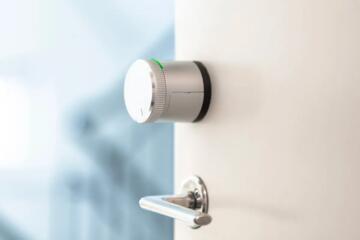
Supporting technologies can add hidden dependencies. If the property uses a smart lock, you need to confirm how access works if your phone battery dies or if you lose the app login. If the building uses shared laundry, you need to confirm whether machines accept coins, cards, or app payments, and whether they break often. If you plan telehealth, you need stable connectivity; many platforms require a working microphone and camera, and some require a minimum upload speed that varies by region.
What To Verify Before Paying
Housing, Utilities, and Hygiene
Verify the basics in writing: water heating method, typical hot water availability, ventilation, and pest control approach. Ask whether air conditioning is included and whether it works during the hottest months. For hygiene, confirm cleaning frequency for long stays, linen change intervals, and how trash is collected. If the listing mentions “weekly cleaning,” ask what “weekly” means in practice and whether it includes bathroom deep cleaning.
Request a short video walkthrough if the photos are old. A 30–60 second clip can reveal issues photos hide, like a bathroom fan that doesn’t spin or a window that won’t fully close. If you have allergies, ask about prior pest treatments and whether the unit is sprayed before your arrival; timing matters because some treatments leave residues for a short period.
For utilities, ask how electricity, gas, and water are billed. If the host uses a meter, ask for an example of a typical monthly bill for a similar stay length. If internet is included, ask for the provider and the plan tier; you can also test after arrival, but you want a baseline before you commit. I once checked a listing that claimed “fast Wi‑Fi,” and the provider name was missing; after arrival, the router model was listed as “AX1800,” which still left uncertainty about real upload speeds.
Healthcare Access and Prescriptions
Map healthcare access before booking. Identify the nearest pharmacy that can dispense your medication and check whether it accepts your prescription type. If you take prescription drugs, confirm whether you can bring a supply for the first weeks and whether you can refill locally. Many countries require prescriptions from local clinicians for refills, and some medications have restrictions or different brand names.
Check clinic hours and whether appointments are required. Look for urgent care options for after-hours needs, and note the location and phone number. If you rely on a device like a CPAP, confirm whether you can obtain replacement filters or tubing locally, or whether you need to order ahead. For travel medicine, keep your medication list and generic names; brand names vary by country.
If you use telehealth, confirm what documentation the provider needs. Some services request a recent medical record or a photo of the prescription label. Video visits can be affected by connectivity, so test your setup early and plan a backup method such as a phone call if the platform supports it.
Safety, Building Rules, and Access
Confirm building access details: elevator availability, step-free entry, and whether stairs are required to reach the unit. Ask about smoke alarms, fire extinguisher locations, and whether the building has a clear evacuation plan. For areas with heat or cold extremes, ask about insulation, window sealing, and whether heating or cooling is controlled by the host or by building management.
House rules should be specific enough to reduce surprises. Clarify guest policy, quiet hours, smoking rules, and whether you can receive deliveries. If you plan to cook regularly, ask whether the kitchen has a working exhaust fan and whether the stove is safe for daily use. If you need laundry access, confirm whether machines are in the unit or shared, and whether there are restrictions on hours.
For access, confirm check-in and check-out procedures. Smart locks can work well, but you should ask what happens if the app fails. A simple detail like whether the host can provide a backup code matters when you arrive late and your phone is offline.
Contract Terms, Refunds, and Costs
Read the cancellation policy and the payment schedule. Long stays often have different rules than short bookings, including stricter deadlines for refunds. Check whether you pay a deposit and whether it is refundable, and confirm what triggers deductions. If you expect to extend the stay, ask how extensions are priced and whether the same terms apply.
Clarify total costs before you book: cleaning fees, service fees, utility charges, and any mandatory deposits. Ask whether taxes are included and whether local tourist taxes apply to your stay length. Some jurisdictions charge a per-night fee that appears late in the checkout flow, and it can change your budget.
If you need to change dates, ask how date changes are handled. Some contracts treat date changes as a cancellation and rebooking, which can reduce refund eligibility. I’ve seen hosts respond quickly to date changes but still apply the “new booking” rate, which can be higher than the original monthly price.
Educational Case Examples
Scenario 1: Medication refills in a new country. A traveler planned a 10-week stay and relied on a prescription that required local refills. The listing showed a pharmacy “nearby,” but the traveler verified clinic hours and asked whether the pharmacy could dispense the medication with a foreign prescription. The host confirmed the nearest pharmacy’s hours and the traveler arranged a local appointment for the second month. The booking proceeded after the traveler confirmed generic names and brought a supply for the first weeks.
Scenario 2: Utilities and sleep disruption. Another traveler booked a month-long apartment in a busy area. The photos looked quiet, but the traveler asked about window insulation and whether the unit faced a street with late-night noise. The host provided a candid answer about street-facing noise and offered a unit on a higher floor. The traveler also confirmed air conditioning availability for sleep comfort during warm nights, reducing the chance of poor rest.
Decision Checklist and Table
Use this checklist to compare options and reduce surprises. If a host cannot answer a question in writing, treat that as a risk signal.
| Check Area | What To Ask | What Good Looks Like | Risk If Missing |
|---|---|---|---|
| Utilities | How electricity and heating are billed | Meter method or example monthly bill | Unexpected charges after arrival |
| Hot Water | Typical hot water availability | Clear answer about heating system | Daily routine disruption |
| Pharmacy Access | Nearest pharmacy hours and prescription rules | Specific hours and realistic refill plan | Medication gaps |
| Building Access | Elevator, stairs, and step-free entry | Clear access description | Mobility and safety issues |
| Cleaning and Linen | Cleaning frequency and what it includes | Defined intervals and scope | Hygiene problems |
| Cancellation | Refund deadlines and deposit terms | Clear policy and example scenarios | Loss of funds |
- Write down your non-negotiables: medication schedule, mobility needs, sleep requirements, and work connectivity.
- Ask the host for written answers on utilities, hot water, and cleaning intervals.
- Confirm healthcare access by locating a pharmacy and a clinic with hours that match your routine.
- Read the cancellation policy and total cost breakdown line by line.
- Plan a backup: a second pharmacy option and a contingency for device supplies.
Common Mistakes to Avoid
Booking only by price per night is a common mistake. Long stays often include fees that spread unevenly, such as a one-time cleaning fee or a utility cap that triggers extra charges later. Compare total cost for the full duration, not just the nightly rate.
Another error is assuming that “included” means unlimited. Internet plans can have data caps, and utilities can have caps or seasonal limits. If the listing does not state the billing method, ask for a clear explanation.
People also skip a written plan for emergencies. If you have a medical condition, note the local emergency number and the nearest urgent care location. Keep a paper copy of your medication list and allergies, since phone access can fail during travel.
Some travelers rely on reviews without checking dates. A unit can change management, and maintenance issues can be fixed or ignored. Look for recent mentions of water pressure, pests, noise, and heating or cooling performance.
Finally, avoid waiting until arrival to test critical services. If you need stable internet for work or telehealth, test it within the first day and document issues. A small aside: I’ve seen travelers lose time because they waited a week to report a router problem, and the host treated it as “normal” after that.
FAQ
What documents should I prepare?
Bring a medication list with generic names, dosages, and prescribing clinician contact details. Carry a copy of your passport and any relevant insurance documents, plus a short note of allergies and medical conditions.
How do I check if a pharmacy can refill my medication?
Identify the nearest pharmacy and ask about prescription requirements for refills, including whether foreign prescriptions are accepted. Confirm brand-to-generic availability and whether you can obtain the medication under its generic name.
What should I verify about utilities for a month?
Ask how electricity, heating, and hot water are billed, whether there are caps, and what typical monthly costs look like for similar usage. Clarify whether air conditioning is included and how it is controlled.
How can I assess noise and sleep risk?
Request details about window orientation, street-facing exposure, and quiet hours. If possible, check recent reviews for noise mentions and ask whether the unit has effective window sealing or blackout options.
What contract terms matter most for long stays?
Review cancellation deadlines, deposit refund conditions, and what triggers deductions. Confirm cleaning and linen intervals, extension pricing rules, and whether date changes count as a cancellation.
Author's Insight
Long-stay planning is a risk-management exercise: you’re reducing the chance that a housing or healthcare mismatch turns into a daily problem. The most reliable approach is to verify operational details in writing, then cross-check them with independent signals like recent reviews and local clinic hours. If you rely on medication, treat refill access as a primary dependency rather than an afterthought. When a listing lacks specifics, ask targeted questions and document responses; vague answers often correlate with delays when something goes wrong.
For reference, many telehealth services and local clinics require identification and sometimes a local prescription for ongoing care. Planning for that administrative step early reduces last-minute stress, especially when you arrive on a weekend.
Key Takeaways
- Verify utilities, hot water, cleaning, and access details in writing before paying.
- Map pharmacy and clinic access for your medication and routine, then plan refills for weeks 2–10.
- Read cancellation and deposit terms line by line, including utility billing caps.
- Document critical issues quickly after arrival, since delays can change how hosts respond.