Understanding Basic Economy
Basic Economy tickets offer the lowest upfront price on many major airlines like Delta, American, and United. For example, Delta’s Basic Economy fares can be up to 40% cheaper than Main Cabin tickets on the same route. However, this low price reflects fewer services and restrictions that impact the travel experience.
Typical exclusions include no advanced seat selection, limited or no carry-on bags, and no ticket changes. These limits create a stripped-down version of air travel, appealing mainly to price-sensitive flyers who prioritize cost over comfort or convenience.
Knowing what Basic Economy leaves out helps prevent surprises when you check in or board. I often see travelers buy these fares expecting the full service experience, but that’s rarely the case.
Small details matter. Airlines like United began introducing Basic Economy in 2012, but policies have shifted frequently, sometimes mid-year, which means travelers must read current terms carefully.
Common Pitfalls
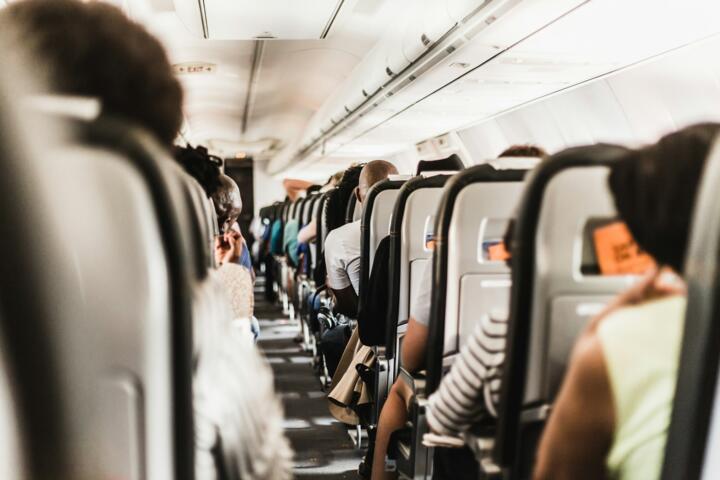
Many expect Basic Economy to be a simple discount, yet it impacts several parts of the journey. Most travelers don't realize these tickets forbid seat assignments before check-in, resulting in random seat allocation—often in the back.
This matters because passengers with families or specific seating preferences might end up separated or stuck next to unrelated travelers. Additionally, these fares often exclude carry-on bags larger than a personal item, forcing checked baggage fees, which erode any initial savings.
Another overlooked point: no changes or upgrades allowed. This rigidity becomes problematic if plans shift even slightly. Imagine booking a Basic Economy roundtrip for $300, then having to pay $200 to change a flight. Savings melt away instantly.
Boarding is usually last-group priority. That means overhead bin spaces fill up before you board, and your carry-on might need gate-checking — unpleasant for anyone with electronics or fragile items. Not to mention, basic economy travelers generally miss out on frequent flyer perks like upgrades and bonus miles accrual.
The consequences: more fees, discomfort, and inconvenience. Passengers sometimes end up paying double or triple beyond ticket cost if they don’t fully understand what’s excluded.
Manage Basic Economy Limits
Choose Carry-On Wisely
Limit luggage to a personal item under 18 x 14 x 8 inches. This looks like a small backpack or laptop bag. It avoids extra checked baggage fees, which often exceed $30 per bag each way.
Bag size enforcement is strict. For instance, American Airlines uses measuring boards during boarding and won’t hesitate to gate-check oversized items.
Select Seats After Check-In
Since advance seat selection isn't allowed, check in exactly 24 hours before departure to access open seats first. Using airline apps is faster than website check-in.
Try checking in as soon as the window opens. Being prompt can snag a better seat — aisle or bulkhead if you’re lucky.
Pack for Comfort
Expect a standard economy seat, often less legroom than Main Cabin. Bring your own neck pillow or noise-cancelling earplugs. These small comforts matter more when you suffer through less cushioned or cramped seats, which you can’t upgrade in Basic Economy.
Use Airline Credit Cards
Some branded credit cards offer baggage fee waivers or priority boarding that apply even on Basic Economy fares. For example, Delta’s Gold and Platinum SkyMiles cards waive first checked bag fees. This benefit keeps costs predictable.
Plan to Arrive Early
Basic Economy travelers board last, so arriving early at the gate helps claim overhead bin space for carry-ons. Arriving late guarantees your items will be gate-checked.
Double-Check Change Policies
Basic Economy rarely allows changes without a fee. Confirm your itinerary before booking. Flexible tickets may cost more upfront but save money in situations like delayed flights or personal emergencies.
Compare Alternatives
Always price out small upcharges for Main Cabin or Economy Plus seats. Some airlines have frequent flash sales where the difference is as little as $15–$30 more with significantly fewer restrictions.
Download Airline Apps
Apps can alert you to gate changes or status updates faster, which helps in tight connections or when boarding is delayed. Airlines constantly update app features; in my experience, United's app version 8.10 performs better for seat alerts than the web interface.
Consider Trusted Travel Agencies
Sometimes third-party sellers bundle Basic Economy fares with seat assignment add-ons or baggage options invisible on airline sites. Sites like Expedia or Kayak can offer clearer fare bundles.
Basic Economy in Action
A medium-sized startup booked a Basic Economy contract for 20 employees flying to a conference. They saved $2,500 upfront compared to Main Cabin tickets on Delta. However, some employees arrived with oversized carry-ons, triggering $35 fees each way and causing boarding stress due to last priority.
The company quickly realized savings were mostly illusory after unexpected charges and lost productivity in delays. On return flights, they upgraded employees to Main Cabin, paying 25% more but gaining reserved seating and earlier boarding. Satisfaction and punctuality improved noticeably.
Another example: a solo traveler purchased Basic Economy on United while booking a last-minute trip. The fare was $180, compared to $260 for Main Cabin. Without advanced seat selection, this traveler was assigned a middle seat near the back, and carry-on baggage had to be gate-checked. The trade-off was evident but tolerable given the overall savings.
Key Factors Checklist
| Feature | Basic Economy | Main Cabin | Costs Impact |
|---|---|---|---|
| Seat Selection | No pre-select | Yes | Potential discomfort |
| Carry-On Bags | 1 small bag only | 1+ standard bags | Extra fees common |
| Ticket Changes | No or fees apply | Often flexible | Risk of high fees |
| Boarding Order | Last groups | Earlier groups | Bin space risk |
| Mile Accrual | Lower rates | Full rates | Fewer rewards |
Mistakes to Avoid
First, do not assume carry-on luggage is included beyond personal items. Airlines enforce these rules more during peak seasons, making last-minute checked bag fees common.
Don’t buy Basic Economy for group travel unless you accept scattered seating and little flexibility. Many travelers wrongly expect the same experience as Main Cabin.
Avoid ignoring fare rules. Airlines frequently change policies; missing update emails from your carrier can lead to fines when you try to change or cancel tickets.
Last boarding often causes missed overhead space. Bringing a bulky carry-on on Basic Economy often backfires. Gate-check items instead or pack lighter.
Check the airline’s baggage fee schedules regularly. Some carriers now charge close to $50 per checked bag on Basic Economy for short domestic flights.
FAQ
Can I choose my seat in Basic Economy?
Usually no. Seat assignment happens randomly at check-in, about 24 hours before flight departure.
Does Basic Economy include any checked bags?
Most airlines exclude checked bags on Basic Economy or charge fees ranging from $30 to $50 per bag each way.
Are ticket changes allowed on Basic Economy?
Rarely. Changes either aren’t permitted or require paying a high fee, often almost the cost of a new ticket.
Is boarding earlier possible with Basic Economy?
Basic Economy passengers board last, so early boarding privileges rarely apply.
Can I upgrade from Basic Economy at the airport?
Upgrades from Basic Economy are limited and usually cost more than changing to a better fare class before the flight.
Author's Insight
In my decade of booking flights professionally, I’ve seen Basic Economy fares cause frustration more often than satisfaction—especially for group bookings. The gap between price and service is sometimes too wide. Calling airline agents before purchase helps clarify current rules that change often.
My advice: only buy Basic Economy when travel dates and bags are fixed. Otherwise, pay a bit more for flexibility. A $20 difference might save you hours and hundreds in fees down the road.
Summary
Basic Economy fares offer savings by stripping perks: no seat selection, stricter baggage limits, less flexibility, and last boarding. These omissions can add hidden costs or discomfort through fees and seat assignments.
Travelers should carefully read policies, pack light, check in promptly, and consider loyalty card benefits. In some cases, paying slightly more avoids the headaches.
Understanding what’s missing ensures smarter bookings and smoother trips. Simple prep makes the difference.